

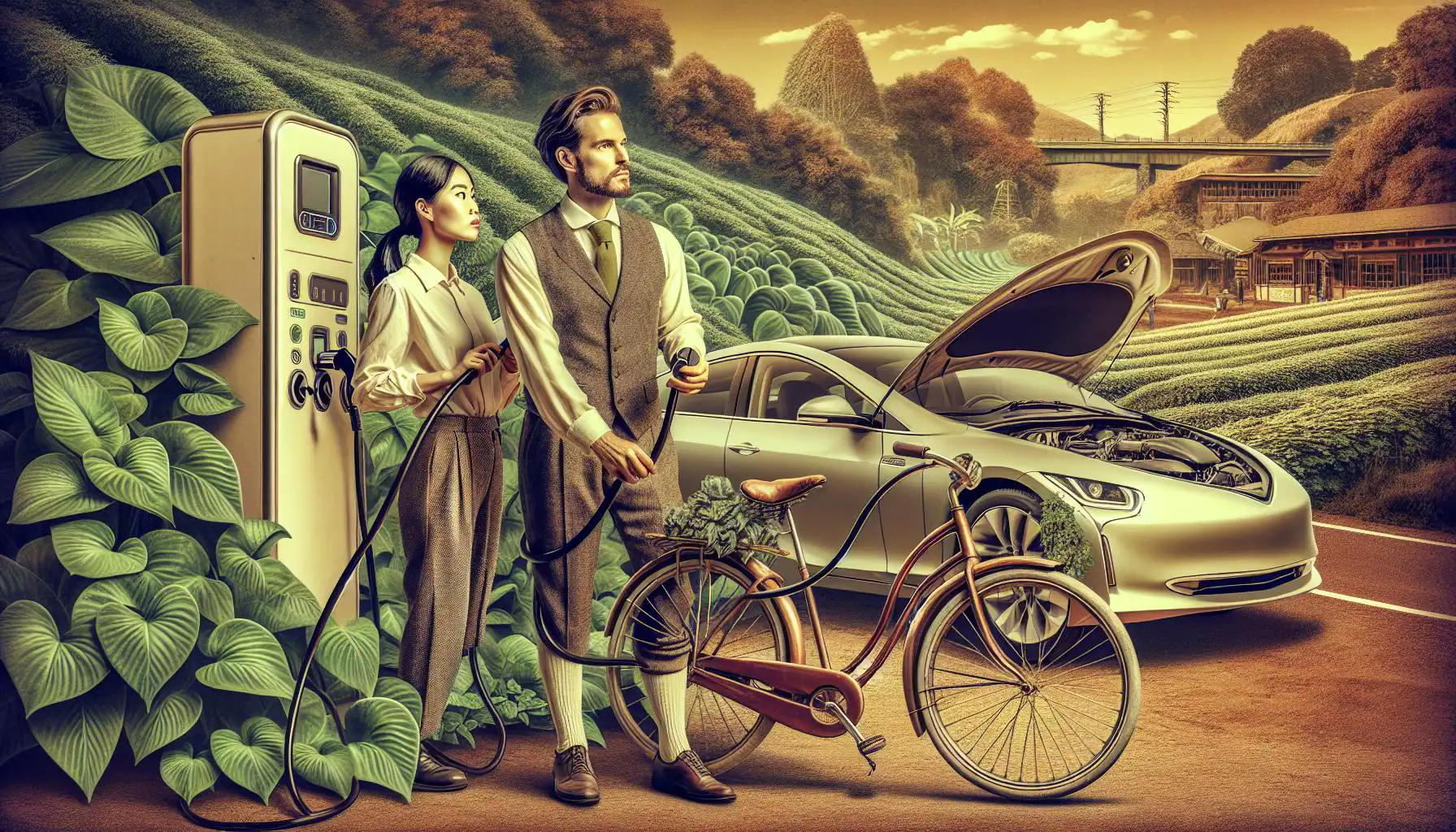
We all know it’s crucial to reduce our carbon footprint. But did you know that your driving habits can make a significant impact? That’s right, adopting eco-friendly driving practices isn’t just good for the environment; it’s also a great way to save money on fuel costs.
In this article, I’ll be sharing some easy-to-follow tips that can help you become a more eco-conscious driver. Whether you’re a daily commuter or an occasional road tripper, these strategies can make a real difference. So, let’s dive in and discover how you can hit the road without leaving a heavy carbon footprint behind.
Benefits of Eco-Friendly Driving
We’ve already established that eco-friendly driving has a huge positive impact on the environment we rely on every day. But it’s not just Mother Earth who benefits; there are also considerable perks that come to the driver practicing these habits – yes, that could be you!
Imagine a world where you stop at the gas station less often. Sounds enticing, doesn’t it? When you drive in a manner that maximizes fuel efficiency, you’ll find those visits to the pump become less and less frequent. It’s as simple as this – the less gas you burn, the less you have to buy. Over time, this can add up to significant savings on fuel expenses.
| Fuel Consumed (L/100km) | Average Cost per Year |
|---|---|
| 15 | $2000 |
| 10 | $1300 |
| 5 | $650 |
Beyond cash savings, eco-friendly driving habits can also lead to less wear and tear on your vehicle. Taking it easy on the pedals, maintaining a steady pace, and being conscious of how you handle your vehicle can result in fewer trips to the mechanic.
Any driver knows the inconvenience of unplanned repair or maintenance work. It’s time-consuming, unpredictable, and often costly. Driving with a soft foot and a respectful approach to your vehicle can help mitigate these issues, giving your car a longer, healthier life on the road.
There’s no escaping the impact our actions have on the world around us. From where we shop, to what we eat, to how we get around – it’s all connected. By adopting eco-friendly driving habits, you’re making a statement that you value the state of the environment and are playing your part in preserving it for future generations.
So, why not take advantage of these benefits that eco-friendly driving has to offer? In the next section, we’ll delve into the specifics of some easy-to-adopt techniques to help you become a more eco-conscious driver.
Choose Fuel-Efficient Vehicles
Fuel efficiency is a key factor when considering becoming an eco-conscious driver. The more fuel-efficient a vehicle is, the less gas it needs, which subsequently decreases the amount of harmful CO2 emissions released into the atmosphere. This does not mean one needs to rush out and purchase a new hybrid or electric vehicle. Existing vehicles can be tuned to maximize their fuel efficiency.
There are a variety of vehicles on the market that provide excellent fuel efficiency. These include hybrids, plug-in hybrids, and pure electric vehicles (EVs). Each has its own benefits in terms of eco-friendliness.
Hybrid cars combine a gasoline engine with an electric motor. They can switch between the two on their own or use both simultaneously to optimize power and fuel consumption. The electric motor is used at lower speeds, with the gasoline engine taking over at higher speeds.
Plug-in hybrids are similar to regular hybrids. However, they have a larger battery that can be recharged by plugging it into an outlet. This allows them to run in electric mode for even longer, leading to fewer emissions.
Electric vehicles (EVs), on the other hand, run entirely on electricity. They have zero tailpipe emissions and are considered the most eco-friendly option. Please be aware that the sources of electricity used to charge EVs can still contribute to greenhouse gas emissions. So, it’s important to source electricity from renewable resources when charging an EV for the maximum environmental benefit.
You don’t necessarily have to buy a new vehicle; upgrading or tuning your current vehicle is an economical option. Regular maintenance, timely oil changes, keeping tires properly inflated, and reducing extra weight can significantly enhance a vehicle’s fuel efficiency.
Whether you decide to invest in a hybrid, a plug-in hybrid, an EV, or simply upgrade your existing vehicle, each choice can contribute significantly to reducing your carbon footprint. There are many ways of achieving a positive impact on the environment, it’s all about adopting the most suitable eco-friendly driving habits for you.
Reduce Vehicle Emissions
Many of you might be wondering how exactly I can minimize vehicle emissions. This task seems daunting initially, but several effective methods can be adopted. On top of selecting fuel-efficient vehicles and charging with renewable electricity, two steps we’ve already covered, here are a few additional tips for keeping that carbon footprint down.
Regular Maintenance
First, vehicle maintenance is pivotal. Regular servicing ensures your car performs its best, reducing emissions and increasing fuel efficiency. Maintenance includes the timely change of spark plugs and air filters, rotating tires, checking fluid levels, and much more. According to recent studies, maintaining your vehicle regularly can help decrease emissions by as much as 30%.
| Aspect | Impact on Emissions |
|---|---|
| Regular servicing | Reduced by up to 30% |
Efficient Driving
Another crucial tip is to practice efficient driving. This method encompasses several driving techniques, such as:
- Avoiding rapid starts and stops
- Maintaining steady speeds
- Using cruise control on highways
- Keeping your load light
Studies have shown dramatic reductions in emissions by implementing efficient driving techniques.
Carpooling and Public Transport
Last but not least, carpooling and using public transport can greatly help cut down vehicle emissions. Even if it’s just once a week, ridesharing or taking the bus or train can really make a difference in minimizing greenhouse gases produced by individual cars.
We’ll delve into the benefits of each of these methods and more in our upcoming section on sustainable transportation choices. But before we go there, I want to discuss another important topic: offsetting your emissions.
Plan Efficient Routes
We’ve covered a lot in our quest for eco-friendly driving habits. Now, let’s delve deeper, literally mapping our journey towards a smaller carbon footprint.
One major way to do this is by planning efficient routes. It’s not rocket science; simply think ahead and be strategic about the journeys you need to make.
Ever heard of the term ‘clustering errands’? It’s a driving strategy that aims to reduce the distance you travel by grouping tasks or errands together. For example, if you need to grocery shop, drop off a package, and pick up your dry cleaning, it’s best to plan this route in one trip rather than separate ones.
Why is this efficient? It’s simple math.
Say the average American travels 15,000 miles per year. If you can reduce that by even 10% through effective route planning you’d save 1500 miles of extraneous driving.
Let me break that down into a table to make it clearer:
| Reducing Miles Driven by (%) | Miles Saved per Year |
|---|---|
| 5% | 750 |
| 10% | 1500 |
| 15% | 2250 |
Carpooling is another brilliant option to consider. Remember, every car off the road makes a difference. So why not make that school or office run more efficiently by adding a couple more passengers?
Next, let’s consider the timing of our excursions. Traffic can significantly impact our fuel efficiency. Constant stop-and-go traffic isn’t just annoying, it’s a fuel guzzler. Try adjusting your schedule to avoid peak traffic times whenever possible.
There’s an important step in planning your route that we must not forget: maintenance. Regular care will not only make your vehicle last longer, but it also ensures it’s running at its most efficient. By keeping your car in top shape, you’ll get the most miles per gallon, which means fewer trips to the gas station and less impact on our environment.
Lastly, I’ll highlight a modern solution: beta-testing GPS apps that provide eco-friendly routes. These apps excel at finding the most fuel-efficient route to your destination. Some even give you the carbon impact of your journey. More and more, technology is aiding us in our green endeavors.
Practice Fuel-Efficient Driving Techniques
The type of vehicle we drive isn’t the only factor that affects our carbon footprint. The way we drive also plays a significant role in determining our impact on the environment. Lowering gas consumption is the primary goal here and it’s surprisingly easy to do with some simple changes to our driving habits.
It all starts with your acceleration. Rapid acceleration and high speeds consume a lot of fuel, leading to higher emissions. So it’s important to accelerate gently and maintain a steady speed. Cruise control can be a helpful tool to maintain consistent speeds on the highway.
Idling is another situation we frequently encounter, and it wastes fuel and increases emissions. So, if you foresee a wait of more than a minute or two, it’s better to turn off your engine. This practice is even encouraged in many cities that have anti-idling bylaws to save on fuel consumption.
Braking can be another area of focus. It takes a good deal of energy to get a vehicle moving, and unfortunately, every time we brake, some of that energy is wasted. So, instead of hard braking, try to anticipate the traffic flow and adjusting your speed gradually. Practice coasting to a stop and see the difference it makes.
Here are some effective ways to conserve fuel:
- Driving at moderate speeds.
- Accelerating slowly and smoothly.
- Avoiding unnecessary idling.
- Anticipating the traffic and avoiding hard braking.
Lastly, don’t ignore those warning signals in your car. They alert you when it’s time for maintenance. Regular maintenance helps the car operate at peak efficiency, keeping your vehicle’s emissions in check.
By combining fuel-efficient driving habits with eco-friendly vehicle choices, maintenance, and smart route planning, we can really put a dent in our carbon footprint. Take these tips and implement them into your driving routine. You’ll find that not only are you doing your part for the environment, you’ll also save a decent chunk of money on gas.
Conclusion
So there you have it. Adopting eco-friendly driving habits isn’t just a statement about valuing our planet, it’s also a smart move for your wallet. By choosing fuel-efficient vehicles, tuning your current car for maximum efficiency, and sourcing electricity from renewable resources, you’re already on your way to reducing your carbon footprint.
Add in regular vehicle maintenance and efficient driving techniques, and you’ve got a winning formula for both the environment and your bank account. But don’t forget about the power of carpooling and public transport or the benefits of planning your routes to avoid unnecessary driving.
It’s these small changes that make a big difference. So why not start today? Combine fuel-efficient driving with eco-friendly vehicle choices, smart route planning, and regular maintenance, and you’ll not only save on gas, but you’ll also be doing your part for the environment. Now that’s what I call a win-win.
FAQs
What are the benefits of eco-friendly driving?
Eco-friendly driving offers significant benefits, such as reducing your carbon footprint, saving on fuel costs, and experiencing less wear and tear on your vehicle.
How can I make my existing vehicle more fuel-efficient?
You can enhance your vehicle’s fuel efficiency with regular tune-ups, preventive maintenance, and upgrading parts of your vehicle to better, more efficient models.
How does charging electric vehicles from renewable resources help?
When you charge your electric vehicles with renewable resources, such as wind or solar power, you further reduce your carbon footprint.
Are there other methods to reduce vehicle emissions?
Yes, regular maintenance, fuel-efficient driving techniques, and planning efficient routes can all contribute to reduced emissions. Using public transport or carpooling can also minimize greenhouse gas emissions.
What are some strategies for route planning?
To save fuel, you can cluster errands together, carpool, and avoid peak traffic hours. Using GPS apps that provide eco-friendly routes can also help.
How can fuel-efficient driving techniques help?
Practices such as gentle acceleration, maintaining a steady speed, avoiding idling, and coasting to a stop can improve fuel efficiency, thus benefiting both your wallet and the environment.
What are the benefits of regular vehicle maintenance?
Regular maintenance keeps your vehicle running efficiently, which lends to fuel savings, a healthier environment due to lower emissions, and a smoother, safer drive.
How can combining eco-friendly habits save me money?
By combining fuel-efficient driving, eco-friendly vehicle choices, regular maintenance, and efficient route planning, you can reduce your vehicle’s gas consumption, directly saving you money.