


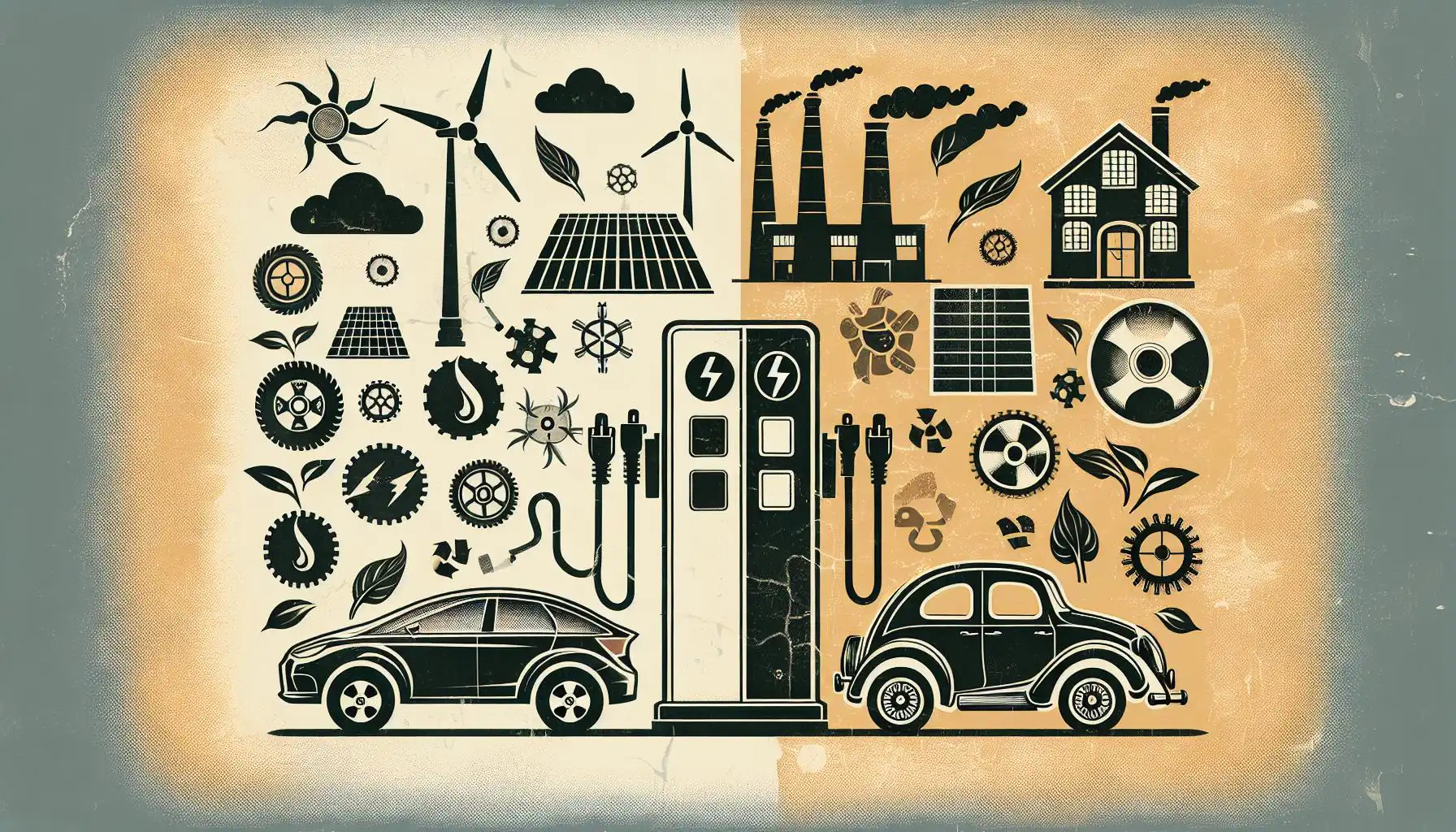
When it comes to the environment, we all want to do our part in reducing our carbon footprint. Electric vehicles have been hailed as a promising solution to combatting climate change and air pollution. But are they really better for the environment? In this article, I’ll delve into the facts and shed light on whether electric vehicles live up to their eco-friendly reputation. So, fasten your seatbelts and join me as we explore the environmental impact of electric vehicles and separate the myths from the realities. Let’s dive in!
Key Takeaways
- Traditional vehicles have a significant environmental impact, contributing to greenhouse gas emissions, air pollution, and oil dependence.
- Electric vehicles (EVs) utilize an electric motor powered by a rechargeable battery, producing zero direct emissions and requiring less maintenance compared to traditional vehicles.
- EVs offer advantages such as regenerative braking, sophisticated control systems, and the ability to charge through various methods.
- EVs have a clear advantage over traditional vehicles in reducing greenhouse gas emissions, producing zero tailpipe emissions, and offering a transition to renewable energy sources.
- EVs contribute to reducing air pollution by producing zero tailpipe emissions and having lower lifecycle emissions compared to traditional vehicles.
- The production of EVs does have an environmental impact, but it is often offset by the significant environmental benefits achieved during their operational phase. Efforts are being made to mitigate the production impact of EVs by utilizing sustainable sourcing, improving manufacturing processes, and optimizing supply chains.
The environmental impact of traditional vehicles
When evaluating the environmental impact of electric vehicles (EVs), it is essential to consider their comparison to traditional vehicles. The combustion process of traditional vehicles results in the release of harmful pollutants into the atmosphere, contributing to air pollution and climate change.
Here are a few key points to consider about the environmental impact of traditional vehicles:
- Greenhouse Gas Emissions: Traditional vehicles are a significant contributor to greenhouse gas (GHG) emissions, primarily carbon dioxide (CO2). As per the Environmental Protection Agency (EPA), transportation is responsible for approximately 29% of total GHG emissions in the United States. The burning of fossil fuels in traditional vehicles releases CO2, which contributes to global warming.
- Air Pollution: Traditional vehicles emit various pollutants, including nitrogen oxides (NOx), particulate matter (PM), and volatile organic compounds (VOCs). These emissions can have detrimental effects on both human health and the environment. According to the World Health Organization (WHO), air pollution from vehicles is a leading cause of respiratory diseases, cardiovascular problems, and premature deaths.
- Oil Dependence: The widespread use of traditional vehicles contributes to ongoing oil dependence. The extraction, refinement, and transportation of oil have significant environmental impacts, such as habitat destruction, water pollution, and oil spills. Reducing our dependence on oil by transitioning to EVs can help mitigate these environmental risks.
While traditional vehicles continue to dominate the market, their environmental impact cannot be overlooked. It is crucial to consider eco-friendly alternatives like electric vehicles to reduce GHG emissions, air pollution, and oil dependence.
How do electric vehicles work?
Electric vehicles (EVs) are becoming increasingly popular as a more environmentally friendly alternative to traditional vehicles. They work by utilizing an electric motor powered by a rechargeable battery instead of an internal combustion engine running on gasoline or diesel. In this section, I will explain the key components and workings of electric vehicles.
- Battery: The heart of an electric vehicle is its battery pack. These batteries use advanced technology, such as lithium-ion, to store and release a large amount of electrical energy. The size and capacity of the battery determine the range that an electric vehicle can travel on a single charge.
- Electric Motor: Unlike traditional vehicles, which rely on internal combustion engines, EVs use electric motors to generate power. These motors convert electrical energy from the battery into mechanical energy to propel the vehicle forward. Electric motors provide instant torque, delivering smooth and quick acceleration.
- Charging System: To charge an electric vehicle, you need a charging system. This can be done through a variety of methods, including home charging stations, public charging stations, or even using a standard electrical outlet. Charging times vary depending on the charging equipment and the capacity of the vehicle’s battery.
- Regenerative Braking: One unique feature of electric vehicles is regenerative braking. When you apply the brakes in an EV, the motor reverses its function to become a generator, converting the kinetic energy of the vehicle into electricity. This energy is then stored in the battery, extending the overall driving range of the vehicle.
- Control Systems: Electric vehicles feature sophisticated control systems that manage the flow of electrical energy between the battery, motor, and other components. These systems ensure the efficient use of energy, optimize performance, and provide important safety features.
Electric vehicles offer several advantages over traditional vehicles. They produce zero direct emissions, reducing air pollution and greenhouse gas emissions. EVs are also quieter and require less maintenance compared to combustion engine vehicles. Additionally, using electricity as a fuel source allows for greater energy diversity and independence from fossil fuels.
As the demand for more sustainable transportation options continues to grow, understanding how electric vehicles work is essential. By harnessing the power of electricity, electric vehicles are proving to be a promising solution for a greener and cleaner future.
Electric vehicles and greenhouse gas emissions
When it comes to reducing greenhouse gas emissions, electric vehicles (EVs) have a clear advantage over traditional combustion engine vehicles. As an environmentally conscious individual, I firmly believe that transitioning to EVs is a crucial step towards combating climate change and creating a sustainable future. Here’s why:
- Zero Tailpipe Emissions: Unlike traditional vehicles that burn fossil fuels, electric vehicles produce zero tailpipe emissions. This means that when I drive an EV, I am not contributing to air pollution, smog formation, or the release of harmful pollutants into the atmosphere. It’s an incredible feeling to know that I can travel without compromising the air quality for myself and future generations.
- Reduced Lifecycle Emissions: While it’s true that the production of electric vehicles does result in some greenhouse gas emissions, the reduced emissions during the operational phase more than offset those initial emissions. According to the Union of Concerned Scientists, an EV produces less than half the emissions over its lifecycle compared to a comparable gasoline car, even when accounting for the emissions from electricity generation.
- Transition to Renewable Energy: As the world continues to shift towards renewable energy sources, the environmental benefits of electric vehicles will only increase. By powering my EV with electricity generated from clean, renewable sources like solar or wind, I can significantly reduce my carbon footprint and contribute to a greener energy grid.
- Incentives for EV Adoption: Many governments and organizations are actively promoting the adoption of electric vehicles by offering incentives such as tax credits, rebates, and grants. These incentives not only make EVs more affordable but also encourage individuals like myself to make the switch, further accelerating the transition towards a low-carbon transportation system.
Given these compelling advantages, it’s evident that electric vehicles play a crucial role in reducing greenhouse gas emissions and tackling climate change. As an environmentally responsible individual, I wholeheartedly support the widespread adoption of electric vehicles for a cleaner and greener future. Let’s embrace this technology and drive towards a sustainable tomorrow.
Electric vehicles and air pollution
When it comes to air pollution, electric vehicles (EVs) are undoubtedly the better choice compared to traditional vehicles. Let’s take a closer look at how EVs contribute to reducing air pollution and improving air quality.
Zero Tailpipe Emissions: One of the major advantages of electric vehicles is that they produce zero tailpipe emissions. Unlike traditional vehicles that burn fossil fuels and release harmful pollutants into the atmosphere, EVs run on electricity, which generates power without any exhaust emissions. By eliminating tailpipe emissions, EVs help to reduce air pollution in our cities and improve the quality of the air we breathe.
Reduced Lifecycle Emissions: While it’s important to consider tailpipe emissions, it’s also crucial to look at the bigger picture. When evaluating the environmental impact of a vehicle, we need to consider the emissions generated throughout its entire lifecycle, including production, fuel extraction or electricity generation, and disposal. Studies have shown that even when factoring in the manufacturing process and electricity generation from fossil fuels, EVs still have lower lifecycle emissions compared to traditional vehicles. With advancements in renewable energy sources, the lifecycle emissions of EVs are expected to decrease even further.
Transition to Renewable Energy: Another key advantage of electric vehicles is their potential to be powered by renewable energy sources. As we shift towards a greener and more sustainable future, the growing adoption of EVs presents an opportunity to transition our transportation sector away from fossil fuels to cleaner energy sources. By charging our EVs with electricity generated from renewable sources such as solar or wind, we can further reduce greenhouse gas emissions and contribute to the fight against climate change.
Electric vehicles offer a promising solution to tackle air pollution and reduce our carbon footprint. With zero tailpipe emissions, lower lifecycle emissions, and the ability to transition to renewable energy sources, EVs have the potential to significantly improve air quality and contribute to a healthier environment. It’s clear that electric vehicles are a greener choice and a step towards a more sustainable future.
The impact of electric vehicle production
When considering the environmental impact of electric vehicles (EVs), it’s important to look beyond their use and also consider their production. While EVs offer significant benefits in terms of reducing emissions and improving air quality during their operation, the production phase does have some environmental implications.
- Raw Materials: Electric vehicles require specific raw materials for their batteries, such as lithium, cobalt, and nickel. The extraction and processing of these materials can have environmental consequences, including habitat destruction, water pollution, and carbon emissions.
- Energy Intensity: The production of electric vehicles requires a substantial amount of energy, particularly for battery manufacturing. This energy often comes from non-renewable sources, which can contribute to greenhouse gas emissions and further contribute to climate change.
- Supply Chain: The supply chain of electric vehicles involves various components sourced from different regions globally. This transportation of materials and components adds to the carbon footprint of electric vehicle production, especially if long-distance shipping is involved.
However, it’s important to note that the environmental impact of EV production is often offset by the significant environmental benefits achieved during their operational phase. The reduced greenhouse gas emissions and air pollution associated with electric vehicles outweigh their production impact over their lifetime.
Furthermore, efforts are being made to mitigate the environmental impact of electric vehicle production. This includes utilizing more sustainable and ethical sourcing of raw materials, improving manufacturing processes to reduce energy consumption and emissions, and optimizing supply chains to minimize carbon emissions from transportation.
Overall, while the production of electric vehicles does have an environmental impact, it is essential to consider the full lifecycle and long-term benefits they offer. By transitioning to electric vehicles, we can significantly reduce greenhouse gas emissions, improve air quality, and move toward a more sustainable future.
Conclusion
Electric vehicles (EVs) offer a greener and more sustainable alternative to traditional vehicles. By eliminating direct emissions, reducing greenhouse gas emissions, and transitioning to renewable energy sources, EVs play a crucial role in mitigating climate change and improving air quality. Despite the environmental impact of their production, the benefits achieved during the operational phase of EVs outweigh their production impact over their lifetime. Efforts are being made to further reduce the environmental footprint of EV production through sustainable sourcing, improved manufacturing processes, and optimized supply chains.
As governments and organizations continue to incentivize the adoption of EVs, it is clear that transitioning to electric vehicles is a step towards a cleaner and greener future. By choosing EVs, we can significantly reduce greenhouse gas emissions, improve air quality, and work towards a more sustainable future for generations to come. It is time to embrace the power of electric vehicles and drive towards a cleaner and more sustainable world.
Frequently Asked Questions
Q: What is the environmental impact of traditional vehicles versus electric vehicles (EVs)?
A: Traditional vehicles release harmful pollutants and greenhouse gases, contributing to air pollution and climate change. This has a significant impact on our environment compared to the zero direct emissions of EVs.
Q: How do electric vehicles work?
A: Electric vehicles use a battery to power an electric motor, instead of a combustion engine. They have a charging system to recharge the battery and often employ regenerative braking to recover energy. Electric vehicles also have control systems that manage the flow of electricity to the motor.
Q: What are the advantages of electric vehicles?
A: Electric vehicles offer several advantages, including zero direct emissions, reduced air pollution and greenhouse gas emissions, quieter operation, and less maintenance compared to traditional vehicles.
Q: Do electric vehicles reduce greenhouse gas emissions?
A: Yes, electric vehicles significantly reduce greenhouse gas emissions. They have zero tailpipe emissions and, even when accounting for their production impact, electric vehicles have lower lifecycle emissions compared to traditional vehicles. Electric vehicles can also transition to renewable energy sources for charging, reducing their carbon footprint further.
Q: Are there any incentives for purchasing electric vehicles?
A: Governments and organizations offer various incentives to promote the adoption of electric vehicles. These incentives can include tax credits, rebates, free parking, access to carpool lanes, and reduced electricity rates for charging.
Q: What about the environmental impact of electric vehicle production?
A: Electric vehicle production has some environmental impact due to factors such as raw material extraction, energy intensity, and the carbon footprint of the supply chain. However, the environmental benefits achieved during the operational phase of electric vehicles outweigh their production impact over their lifetime. Efforts are being made to mitigate the production impact through sustainable sourcing, improved manufacturing processes, and optimized supply chains.
Q: How can transitioning to electric vehicles help the environment?
A: Transitioning to electric vehicles can significantly reduce greenhouse gas emissions, improve air quality by reducing air pollution, and move us towards a more sustainable future. Electric vehicles offer a greener choice with their zero tailpipe emissions, lower lifecycle emissions, and the potential to use renewable energy sources for charging.