


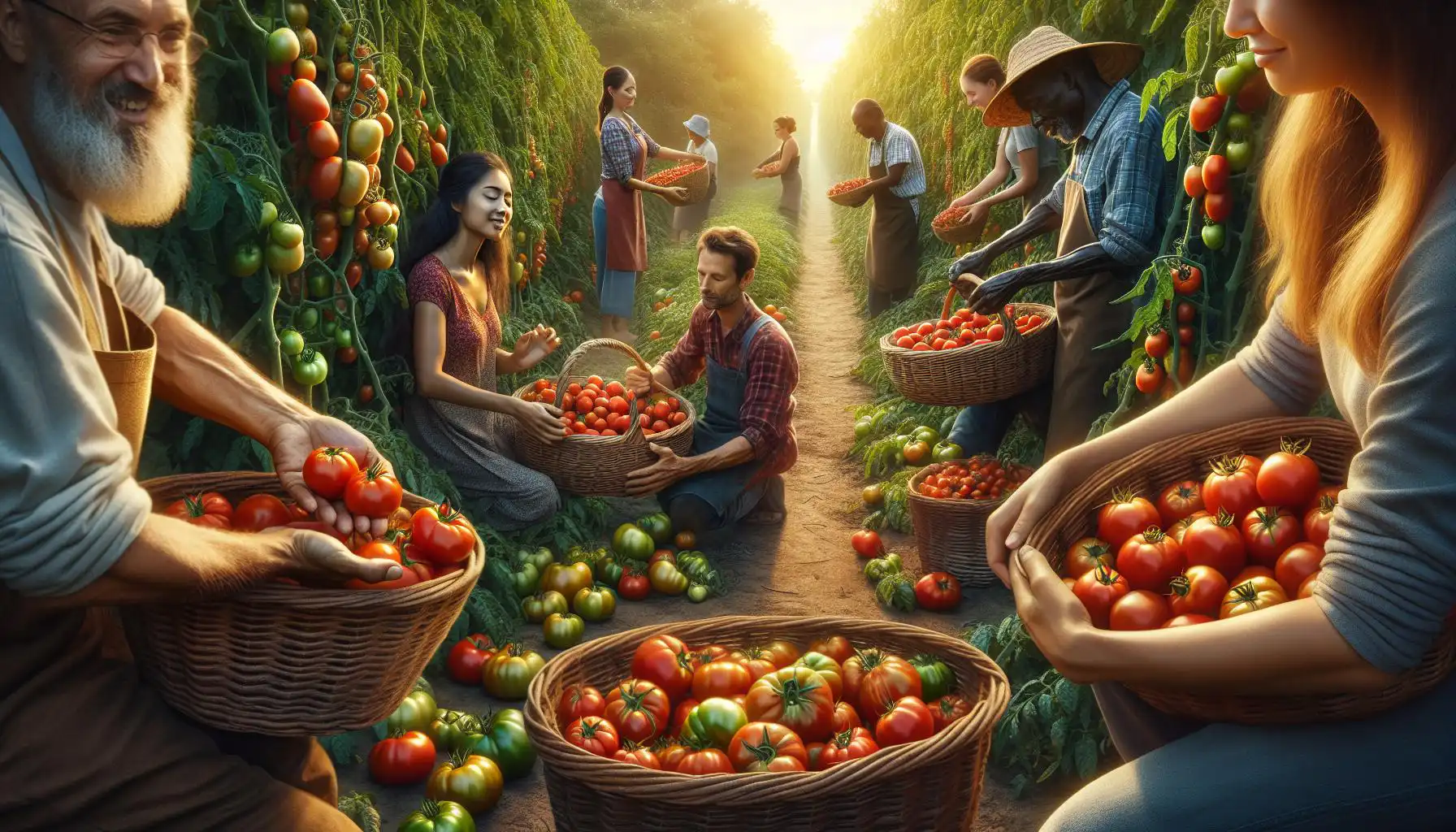
If you’re dreaming of turning a love for fresh, juicy tomatoes into a profitable business, you’re in the right place. I’ve been there, and I’m here to guide you through the process. Starting a tomato farming business isn’t as daunting as it sounds, and the rewards can be plentiful.
In my experience, the key to a successful tomato farm lies in careful planning, the right location, and a deep understanding of the crop. Whether you’re planning to start a small-scale operation or go big, these principles remain the same.
Researching the Market
As we dive deeper into the world of tomato farming, it’s important to look beyond the farm’s boundaries. Next on our list is Researching the Market. We can’t overemphasize how crucial this step is in setting up a prosperous tomato farming business.
Analyzing Market Trends
In the business of farming, recognizing and staying ahead of market trends can set you apart from the competition. For our tomato enterprise, we need to keep an eye out for various factors that can directly influence our success. Let’s delve into what they could be.
- Seasonality: It’s a known fact that tomato demand fluctuates throughout the year. To optimize profit, understanding these seasonal trends will help you map out your planting and harvesting schedule effectively.
- Consumer Preferences: Today, more consumers are favoring organic and locally grown produce. If this trend is strong in your region, it could point to a profitable niche for your tomato farm.
- Pricing Trends: Keeping a tab on the highs and lows in tomato prices will aid you in choosing when to sell and when to store. Utilize resources like local market data and agricultural news updates.
Identifying Target Customers
Deciding who you are farming for is equally as important as deciding what you are farming. Let’s take a closer look at potential target consumers for your tomato farming business:
- Supermarkets and Grocery Stores: These are some of the biggest buyers of fresh produce, and your tomatoes could be a great fit. Forming a good relationship with these businesses could guarantee you a steady income stream.
- Restaurants and Hotels: Many establishments prefer to buy local, fresh tomatoes. Your farm could be their source, potentially leading to a mutually beneficial partnership.
- Farmers Markets: Engaging in farmers markets not only allows you to sell your produce directly to the consumers but also gives you firsthand feedback on your tomatoes.
- Wholesale Distributors: These businesses buy in large quantities and can be an effective way to move stock if you have an abundant harvest.
Getting to know your target market is a key step in building a robust business strategy. It helps narrow down and prioritize your farm’s goals. At the end of the day, the more you know about the market and your consumers, the better position you are in to satisfy their needs and turn a handsome profit.
Planning Your Tomato Farm
Now that we understand the importance of researching the market, identifying target customers, and analyzing market trends, it’s time to get into the actual planning of your tomato farm. In this section, we’ll touch on location and scale—two paramount considerations in setting up your farm.
Choosing the Right Location
The first key consideration when planning your tomato farm is choosing the right location. Tomatoes thrive in areas receiving 6-8 hours of sunlight each day. A well-drained, creekside location would be great, given tomatoes’ high water demand. Soil type is another crucial factor – fertile, well-aerated, and pH balanced soils (6.0-6.8) are perfect for tomato farming.
Here’s a quick reference table:
| Ideal Conditions for Tomato Farming |
|---|
| 6-8 hours sunlight/day |
| Well-drained location |
| Fertile, well-aerated soils |
| pH balanced (6.0-6.8) soils |
Remember to choose a location with reasonable proximity to your target markets to limit transport cost implications. Lastly, consider the availability of labor in the area. Tomato farming can be quite labor-intensive, especially around harvest time.
Deciding on the Scale of Your Farm
The second facet we’ll delve into is deciding on the scale of your farm. Start by asking yourself, how much can I realistically manage? You don’t want your ambition to lead you into a situation where you’re overwhelmed. If you’re new to farming, it might be wise to start small and scale up as you grow more accustomed to the business.
Your budget plays a massive role here. Factor in costs such as land acquisition (if you don’t already own some), farming equipment, seeds and fertilizers, irrigation, and labor amongst others. Think about the potential market demand. Supermarkets and restaurants require steady supplies throughout the year, while farmers’ markets and consumers at farm stands might be perfectly happy with seasonal availability.
Choosing the scale of your farm also involves deciding on the farming method to adopt. You could consider traditional field farming, or venture into more controlled environments like greenhouse farming. Remember, larger farms demand more resource allocation in terms of time, money, and labor.
Planning your tomato farm effectively involves meticulous attention to these details. By getting the location right and determining an appropriate scale for your farm, you’re already halfway there to setting up a successful tomato farming business. Keep following for more insights on how to get the rest of the process right. The next part will focus on choosing the right tomato varieties for your farm and the best farming practices to ensure a bountiful harvest.
Obtaining Necessary Resources
Now that we’ve covered the planning basics, let’s get down to the nitty-gritty: acquiring the necessary resources. These include tomato seeds or seedlings, and farming equipment. Here we’ll discuss the specifics of these essential requirements and how to get them.
Acquiring Seeds and Seedlings
Tomato farming begins with the right seeds or seedlings. The variety you choose to plant can make or break your farming venture, as this determines the quality, yield and disease-resistance of your crops. You’ll want to opt for seeds or seedlings that are suited to your specific growing conditions.
You can buy seeds or seedlings from local agriculture stores or online platforms. Be sure to verify their quality before purchasing. If possible, seek advice from experienced farmers or agriculture extension officers.
Here’s a tip: Start with a small batch of seeds for testing, and gradually increase the quantity based on initial outcomes.
Procuring Farming Equipment
Next on the list is acquiring farming equipment. The equipment you need would depend on the scale of your farm and your chosen farming method. A small traditional field farm may only require basic tools like spades, hoes, watering cans, and containers for seedlings.
However, larger operations or advanced greenhouse farming might need more sophisticated equipment like tractors, mechanized seed drills, automatic watering systems, grinders, and more.
My advise is to strike a balance. Invest in high-quality, durable equipment that will save you labor and improve efficiency, without going overboard on expensive machines you don’t really need.
Moving forward, we’ll cover how to use these resources strategically for efficient farming operations and a rewarding harvest. Stay tuned.
Cultivating Tomatoes
Transitioning from acquiring resources to the actual ground work of the tomato farming business is a crucial phase. It’s here that you’ll start interacting directly with soil and seedlings. Apply the concepts you’ve picked up about suitable farming methods and scale of operation. I’ll provide some tips on getting started with tomato cultivation.
Preparing the Soil
A leading factor in the prosperity of your tomato farm is the quality of the soil you plant in. It’s a vital resource that must be properly managed and maintained. Begin with soil testing to determine the current nutrient content and pH level. It’s a good idea to test multiple locations if you’re planning on using a sizeable farming area. Use a quality soil test kit that provides comprehensive results for the best understanding of your starting point. Soil content forms the foundation for your future farming strategies.
The necessary balance in soil for tomatoes involves high organic matter content, ample drainage, and a slightly acidic PH (6.0-6.8). Good quality compost mixed with your existing soil helps achieve this balance. Depending upon the test results, consider adding lime to increase the pH or sulfur to lower it. The process of adjusting your soil’s composition is vital, don’t overlook this critical step!
Planting and Caring for Seedlings
Once the soil is prepared, you’re ready for planting.
Whether you bought seedlings or are transplanting your own grown from seeds, harden them off about 7-10 days before transplanting. Hardening off means adjusting seedlings to outside conditions bit by bit rather than a sudden move that might shock them.
Plant deep! Roughly, two-thirds of the tomato plant’s stem should be underground. Why is that so? Because tomato stems develop roots all along their length, giving your plants a better chance at growing stout and sturdy. It’s also crucial to space your plants well, allowing for proper air circulation and easier management in your tomato farming efforts. A guideline is to plant tomatoes 36-48 inches apart in a row with the rows spaced 48-60 inches apart.
Caring for your plants is a daily task that requires vigilance and commitment. Regular watering and proper nutrients ensure healthy growth and a bountiful yield. Remember – excessive water can be as harmful as too little! Try using a rule of thumb, ie., about 1-1.5 inches of water per week, including rainfall.
Preventing unwanted diseases and pests infiltrating your crop is equally important. Using insect netting or organic pest repellents can significantly reduce this risk.
Managing Pests and Diseases
When it comes to maintaining a thriving tomato crop, pests and diseases are some of the most notorious obstacles we’ll encounter. However, with the right strategies, these issues can become manageable aspects of everyday care.
Identifying Common Pests
Every tomato farmer needs to know the usual suspects in their field. Several pesky creatures love to munch on our tomatoes and their leaves. The most common culprits include:
- Tomato Hornworms: These large, green caterpillars blend right into the tomato foliage. They’re problematic because they can strip plants of their leaves and chew holes in the fruit.
- Aphids: These small, pear-shaped bugs can be hard to spot. They suck the sap from tomato plants, causing curled and yellowed leaves, and potentially transmitting diseases.
- Whiteflies: Similar to aphids, these small, white insects feed on the undersides of leaves and can spread disease. They’re identified by a cloud of tiny white bugs flying up when the plant is disturbed.
Implementing Pest Control Measures
After identifying the type of pest infesting our tomatoes, it’s crucial to take proper action. Here’s what we can do:
- Organic control: There are several ways to deter pests naturally. For example, attract natural predators to your garden, like birds and ladybugs, who feed on aphids and other small pests. Planting garlic and marigolds has also been known to repel unwanted insects.
- Chemical control: In severe infestations, it may be necessary to resort to chemical pesticides. However, it’s recommended to use these sparingly due to their environmental impact. Always follow the label instructions for the safest and most effective use.
- Physical control: This can mean hand-picking pests off plants or using barriers and traps. For instance, a collar of aluminum foil around the base of the plant can deter cutworms, and sticky traps can catch whiteflies.
In the battle against pests and diseases, vigilance is our best weapon. Regularly check the plants, understand what’s normal and what’s not, and take the necessary steps at the right time to ensure a successful tomato harvest. As we move forward, let’s take a step deeper and learn how to harvest and store our tomatoes.
Harvesting and Selling
After steering your tomato plants through the challenge of pests and diseases, it’s time to break out the bucket and bring in the harvest. In this section, I’ll cover the ins and outs of harvesting your tomatoes and finding the best marketplaces to sell your bounty. Let’s dive in!
Knowing When to Harvest
If there’s one thing I’ve learned in all my years of tomato farming, it’s that timing is everything when it comes to harvesting. Whether you’re growing slicing tomatoes, cherries or heirlooms, you’ve got to know when your tomatoes are at their ripest.
Color is the most obvious indicator. Ripe tomatoes should have a deep, even color. In general, red varieties should be bright red, yellow varieties should be golden, and green varieties should have just a hint of yellow.
It’s not just about color though. You should also consider the firmness of the tomato. They should feel firm but give slightly under pressure. If your tomatoes are too soft, they’re likely overripe.
Don’t be afraid to experiment with your tomatoes as they ripen, this will give you a better sense of when they are at their best. Remember – the ripest tomatoes pack the most flavor.
Finding Markets for Your Tomatoes
Once you’ve harvested your tomatoes, it’s time to find a place to sell them. There are plenty of options, from farmers’ markets and fruit stands, to grocery stores, restaurants, and even online marketplaces.
In my experience, farmers’ markets are a great place to start. They allow you to showcase your product directly to consumers who appreciate locally-grown produce. You’ll be able to talk about your farming practices, the unique varieties you grow, and why your tomatoes stand out from the rest.
Grocery stores and restaurants can also be lucrative outlets for your tomatoes. They rely on the consistent supply of quality produce and could be a steady income for your farming business.
The growing popularity of online marketplaces can’t be ignored. Online delivery services and direct-to-consumer food platforms are becoming more common, offering opportunities to reach customers who might not visit traditional markets.
Lastly, remember to listen to what the market demands. If there’s a popular tomato variety that’s not available in your area, consider growing it next season. The ability to adapt to the market preferences will keep your tomato business thriving.
Our next chapter will cover how to keep your tomato farming sustainable, from reducing waste to choosing organic practices.
Frequently Asked Questions
What is the primary focus of the article?
The main focus of this article is to guide on the process of harvesting ripe tomatoes correctly and various market options available for selling them. It emphasizes on the importance of timing and adapting to market demands.
Why is timing crucial in harvesting tomatoes?
The article stresses that timing is essential in harvesting tomatoes as the ripe ones need to be picked based on their color and firmness. This ensures maximum yield and quality of the produce.
What are the market options for selling tomatoes?
Several market options for selling tomatoes include farmers’ markets, grocery stores, restaurants, and online platforms. It’s crucial to adapt to these market demands for a successful tomato farming business.
What will be the next focus of the article series?
The next article will focus on sustainability practices in tomato farming, discussing how to maintain these practices without compromising yield and quality.