


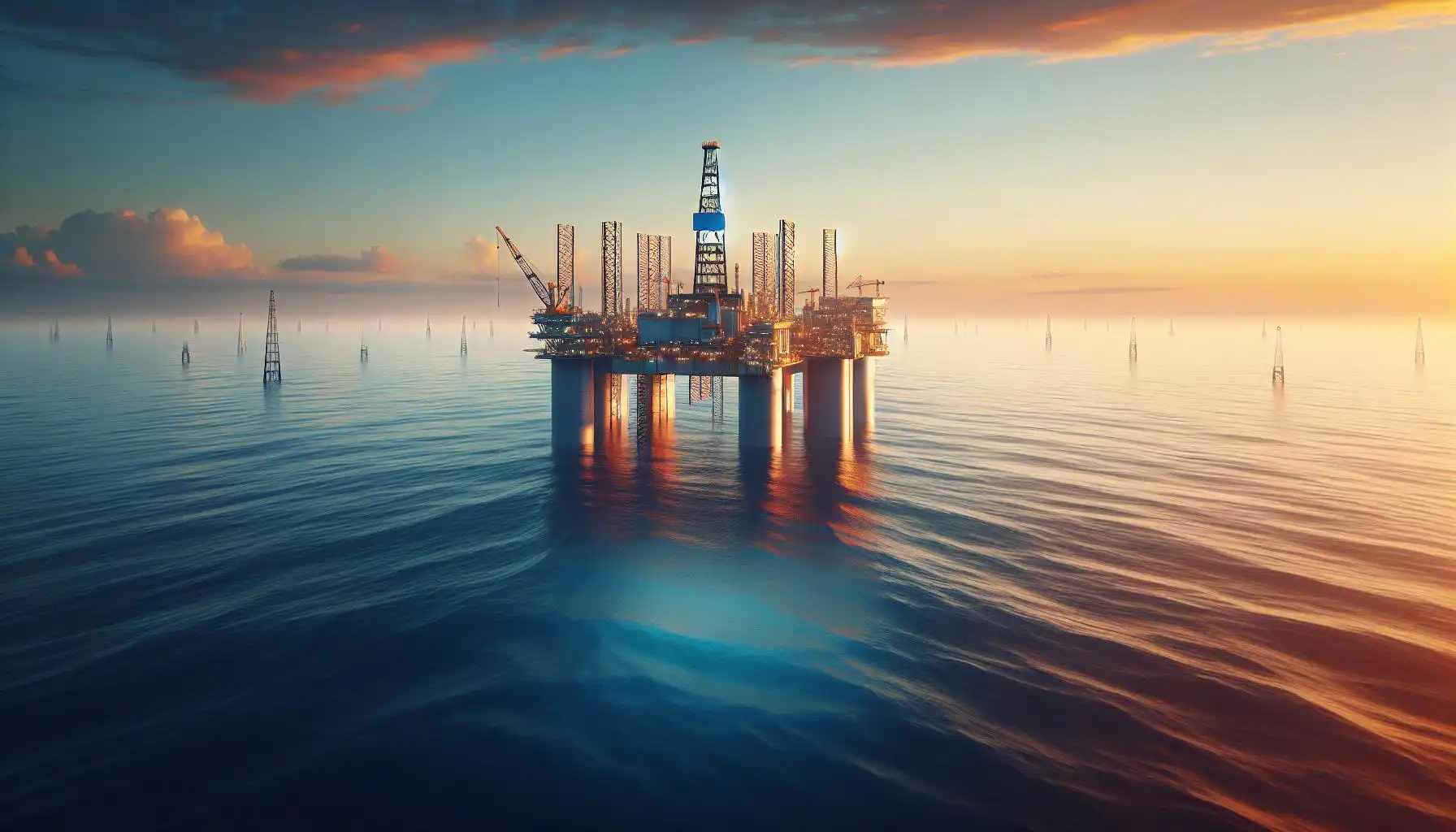
As an experienced industry insider, I’ve spent years observing the dynamic landscape of Nigeria’s oil and gas sector. It’s a vibrant market, teeming with both multinational giants and promising local players. This article aims to shine a light on the top oil and gas companies making waves in Nigeria.
These companies aren’t just leading the pack in terms of production; they’re also at the forefront of innovation, sustainability, and community engagement. Whether you’re an investor, a job seeker, or simply a curious reader, you’ll find this list both informative and insightful. So let’s dive in and explore the movers and shakers of Nigeria’s oil and gas industry.
Overview of Oil and Gas Industry in Nigeria
As I delve deeper into Nigeria’s vibrant oil and gas sector, it’s crucial that we take a broader view before moving on to the meat of our discussion: the top companies leading the way.
The heartbeat of Nigeria’s economy, the oil and gas industry plays a pivotal role in shaping the nation’s growth and development. With vast reserves of crude oil and natural gas, Nigeria ranks as Africa’s largest oil producer and the 12th largest in the world.
Now imagine the enormity of operations and the diverse palette of companies involved to make this happen. From global powerhouses to emerging local entities, there’s no shortage of key players maneuvering Nigeria’s oil and gas landscape.
| Rank | Rating |
|---|---|
| Africa’s Largest Producer | 1st |
| World’s Largest Producer | 12th |
The industry’s immense potential has attracted substantial foreign and local investment, leading to a fascinating dichotomy. On one hand, we see international oil giants like Shell and Chevron. On the other hand, Nigeria’s diaspora is returning to create a bunch of thriving local entities.
Their collective activities traverse the entire value chain – exploration, production, refining, and distribution. Additionally, they’re working on pioneering advances in technology, sustainability practices, and community partnerships.
We should also recognize the sector’s pitfalls and challenges. Fluctuating market prices, regulatory uncertainty, and local community issues are a trifecta that frequently disrupts the industry’s smooth sailing.
The intricate dance between the potential and challenges of Nigeria’s oil and gas industry shapes the way major players operate. It sets the stage for strategies, policies, and actions. It’s a complex, captivating tableau that I’ll be outlining in the sections ahead.
As we pivot to our spotlight features – the top oil and gas companies in Nigeria – remember this backdrop. It’ll help paint a clearer picture of their roles, impact, and influences on this dynamic stage.
Top Oil and Gas Companies in Nigeria
Let’s take a close look at some of the leading oil and gas entities in Nigeria. They’ve each carved a niche for themselves in this competitive industry, setting the pace with innovative strategies and substantial contributions to the national economy.
Nigerian National Petroleum Corporation (NNPC)
Nigerian National Petroleum Corporation, more commonly known as NNPC, is the state oil corporation. Established in 1977, this entity holds the mantle as the primary regulatory body for Nigeria’s oil and gas sector. It’s responsible for the industry’s exploration activities, production, and marketing of petroleum and petroleum products in Nigeria.
NNPC oversees all petroleum operations in the country, including joint ventures and production sharing with major international corporations. This ensures the government’s stake and control over natural resources, acting as a regulatory watchdog while simultaneously participating in industry activities. Some key subsidiaries of the NNPC include the Nigerian Petroleum Development Company (NPDC), National Engineering and Technical Company (NETCO), and Integrated Data Services Limited (IDSL).
ExxonMobil Nigeria
Next up, we’ve ExxonMobil Nigeria — a leading player in the Nigerian oil and gas industry. Tracing its roots back to 1955, ExxonMobil’s journey in Nigeria is one of consistent growth and strategic expansion.
ExxonMobil Nigeria holds significant stakes in several oil and gas leases, rich in both onshore and offshore reserves. Aside from production, the firm is massively involved in marketing crude oil, gas, and refined petroleum products. With a focus on sustainability and environmental friendliness, ExxonMobil Nigeria has made significant strides in deploying advanced technologies to reduce environmental impact and boost operational efficiency.
Total Nigeria
Total Nigeria is another giant within the Nigerian oil and gas ecosystem. This subsidiary of the French major, Total, has a presence in virtually all of the value chain stages – from exploration to marketing and services.
Active in Nigeria since 1962, Total has proven reserves spread across several onshore and offshore sites. The company is also a notable player in the liquefied natural gas (LNG) sector, contributing significantly to Nigeria’s growing LNG exports.
With a commitment to corporate social responsibility, Total Nigeria has initiated various programs aimed at enhancing livability and economic development in its host communities.
Shell Nigeria
Last in our highlights, but certainly not least, is Shell Nigeria. Arguably the oldest among the international oil majors in Nigeria, Shell’s journey started as far back as the late 1930s. As Nigeria’s biggest producer, Shell operates a vast network of oil and gas installations across the country.
Shell’s operations in Nigeria are carried out through two main subsidiaries: The Shell Petroleum Development Company (SPDC) for onshore and shallow water operations, and Shell Nigeria Exploration and Production Company (SNEPCo) for deep-water operations. Shell’s commitment to incorporating advanced technology in its operations and its significant investments in community development have earned it a spot among Nigeria’s top oil and gas companies.
Next up, let’s delve a little deeper into the strategies these companies employ to maintain their positions in this complex and dynamic industry.
Challenges Faced by Oil and Gas Companies in Nigeria
Continuing our exposition on the Nigerian oil and gas sector, it’s only right we delve into the major roadblocks these corporations often encounter in Nigeria.
Security Concerns
One of the top concerns of oil and gas companies operating in Nigeria is security. From community unrest to piracy in the Niger Delta, the challenges are indeed enormous. For example, Shell Nigeria has had to shut down its facilities several times because of protests by local communities. Additionally, pirate attacks on offshore facilities remain rampant and often lead to considerable financial losses. No corporation is immune to these security threats, hence, they pose a significant challenge to operational efficiency.
Regulatory Environment
Nigeria’s regulatory environment is another hurdle that oil and gas companies often grapple with. A lack of clear policies and consistency in the implementation of laws create uncertainties for companies. Nigeria’s opaque regulatory landscape makes it difficult for these companies to make long-term investment decisions, directly impacting growth and profitability. The Nigerian National Petroleum Corporation (NNPC), for one, has had its operations affected by sudden policy shifts and legislative uncertainty.
Infrastructure Deficiencies
Last, but certainly not least, is the issue of infrastructure deficiencies. Many of Nigeria’s oil facilities are aged and require substantial investment to upgrade. For instance, the country’s oil pipelines, most of which are beyond their 30-year lifespan, frequently break down and are a significant cause of oil spills. The state of these facilities not only hampers production but also contributes to higher operational costs. In essence, a lack of well-maintained infrastructure becomes yet another deterrent to maximizing the potentials of the sector.
While navigating the oil and gas sector in Nigeria can be brimming with challenges, these top companies continue to invest and expand their operations, reflecting their commitment to the Nigerian market. They’ve echoed the need for improvement in the areas of security, policy, and infrastructure which could lead to a more effective and efficient energy industry. In the subsequent section, we’ll explore the strategies these companies presently adopt to stay afloat in this tumultuous environment.
Future Outlook for Oil and Gas Industry in Nigeria
Prominent companies are proving that opportunities abound in Nigeria’s oil and gas industry despite the challenges. Ambitious expansion plans and strategic investments are taking center stage as businesses see a future far brighter than the condition today.
I’d like to highlight, industry forecasters are predicting a progressive recovery. Factors like the global rise in oil prices and increased demand play a crucial role in these predictions. In a UN Economic Commission for Africa report, Nigeria’s oil sector is projected to grow by 2.3% by 2022.
Let me clarify that companies aren’t sitting idly by. Key players, such as Shell and Chevron, are looking to exploit new frontiers. They’re prioritizing offshore exploration, a sector less affected by security and infrastructure issues. They’re betting that the lucrative deep-water fields can eclipse the complications.
Not to mention, the Nigerian government is making moves, too. Plans to reform the regulatory framework are underway. The Petroleum Industry Bill, recently passed after two decades of stagnation, is positioned to redefine operations. It’s expected to lead to greater transparency and attract more foreign investment.
| Year | Predicted Growth |
|---|---|
| 2022 | 2.3% |
Continued exploration and investment from top oil and gas companies suggest a promising future. Additionally, government reform can significantly boost industry prospects. With that said, long-term success will hinge on sustainable security improvements and effective policy implementation. Of course, consistent infrastructure investment also plays a pivotal role.
Finally, let’s not forget about the opportunity to pioneer in areas such as renewable energy. Leveraging solutions like solar and wind power can offer a competitive advantage. Furthermore, diversification helps safeguard against oil price volatility and positions these companies for a transition to a low-carbon economy. Not an easy shift, but one heavily favored by the market.
In closing, while the road ahead may have bumps, the Nigerian oil and gas industry’s course is set for a hopeful future. Staying still isn’t an option. It’s about strategizing, investing, and offsetting risks.
What is the future outlook for the oil and gas industry in Nigeria?
The future looks promising for the Nigerian oil and gas industry owing to offshore exploration by major companies and reforms in the regulatory framework. Projections indicate a 2.3% sector growth by 2022, given well-implemented security measures, effective policies, and infrastructure investment.
Who are the major players in the Nigerian oil and gas sector?
Major corporations like Shell and Chevron are currently leading the space in Nigeria, focusing on offshore exploration to address security and infrastructure challenges.
What strategies are being adopted to mitigate the existing challenges?
Strategies include offshore exploration by companies to bypass security and infrastructure hurdles, and the Nigerian government working towards reforming the regulatory framework through the Petroleum Industry Bill for transparency and increased foreign investment.
What growth is predicted for Nigeria’s oil sector by 2022?
A 2.3% growth is predicted in Nigeria’s oil sector by 2022, expected to result from strategic planning, investment, risk management, and sustainable security measures.
How can Nigeria’s oil and gas industry gain a competitive edge?
By diversifying and investing into renewable energy, the Nigerian oil and gas industry can prepare for the transition to a low-carbon economy, yielding a significant competitive advantage.