


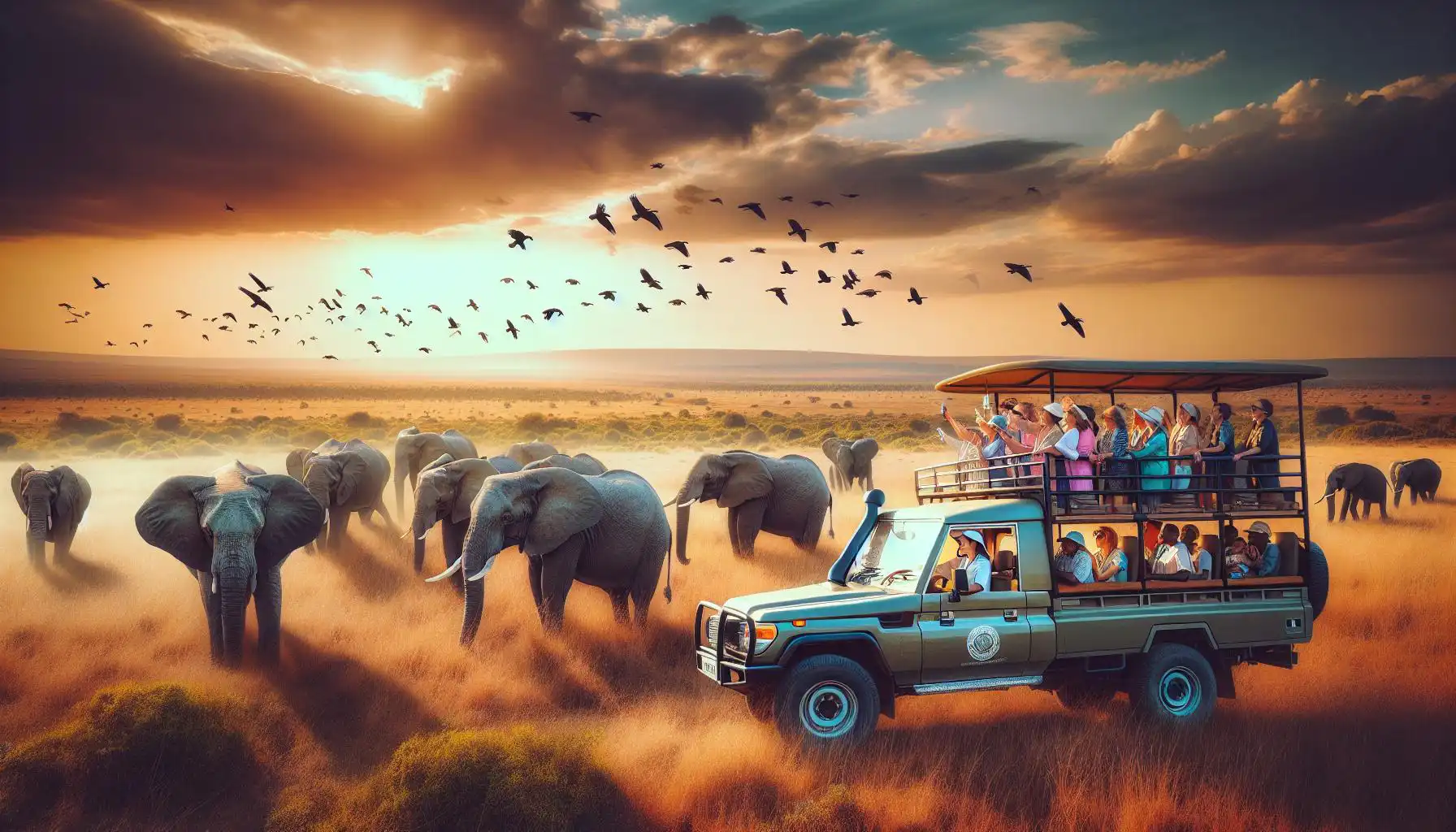
If you’re looking for an unforgettable adventure, Kenya’s got you covered. It’s a land teeming with diversity, from its rich culture to its breathtaking landscapes. Every corner of this East African gem is a testament to nature’s grandeur, offering a unique blend of thrilling wildlife encounters, pristine beaches, and vibrant city life.
Traveling to Kenya is like stepping into a wildlife documentary. You’ll find yourself immersed in a world of roaming elephants, majestic lions, and thundering wildebeests. But it’s not just about the animals. Kenya’s landscapes are equally mesmerizing, with towering mountains, dense forests, and tranquil lakes waiting to be explored.
Whether you’re a seasoned traveler or a newbie, Kenya promises a journey that’ll leave you with memories for a lifetime. So buckle up, we’re about to dive into the top tourist destinations in Kenya that should be on your bucket list.
Top Tourist Destinations in Kenya
Kenya’s picturesque landscapes and wildlife-filled national parks are not the only attractions it’s got to offer. Let’s hop into the minivan, put on some sunblock, and buckle up for a journey into the heart of Kenya.
Maasai Mara National Reserve
Say ‘Kenya’, and most people’ll think of the Maasai Mara National Reserve. I’m not surprised – it’s one of Kenya’s most famous destinations. Home to an extensive array of wildlife, you’ll find lions, elephants, cheetahs, and the breathtaking Great Migration – more than two million zebras, gazelles and wildebeest thundering across the plains. It’s hard to imagine the awe you’ll feel witnessing nature in such dramatic grandeur.
Amboseli National Park
Amboseli National Park is another favorite spot for wildlife enthusiasts. Here, you’ll enjoy the mighty sight of Mount Kilimanjaro towering in the background as you watch herds of elephants wandering across the open plains. Besides the elephants, there’s plenty of game to see in the park, including buffaloes, hyenas, and antelopes. The bird watchers among you will also be thrilled by the avian diversity.
Watamu
After the exhilarating safari tours, you might want a change of pace. Watamu, a small coastal town, gives you that in spades. It’s renowned for coral reefs teeming with marine life – a treat for snorkeling and diving aficionados. This tranquil paradise offers picturesque white sandy beaches and azure waters to cool off after your wilderness adventures.
Diani Beach
What’s a visit to Kenya without soaking up some sun at Diani Beach? It’s been acclaimed as one of the world’s most beautiful beaches, and for good reason. The dazzling turquoise Indian Ocean waters, coupled with velvety white sands, make this a delightful destination. It’s no wonder many refer to Diani Beach as Kenya’s tropical paradise.
Tsavo National Park
If you’re yearning for more wildlife, Tsavo National Park will not disappoint. Divided into two, Tsavo East and Tsavo West, it’s among the world’s largest national parks. Its vast savannah landscapes teem with wildlife, including the massive Tsavo elephants, known for their distinctive red dust coating.
Lamu Island
Lastly, a trip to Lamu Island will offer a different kind of adventure. This UNESCO World Heritage site combines Swahili culture, history, and architecture. Its narrow winding streets, beautiful old stone buildings, donkey rides, and traditional dhow boats make it a picturesque and charming getaway.
Best Time to Visit Kenya
So, you’ve gotten a taste of the vast array of experiences that Kenya offers. But you’re probably wondering when’s the ideal time to plan your visit to this diverse African destination. From its weather patterns to the peak tourist seasons, let’s dive into the important factors you should consider.
Weather Considerations
Kenya’s equatorial location means that it doesn’t experience extreme seasonal shifts. It enjoys a generally temperate climate throughout the year making it a year-round destination. However, the country has two distinct rainy seasons that may impact your travel plans.
From March to June, Kenya experiences the long rains, while short rains fall in November and December. If your main goal is wildlife viewing, from my experience, the dry seasons offer the best opportunities particularly between January and March and from July to October. During these periods, animals cluster around waterholes and rivers, making them easier to spot.
For beach lovers, the hot and dry months from December to March and August to September are ideal. The sun-kissed beaches of Watamu and Diani are at their best during these times.
Peak Tourist Seasons
When it comes to visitation trends, Kenya’s tourism follows a distinct cycle aligning with the migration of wildlife, specifically the wildebeest migration. The migration occurs from July to October and is a prime event for wildlife enthusiasts. Therefore, naturally, this period is a peak tourist season and you’ll find places like the Maasai Mara National Reserve quite busy.
Similarly, the December holiday season also tends to attract a large number of tourists. Keep in mind though, that during these peak periods, accommodation prices can skyrocket, and availability may become scarce. So if you’re planning to visit during these times, I’d recommend booking your accommodation and tours well in advance.
However, if you prefer off-peak travel, visiting Kenya in the shoulder seasons—April to June or November—lets you avoid the crowd. Plus, it’s possible to snag good deals on accommodations and tours during these times. Keep in mind, Kenya’s diversity ensures a memorable visit regardless of when you choose to go. Its rich cultural heritage, spectacular landscapes, and the ever-alluring wildlife promise a trip of a lifetime.
Safari Options in Kenya
Kenya’s beauty stretches from the azure waters of the Indian Ocean to the towering peaks of Mount Kenya. Its national parks and reserves brim with exceptional wildlife, making it a go-to destination for safaris. To capture the diversity of Kenya’s safari experiences, let’s delve into the luxury options, showcasing decadence in the wild, and the budget-friendly packages that offer fantastic experiences without breaking the bank.
Luxury Safari Options
For the discerning traveler looking for a luxurious African experience, Kenya’s high-end safari options do not disappoint. These top-tier experiences offer all-inclusive services, from deluxe accommodation in private conservancies to personalized guided tours. You’ll find resorts and lodges offering impeccable services, gourmet dining, and even opportunities for spa and wellness sessions.
Among the must-visit luxury destinations is Mara Plains Camp in the Masai Mara. This opulent camp provides an exclusive front-row seat to the great wildebeest migration while offering top-notch accommodation and dining facilities. Another notable location is Sasaab Lodge in Samburu, where you’ll have an exotic blend of Moroccan and Swahili aesthetics, providing an intimate luxury safari experience amidst wildlife-rich terrain.
Budget-Friendly Safari Packages
If you’re eyeing an adventurous vacation in Kenya on a budget, don’t fret. Numerous safari options cater to travelers who want to experience the majesty of Kenya’s wilderness without the luxury price tag. Budget-friendly safaris typically include accommodations in guest houses or budget safari lodges, and meals are included. You could also opt for group safari tours to spread the cost amongst a larger group, typically in a game-viewing vehicle that can accommodate about six to eight persons.
Tsavo East and West National Parks are top picks for affordable safari options. They offer budget lodges and vast landscapes teeming with wildlife, from elephants to lions and cheetahs. Another spot worth checking out is Amboseli National Park, known for its breathtaking views of Mt. Kilimanjaro and abundant wildlife that you can marvel at. Rest assured, whether you save or splurge on your safari, the magic of Kenya’s vast landscapes and diverse wildlife never wavers.
Cultural Experiences in Kenya
While Kenya’s wildlife and breathtaking landscapes are primary attractions, the country’s rich cultural heritage adds a unique dimension to the travel experience. A journey through Kenya wouldn’t be complete without immersing oneself in its vibrant cultural traditions, such as Maasai village visits or traditional Swahili cooking classes.
Maasai Cultural Village Visits
One thing I always love to recommend to fellow travelers is a visit to a Maasai cultural village. You can’t fully appreciate Kenya until you’ve spent time with its people, and the Maasai are one of the country’s most iconic tribes.
A visit to these villages provides a first-hand experience with the Maasai way of life. You’ll get to witness their traditional customs, watch the vibrant beadwork being made, and hear captivating storytelling. Not to forget the chance to join in their energetic jumping dance, known as the Adumu, which is truly a memory you’ll cherish forever.
Traditional Swahili Cooking Classes
If you’re looking to try your hand at something new and exciting, why not participate in a traditional Swahili cooking class? Swahili Cuisine is a rich blend of African, Arabian, and Indian influences that creates a flavor profile that’s uniquely East African.
Recipes passed down through generations are shared in these classes, just like with any traditional recipe sharing. Coconut curries, fragrant pilau rice, and the sweet and savory Swahili buns are just some dishes you might get to prepare. It’s not just about the food though, it’s about understanding the history, culture, and customs that have influenced these dishes.
Music and Dance Performances
Kenya’s unique blend of ethnic communities each have their distinctive forms of music and dance. The rich diversity of these performances is a testament to the country’s cultural wealth.
From the hypnotic beats of the Samburu warriors’ dances to the melodic strains of Swahili Taarab music, these performances provide a wonderful insight into Kenya’s cultural vibrancy. You can find these experiences peppered across the country, from street festivals in Nairobi to village celebrations in remote corners of the bush. I can assure you it’s something that will keep your foot-tapping long after the performance ends.
That’s just the tip of the iceberg when it comes to cultural experiences in Kenya. From ancient art forms to modern expressions, the country’s cultural landscape is a patchwork of complexities and contrasts. Dive in, and you’ll uncover layers of history, tradition, and creativity. So, what are you waiting for? Your cultural adventure in Kenya is just a step away.
Planning Your Trip to Kenya
There’s more to planning your trip to Kenya than just looking up the best safari spots and tourist destinations. Things like visas, health precautions, and packing essentials are equally critical. Let’s take a closer look.
Visa Requirements
If you’re planning a trip to Kenya, first things first, you’ll need a visa. Citizens from the majority of countries around the world are required to apply for an e-Visa. You can easily get an e-Visa online. Just head over to the Kenyan eCitizen portal, fill out the application form, and await your approval notification.
Depending on your citizenship, a single-entry visa fee can range from $50-$100. Please remember that it’s always crucial to check the latest visa requirements and their costs from the official Kenyan immigration websites or refer to your home country’s foreign affairs site for precise and updated information.
Health and Safety Tips
Before you travel to Kenya, it’s important to take precautions against the prevalent diseases such as malaria, yellow fever, and typhoid. I recommend you:
- Discuss with your doctor about the necessary vaccinations and whether you’ll need anti-malarial medication.
- Make sure to pack a travel-sized, first aid kit and include necessary medicine such as anti-diarrhea tablets, antihistamines, etc.
- Always drink bottled water. Avoid tap water, even for brushing your teeth.
As far as personal safety is concerned, while most tourist areas in Kenya are relatively safe, it’s always sensible to remain vigilant. Keep important documents like passports in a secure place, avoid flashing expensive jewelry, and stick to the designated routes while on a safari.
Packing Essentials
Packing for your Kenyan adventure can be a little tricky. With diverse landscapes come varying weather conditions from the warm humid coastline to the chilly highlands. Here’s my packing cheat sheet to help:
- Layers, layers, layers! It’s all about adaptability. Pack lightweight, breathable clothes for day time and add a jacket or sweater for the cool nights.
- Don’t forget your safari hat, sunglasses, and a good sunscreen for protection from the African sun.
- A sturdy pair of walking shoes will be indispensable.
- A reusable water bottle to stay hydrated throughout your journey.
- Lastly, binoculars for the safari to observe distant wildlife, and of course, your camera for capturing those special moments.
And there you have it. With these insights, your trip to Kenya should be smoother sailing.
Sustainable Tourism in Kenya
Kenya’s tourism industry is not just about breathtaking landscapes and unique wildlife encounters. This country has made substantial strides in promoting sustainable tourism, implementing practices that respect nature, local cultures, and contribute to the betterment of communities.
Eco-Friendly Accommodation
An integral part of sustainable tourism in Kenya involves eco-friendly accommodation. Many lodges and campsites across the country are consciously designed to reduce environmental impact. Sekenani Camp in the Maasai Mara, for example, is constructed almost entirely from natural materials sourced locally. Its architecture blends seamlessly with the surroundings while providing all the comfort you’d require.
Equally admirable are their efforts to minimize water and energy usage. For instance, Ol Pejeta Bush Camp in Laikipia and The Sands at Nomad in Diani Beach use solar power to meet their electricity needs, and systems for rainwater harvesting, drastically reducing reliance on non-renewable resources.
Furthermore, these properties often come with educational activities geared towards spreading awareness of sustainable living amongst tourists. Thus, a stay at these places not only reduces your carbon footprint but also enhances your understanding of sustainability in action.
Wildlife Conservation Programs
Another significant facet of sustainable tourism in Kenya is the numerous wildlife conservation programs that the country is home to. Prominent amongst these is the David Sheldrick Wildlife Trust. Known for orphan elephant rescue and rehabilitation, it plays a critical role in preserving Kenya’s elephant population, an iconic symbol of the country’s diverse wildlife.
On the other hand, The Mara Predator Conservation Program, is aimed at preserving the population of lions, leopards, and cheetahs in the region, while The East African Wild Life Society plays a stellar role in conserving ecosystems, protecting biodiversity and promoting sustainable natural resource utilization. These initiatives provide a vital boost to Kenya’s efforts to conserve its natural heritage.
Participating in these programs, either by volunteering or donating, allows you to directly contribute to conservation efforts. The opportunity to witness these conservation endeavors firsthand serves as a poignant reminder of the importance of sustainable tourism and the role it plays in preserving the beauty and diversity of Kenya’s natural treasures.
This exploration of sustainable tourism in Kenya continues in the next sections where we delve into ethical souvenir shopping, encouraging responsible travel behaviors, and highlighting the importance of supporting local communities. Together, these elements serve to paint a comprehensive picture of the varied facets of sustainable tourism in Kenya.
Frequently Asked Questions
What is the main focus of the article?
The article focuses on sustainable tourism in Kenya. It talks about the country’s initiatives towards eco-friendly practices in the hospitality industry, minimizing environmental effects, and promoting sustainability awareness among travelers.
What wildlife conservation programs does the article mention?
The article mentions two wildlife conservation programs- the David Sheldrick Wildlife Trust and The Mara Predator Conservation Program. They play a key role in sustaining Kenya’s unique biodiversity through their diverse preservation activities.
What eco-friendly practices in accommodation are discussed in the article?
While specific practices aren’t detailed, the article refers to eco-friendly accommodations, implying these are establishments that minimize environmental impact through energy efficiency, waste reduction, water conservation, and other sustainable practices.
What does the article advise about souvenir shopping?
The article encourages ethical souvenir shopping. It advises tourists to buy locally-made products to support the economy and avoid items that might contribute to environmental degradation or wildlife harm.
How does the article suggest travelers can assist local communities in Kenya?
According to the article, tourists can aid local communities by participating in ethical tourism practices, including responsible behaviors, supporting local businesses, and respecting cultural norms and customs.
What are key ways travelers can promote responsible tourism according to the article?
The article suggests travelers can promote responsible tourism by following eco-friendly practices, respecting local cultures, supporting community-driven initiatives, participating in sustainable wildlife tourism experiences, and purchasing ethical souvenirs.