


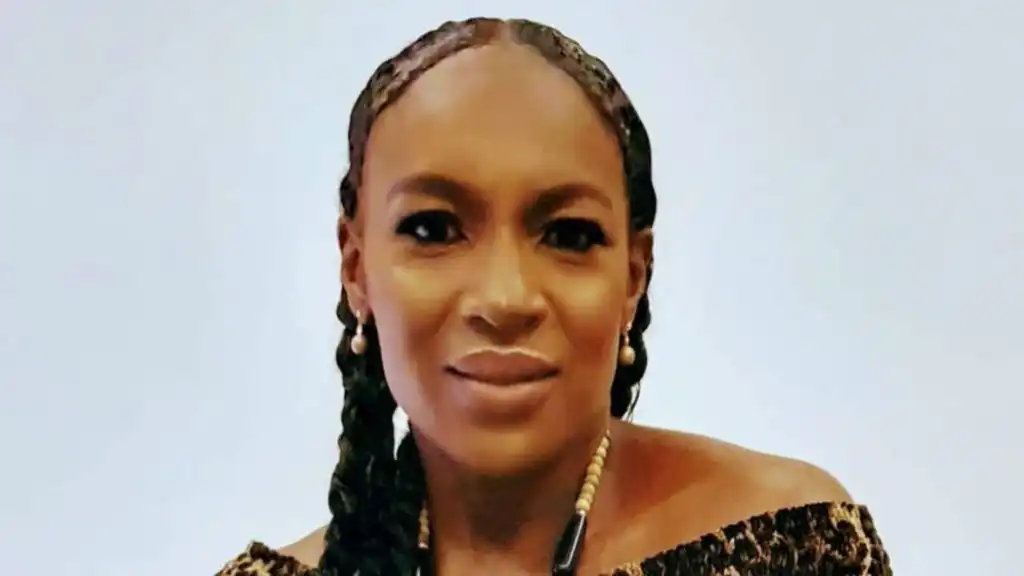
Media consultant and stage-four breast cancer survivor, Chioma Ikejiani, has opened up about her battle with the disease and her remarkable recovery, urging for greater cancer awareness and improvements in Nigeria’s healthcare system.
In a recent interview with Punch, Mrs. Ikejiani revealed that she first discovered a lump in her breast in 2015 after a routine mammogram. The tests later confirmed she had HER2-positive breast cancer, one of the most aggressive forms of the disease.
“When the result came, I was completely shocked,” she recalled.
Despite the devastating news, Ikejiani decided to face her diagnosis head-on, treating it as a project she was determined to overcome. She began treatment immediately, undergoing surgery and chemotherapy in Nigeria before continuing her care in Canada.
She credited the accuracy of her diagnosis in Nigeria and the collaboration between Nigerian and Canadian doctors for her survival. Her faith, she added, was another major pillar of strength throughout her treatment.
“When I started chemotherapy, I was amazed. I never got seriously sick and actually enjoyed taking time to care for myself,” she said.
However, upon returning to Nigeria in 2016, she encountered major challenges in the country’s healthcare system.
“At that time, the cancer ecosystem was poor. Even at the National Hospital, there were no proper coolers, and the process was very challenging,” she said.
Mrs. Ikejiani acknowledged that the government has since made progress through initiatives like the Cancer Health Fund and the Cancer Access Partnership Programme, which have made medications more affordable and accessible to patients.
She also noted that access to genuine drugs has improved, reducing the risk of fake medications — but added that awareness and stigma remain major obstacles in the fight against cancer.
“You can have all the money in the world, but if you don’t know you have cancer, that money is useless. Awareness is key,” she stressed.
Emphasizing healthy living, Ikejiani advised Nigerians, especially women, to pay close attention to their bodies and seek medical help immediately when they notice unusual changes.
“If anyone notices a lump or discharge in their breast or cervix, the first step is to authenticate the diagnosis. Don’t wait; ask your doctor immediately what to do,” she said.
The survivor concluded by encouraging patients to combine faith and science in their recovery journey, saying both can work together to achieve true healing.