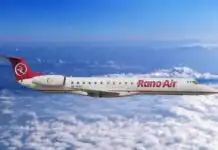


President Bola Ahmed Tinubu has approved a major intervention for Nigeria’s struggling aviation sector, granting domestic airlines a 30 percent relief on statutory fees owed to aviation agencies as operators battle soaring Jet A1 fuel costs.
The move, announced by Minister of Aviation and Aerospace Development Festus Keyamo, comes after mounting pressure from airline operators who warned of possible flight disruptions and fare increases due to what they described as unsustainable operating conditions.
According to the government, the relief covers outstanding obligations owed by airlines, including parking charges payable to the Federal Airports Authority of Nigeria, navigational fees due to the Nigerian Airspace Management Agency and other regulatory charges.
The decision is being seen as an urgent lifeline for an industry pushed to the edge by the Jet A1 crisis, with fuel costs now consuming a huge share of airline operating expenses.
“President Bola Ahmed Tinubu has approved a 30 percent discount on outstanding statutory fees owed by domestic airlines to aviation agencies,” the statement said, describing the measure as part of broader efforts to cushion the impact of the fuel crisis and prevent deeper disruption.
The intervention follows threats by members of the Airline Operators of Nigeria to suspend operations after Jet A1 prices reportedly surged from about N900 per litre in February to over N3,000 by April, triggering fears of widespread instability in domestic aviation.
With airlines warning that the situation had become commercially unbearable, the government moved into emergency talks, with Keyamo earlier pledging that action was underway.
Now, that promise has materialized.
Officials say the relief is expected to improve liquidity for airlines, reduce pressure on operators and lower the risk of cancellations or service breakdowns that could have affected millions of passengers.
But the development was not the only boost for the sector.
In a parallel breakthrough, Nigeria also recorded a landmark 91.45 per cent Effective Implementation score in an audit by the International Civil Aviation Organisation, the country’s highest ever rating under the global safety oversight system.
The score places Nigeria significantly above regional and global averages and is already being seen as a major credibility win for the country’s aviation industry.
Taken together, the fee relief and the ICAO milestone have given the sector something it has lacked in recent months — momentum.
The intervention also comes amid growing concerns over heavy taxes and levies burdening airlines, with operators repeatedly arguing that multiple charges, combined with fuel costs, were threatening long-term sustainability.
Industry watchers say the 30 per cent relief may not solve every structural problem, but it could provide immediate breathing room while broader reforms are considered.
For passengers worried about rising fares and possible disruptions, the government’s move may also offer short-term reassurance.
After weeks of warnings that domestic aviation was heading into turbulence, Tinubu’s intervention now signals an attempt to steady the industry before the crisis deepens.