


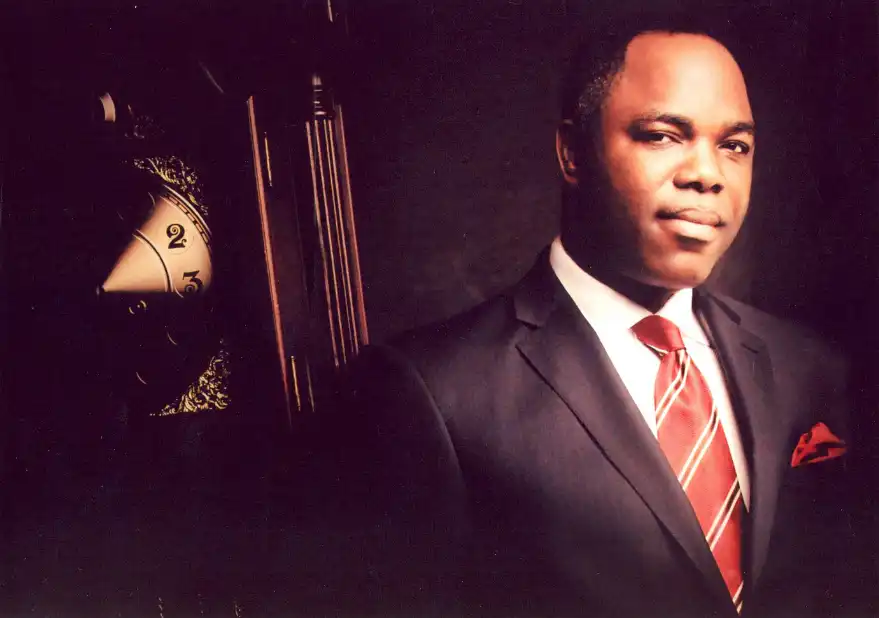
Fresh legal trouble has emerged for the former chairman of the defunct Skye Bank, Tunde Ayeni, after operatives of the Economic and Financial Crimes Commission reportedly arrested him over allegations involving money laundering, fund diversion and financial misappropriation.
According to sources within the anti-graft agency, Ayeni was arrested in Abuja on Thursday and is currently in EFCC custody as investigators probe an alleged financial scandal involving about N36.54 billion and $ 30 million.
The case is said to centre on loans reportedly obtained from Polaris Bank through multiple companies linked to the businessman.
Sources familiar with the investigation claim the facilities were originally secured for marine security operations, electricity distribution contracts and estate development projects. However, investigators allegedly found the funds were diverted to other purposes outside the approved scope.
Part of the probe reportedly focuses on claims that some of the money was used to acquire telecom assets linked to NITEL and MTEL through NATCOM.
Investigators are also said to be examining the roles of about 12 companies connected to Ayeni in securing the loans, with allegations that depositors’ funds were used for purposes different from what was declared.
EFCC spokesperson Dele Oyewale confirmed the arrest but did not provide further details on the ongoing investigation.
The development has revived attention on Ayeni’s previous encounters with the anti-corruption agency.
In 2018, the EFCC arraigned Ayeni alongside Timothy Oguntayo before a Federal High Court in Abuja over alleged diversion of funds. Both men pleaded not guilty and were granted bail, with the matter later continuing before Justice Ijeoma Ojukwu after amendments to the charges.
In 2019, the commission filed another money-laundering case, alleging N25.4 billion against Ayeni, Oguntayo, and two companies.
That case took a controversial turn in 2022 when the EFCC withdrew the charges following a settlement that reportedly included asset forfeiture. The move triggered criticism from some legal practitioners and civil society advocates.
Human rights lawyer Inibehe Effiong questioned the use of plea bargains in corruption cases, while activist Auwal Rafsanjani raised concerns about what such arrangements could mean for accountability.
Now, with a fresh arrest and a new round of allegations, attention is once again on the former banking executive, though the EFCC has yet to file formal charges in the latest case.
The arrest is likely to reignite debate over corporate accountability, banking-sector oversight, and the handling of major financial crime prosecutions in Nigeria.