

Nigeria’s economic reform push under President Bola Tinubu has received another major international boost, with Germany signing a massive €365 million development and investment partnership agreement to support key sectors of the Nigerian economy.
The agreement, signed in Abuja on Thursday, signals deepening economic ties between the two countries at a time when Nigeria is aggressively seeking foreign investment, infrastructure expansion, energy development, and long-term economic stability.
Beyond the headline figures, the partnership is being viewed as a strategic vote of confidence in Nigeria’s ongoing economic reforms, particularly in energy transition, agriculture, industrialisation, and private-sector growth.
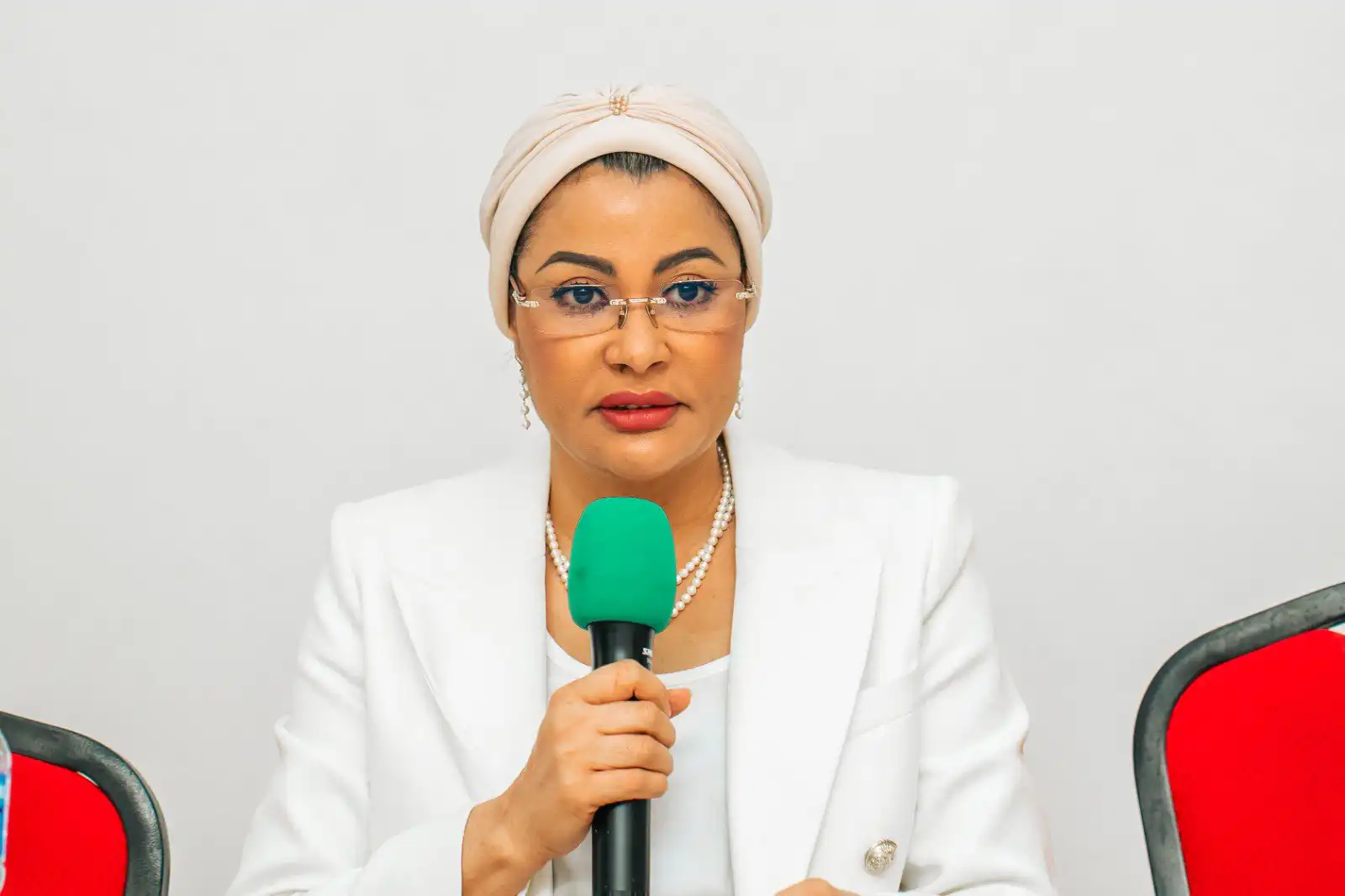
The deal was formalised at the German Embassy in Abuja by Nigeria’s Minister of Budget and Economic Planning, Senator Abubakar Bagudu, Minister of State for Budget and Economic Planning, Dr Doris Uzoka-Anite, alongside senior German government officials and development agencies.
According to details released by the Federal Ministry of Budget and Economic Planning, the agreement includes a €65 million financial and technical cooperation package from Germany, alongside a much larger €300 million Export Credit Guarantee financing framework designed to unlock investments and long-term funding for critical Nigerian projects.
Speaking during the signing ceremony, Doris Uzoka-Anite described the agreement as more than just a diplomatic formality.
She said both countries are now shifting development cooperation beyond aid into investment-driven partnerships capable of creating measurable economic impact.
“We recognise that development cooperation must increasingly catalyse investment, innovation, and sustainable financing,” she said.
“This partnership is therefore not merely procedural; it is a concrete affirmation of our shared commitment to improving our people’s lives.”
The agreement covers several strategic sectors expected to shape Nigeria’s economic future over the next decade.
These include agriculture, climate and energy transition, digital economy expansion, industrial development, strengthening healthcare systems, skills acquisition, and support for peaceful societies.
Government officials also confirmed that all projects tied to the partnership would align with Nigeria’s National Development Plan 2026–2030 and the broader Agenda 2050 economic framework.
The timing of the agreement is particularly significant.
Nigeria has spent the last two years implementing painful but aggressive economic reforms under Tinubu’s administration, including the removal of fuel subsidies, foreign exchange liberalisation, tax reforms, and efforts to stabilise government finances.
While those reforms initially triggered inflation, rising living costs, and economic backlash from citizens, international investors and development partners increasingly appear to be interpreting them as signs of structural economic restructuring.
Germany’s Deputy Director General of the Federal Ministry for Economic Cooperation and Development, Philip Knill, openly praised Nigeria’s reform direction during the event.
Describing Nigeria as “a giant in Africa,” Knill said Germany sees the country as a critical strategic partner for regional economic integration, security, trade, and industrial growth.
He revealed that the German delegation held extensive meetings with both Nigerian and German businesses during the visit, focusing heavily on energy, agriculture, industrialization, and digital transformation opportunities.
According to him, major German companies, including Siemens, SAP, Bayer, and STIHL, are already actively exploring investment opportunities across several Nigerian sectors.
One of the most important aspects of the agreement revolves around power infrastructure.
Germany reaffirmed its support for Nigeria’s Presidential Power Initiative through collaboration with Siemens, with plans to expand Nigeria’s electricity grid capacity to 25 gigawatts.
If successfully implemented, the project could significantly improve power supply reliability for businesses and households while supporting industrial growth and expanding access to cleaner energy nationwide.
German officials also highlighted the measurable impact of existing Nigeria-Germany partnership programs.
According to Knill, over 16,000 small and medium-sized businesses have already recorded income growth through previous joint initiatives.
At the same time, nearly 600,000 smallholder farming households benefited from agricultural training programs that reportedly boosted productivity and incomes by up to 90 per cent.
Additionally, over 70,000 Nigerians are currently benefiting from mini-grid electricity projects backed through the partnership.
The agreement also strengthens Germany’s broader economic footprint in Nigeria at a time when global powers are increasingly competing for influence, investment access, and trade partnerships across Africa.
For Nigeria, the partnership offers more than development financing.
It represents another attempt to rebuild investor confidence, attract long-term foreign capital, modernize infrastructure, and position the country as a more stable destination for industrial and technological growth.
With both countries now committing to deeper institutional collaboration and private-sector mobilization, attention will likely shift to execution and to whether the promised investments can translate into visible economic improvements for ordinary Nigerians in the coming years.