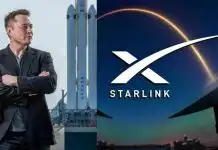


SpaceX is preparing to make history with a proposed $75 billion initial public offering that could become the largest stock market debut ever recorded, valuing Elon Musk’s aerospace giant at an estimated $1.75 trillion.
According to Reuters, the company plans to sell 555.6 million shares at a fixed price of $135 per share when it lists on the Nasdaq under the ticker symbol “SPCX.”
The offering is expected to debut on June 12, with the company’s investor roadshow set to begin this week.
What has particularly caught Wall Street’s attention is SpaceX’s decision to price the IPO at a fixed price rather than use the traditional bookbuilding process, which allows institutional investors to negotiate pricing.
The move is being viewed by market observers as a strong signal of confidence from Elon Musk and SpaceX executives that demand for the shares will be substantial.
If successful, the listing would instantly rank among the most significant public offerings in financial history and position SpaceX as one of the most valuable publicly traded companies in the world.
At a valuation of $1.75 trillion and based on reported 2025 revenue of $18.67 billion, SpaceX would trade at approximately 93.7 times revenue. While that figure is significantly higher than Tesla’s estimated 17-times-revenue multiple, it remains below the 118-times multiple currently associated with Rocket Lab.
Despite its impressive growth, SpaceX remains a company in heavy investment mode.
The company reportedly posted a net loss of $4.94 billion in 2025, a sharp reversal from the $791 million profit recorded a year earlier. Losses also widened in the first quarter of 2026, reaching $1.27 per share, up from 18 cents per share in the same period the previous year.
Much of those losses are linked to the company’s aggressive spending across multiple business segments. Of SpaceX’s three major divisions, only Starlink is currently profitable, while other operations continue to consume significant capital as the company expands its ambitions in satellite communications, space transportation, and deep-space exploration.
According to a June 1 research note cited by Reuters, Morningstar valued SpaceX at approximately $780 billion, considerably lower than the valuation being sought through the IPO. Analysts noted that the majority of the company’s value is currently tied to Starlink, which generated most of SpaceX’s revenue and profits during 2025.
The listing is also expected to have a major impact on the broader technology investment landscape.
Market observers believe a successful SpaceX IPO could open the door for other highly valued private technology companies to enter public markets.
Among the firms being closely watched are AI leaders OpenAI and Anthropic, both of which have emerged as dominant players in the rapidly expanding artificial intelligence sector.
Together, SpaceX, OpenAI, and Anthropic could add nearly $4 trillion in combined market value to public exchanges, creating one of the largest waves of technology listings in modern history.
The development is particularly relevant for investors seeking exposure to industries that were previously accessible only through private venture capital funding.
For Nigerian investors and fund managers with interests in global technology assets, the SpaceX listing could provide a rare opportunity to directly participate in the growth of the commercial space industry.
The company’s Starlink satellite internet service already operates in Nigeria and several other African countries, making SpaceX increasingly important to the continent’s broadband expansion efforts.
The IPO plans also follow reports that emerged in December 2025 indicating that SpaceX had entered a regulatory quiet period, a key milestone often associated with preparations for a public listing.
At the time, analysts described the move as a major step toward what many expected would become one of the most anticipated IPOs in global market history.
Whether investors ultimately embrace the ambitious valuation remains to be seen. However, one thing is clear: SpaceX is no longer just a rocket company.
Through reusable launch systems, satellite internet infrastructure, and long-term ambitions that extend beyond Earth, the company has become one of the most influential technology businesses of its generation. Its public market debut could mark a defining moment not only for Elon Musk’s empire but also for the future of the global space economy.