


Electric vehicles have become increasingly popular in recent years due to their eco-friendly nature and cost-saving benefits. But have you ever wondered what makes these vehicles tick? One crucial component that powers electric vehicles is the battery. In this article, I’ll delve into the fascinating world of electric vehicle batteries and explore what they are made of.
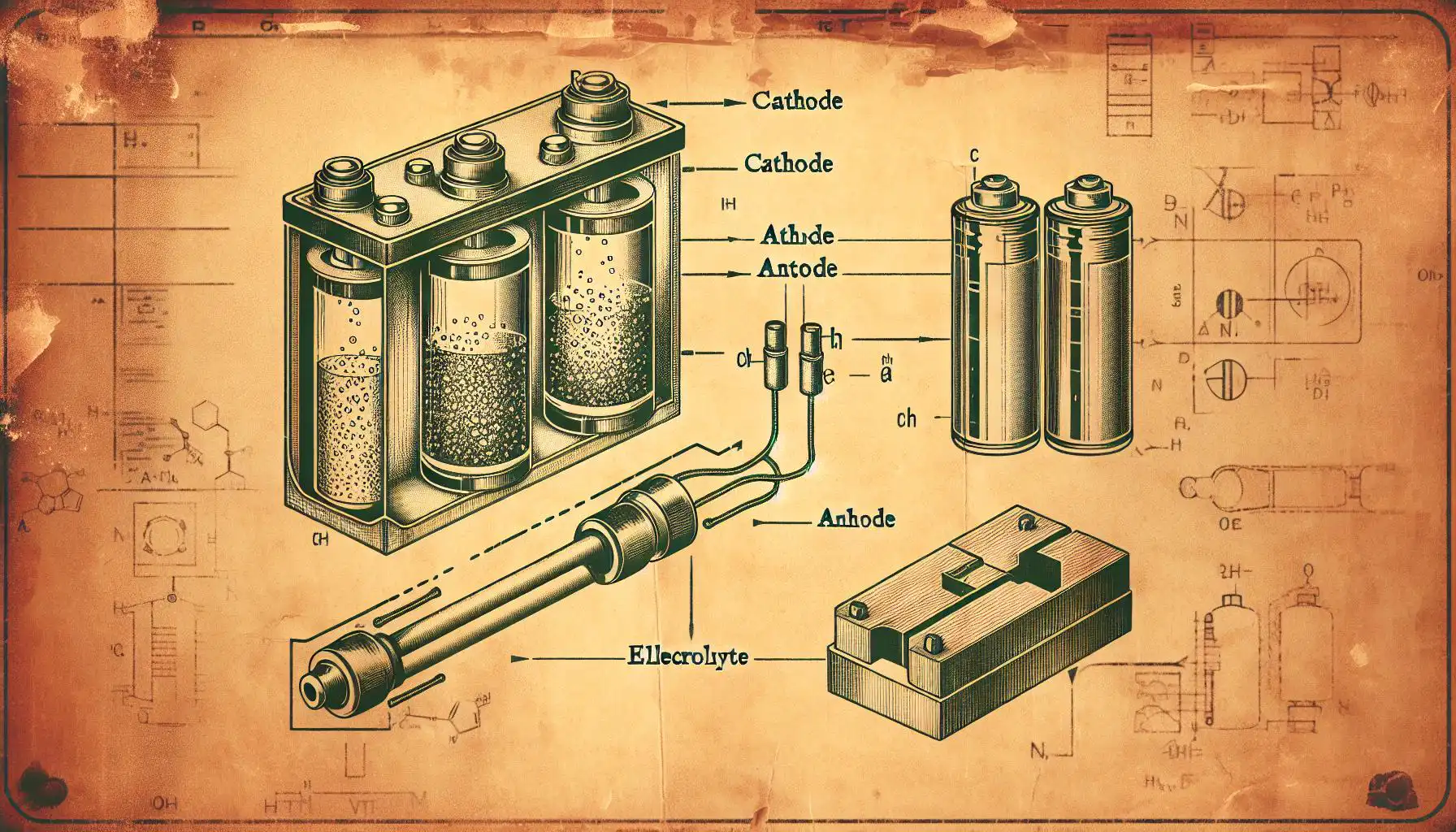
When it comes to electric vehicle batteries, the most common type used today is the lithium-ion battery. These batteries are lightweight, compact, and have a high energy density, making them ideal for powering electric vehicles. But what exactly are they made of? Well, at the heart of a lithium-ion battery are three main components: the cathode, the anode, and the electrolyte. These components work together to store and release energy, allowing electric vehicles to run efficiently and smoothly.
So, let’s dive deeper into the composition of electric vehicle batteries and discover the materials that make them so powerful. From the cathode materials like lithium cobalt oxide or lithium iron phosphate to the anode materials such as graphite or silicon, each component plays a crucial role in the overall performance of the battery. Understanding the intricate chemistry behind electric vehicle batteries will not only enhance your knowledge but also give you a greater appreciation for the technology that drives the future of transportation.
Key Takeaways
- The most common type of battery used in electric vehicles is the lithium-ion battery, known for its lightweight nature, compactness, and high energy density.
- The lithium-ion battery consists of three main components: the cathode, the anode, and the electrolyte, each playing a crucial role in storing and releasing energy efficiently.
- The cathode is the positive electrode, typically made of materials like lithium cobalt oxide, lithium manganese oxide, or lithium iron phosphate.
- The anode is the negative electrode, commonly composed of graphite or silicon, with ongoing research exploring alternative materials like lithium metal or lithium titanate.
- The electrolyte acts as a medium for the flow of lithium ions between the cathode and anode, and it can be a liquid with dissolved lithium salts or a solid-state material.
- Lithium-ion batteries are preferred in electric vehicles due to their high energy density, lightweight nature, and favorable balance between energy storage capacity and weight.
- Ongoing research and development focus on improving battery performance, energy density, safety, and longevity by exploring new cathode, anode, and electrolyte materials.
Lithium-ion Batteries: Powering Electric Vehicles
Lithium-ion batteries have revolutionized the world of electric vehicles (EVs) by providing a lightweight and high-energy density power source. As an expert in the field, I can confidently say that these batteries are at the forefront of EV technology. In this section, I’ll delve deeper into the composition and importance of lithium-ion batteries in powering electric vehicles.
Composition of Lithium-ion Batteries
Lithium-ion batteries consist of three main components: the cathode, the anode, and the electrolyte. Each of these components plays a crucial role in the battery’s performance and efficiency.
- Cathode: The cathode is the positive electrode of the battery and is typically made of lithium cobalt oxide (LiCoO2), lithium manganese oxide (LiMn2O4), or lithium iron phosphate (LiFePO4). These materials facilitate the movement of lithium ions during the charging and discharging process, enabling the battery to store and release electrical energy efficiently.
- Anode: The anode is the negative electrode and is usually composed of graphite, although newer battery technologies are exploring the use of silicon. The anode acts as a host for the lithium ions when the battery is charged, allowing them to intercalate into its structure. During discharge, the lithium ions move back to the cathode through the electrolyte to release electrical energy.
- Electrolyte: The electrolyte acts as a medium for the flow of lithium ions between the cathode and anode. It is typically a lithium salt dissolved in an organic solvent. The choice of electrolyte can affect the battery’s performance, including its energy density, thermal stability, and safety.
Importance of Lithium-ion Batteries in Electric Vehicles
Lithium-ion batteries have become the preferred choice for EVs due to several key advantages:
- High Energy Density: Lithium-ion batteries have a higher energy density compared to other types of batteries, allowing EVs to travel longer distances on a single charge. This has significantly contributed to overcoming range anxiety, one of the main concerns for potential EV owners.
- Lightweight: The lightweight nature of lithium-ion batteries makes them ideal for transportation applications such as EVs. They offer a favorable balance between energy storage capacity and weight, enabling improved vehicle performance and efficiency.
The Cathode: A Key Component of Electric Vehicle Batteries
When it comes to electric vehicle (EV) batteries, the cathode plays a crucial role in determining the overall performance and efficiency. As a key component of lithium-ion batteries, the cathode is responsible for storing and releasing the lithium ions during the charging and discharging process. Let’s take a deeper look into the cathode and its significance in EV batteries.
Composition of the Cathode
The cathode of an EV battery is typically made of different types of materials, each with its own unique properties. Some common cathode materials include:
- Lithium Cobalt Oxide (LiCoO2): This material is widely used in EV batteries due to its high energy density. It offers a good balance between power and capacity, making it suitable for long-range electric vehicles.
- Lithium Manganese Oxide (LiMn2O4): Known for its safety and stability, LiMn2O4 cathodes are often used in electric vehicles. While it may have a slightly lower energy density compared to LiCoO2, it provides a longer lifespan and excellent thermal stability.
- Lithium Iron Phosphate (LiFePO4): LiFePO4 cathodes offer exceptional stability and safety. They are known for their long cycle life, high thermal stability, and low cost. Although they have a slightly lower energy density, LiFePO4 cathodes are commonly used in electric buses and other heavy-duty EV applications.
Each cathode material has its own trade-offs in terms of energy density, cost, safety, and lifespan. Manufacturers choose the cathode material based on the specific requirements of the EV and the desired balance between performance and cost-effectiveness.
Advancements in Cathode Technology
Over the years, there have been continuous advancements in cathode technology to improve the capabilities of EV batteries. Researchers and manufacturers are constantly striving to develop new cathode materials that offer higher energy density, longer lifespan, and improved safety.
One such advancement is the development of nickel-rich cathodes. These cathode materials, such as NMC (nickel-manganese-cobalt) and NCA (nickel-cobalt-aluminum), have higher nickel content, which allows for increased energy density. By increasing the nickel content, researchers aim to improve the range and performance of electric vehicles.
Exploring the Anode: Materials that Drive Electric Vehicle Performance
In the world of electric vehicles (EVs), the focus is not just on the cathode, but also on another essential component: the anode. The anode plays a crucial role in the performance and efficiency of EV batteries. So, let’s dive into the fascinating world of anode materials.
Lithium-ion Anodes
The most common type of anode material used in lithium-ion batteries is graphite. Graphite has excellent electrical conductivity and high stability, making it an ideal choice. However, researchers are continuously exploring alternative anode materials to further improve battery performance.
Silicon Anodes
One promising alternative is silicon. Silicon has a much higher theoretical capacity for lithium-ion storage compared to graphite, making it an attractive option for increasing the energy density of EV batteries. However, silicon experiences significant volume expansion during charging and discharging, leading to capacity loss and decreased battery lifespan. Researchers are actively working on mitigating these challenges to make silicon-based anodes a viable option.
Other Anode Materials
Apart from graphite and silicon, there are several other anode materials being investigated for their potential in EV batteries. These include:
- Lithium metal: Lithium metal anodes offer the highest theoretical capacity and have the potential to revolutionize battery technology. However, challenges such as dendrite formation and safety concerns are still being addressed.
- Lithium titanate: This material has excellent stability and fast charge-discharge capabilities. It also has a long cycle life and can operate in extreme temperatures, making it a suitable choice for certain applications.
- Sodium-ion: Sodium-ion batteries, with their abundant and low-cost sodium resources, are gaining attention as a potential alternative to lithium-ion batteries. Sodium-based anodes are being explored for their compatibility with sodium-ion chemistry.
Ongoing Research and Development
The quest for better anode materials is an ongoing process. Researchers and manufacturers are actively exploring new materials and refining existing ones to improve the performance, energy density, and lifespan of EV batteries. By pushing the boundaries of anode technology, we can unlock the full potential of electric vehicles and make them even more attractive for a sustainable future.
The Electrolyte: Facilitating Energy Storage and Release
In electric vehicle (EV) batteries, the electrolyte plays a crucial role in facilitating energy storage and release. It is a key component that allows for the flow of ions between the cathode and the anode, enabling the battery to generate and store electricity.
The electrolyte is typically a liquid or gel-like substance that contains ions, which are electrically charged particles. These ions, such as lithium ions in lithium-ion batteries, are responsible for carrying the electric charge during the battery’s operation.
One important characteristic of the electrolyte is its ability to conduct ions efficiently. A high ionic conductivity ensures that the battery can charge and discharge quickly and effectively. On the other hand, a low ionic conductivity can lead to reduced performance and slower charging times.
To achieve optimal conductivity, the electrolyte needs to strike a balance between being highly conductive and stable. It should be able to transport ions rapidly while maintaining its structural integrity even under challenging conditions.
In lithium-ion batteries, the most common electrolyte is a liquid comprising lithium salts dissolved in organic solvents. However, researchers are exploring solid-state electrolytes as a potential alternative. Solid-state electrolytes offer several advantages such as improved safety, longer lifespan, and the potential to use lithium metal anodes.
In addition, solid-state electrolytes are less prone to leakage, reducing the risk of environmental contamination. They also exhibit better thermal stability, reducing the likelihood of battery overheating or catching fire.
Overall, the choice of electrolyte plays a significant role in determining the performance, safety, and lifespan of an EV battery. Ongoing research and development aim to find electrolyte materials and systems that can further improve these aspects, paving the way for more efficient and reliable electric vehicles.
Keep reading to learn more about the Battery Management System and its importance in safeguarding the performance and longevity of EV batteries.
Conclusion: The Intricate Chemistry Behind Electric Vehicle Batteries
In this article, we have explored the intricate chemistry behind electric vehicle (EV) batteries. We have discussed the importance of both the cathode and anode in driving EV performance and efficiency. While the cathode is responsible for storing and releasing the positive ions, the anode plays a crucial role in the movement of negative ions.
Additionally, we have highlighted the significance of the electrolyte in facilitating energy storage and release in EV batteries. The electrolyte allows for the flow of ions between the cathode and anode, enabling the battery to generate and store electricity. It is essential for the electrolyte to have high ionic conductivity to ensure quick and effective charging and discharging.
Moreover, we have touched upon the ongoing research and development in the field of EV batteries. Researchers are exploring solid-state electrolytes as a potential alternative to liquid electrolytes. These solid-state electrolytes offer advantages such as improved safety, longer lifespan, and the potential to use lithium metal anodes.
The choice of electrolyte material plays a significant role in determining the performance, safety, and lifespan of an EV battery. As technology advances, we can expect to see further improvements in the chemistry of EV batteries, leading to more efficient and sustainable transportation options.
Frequently Asked Questions
Q: What is the importance of the anode in electric vehicle batteries?
A: The anode plays a crucial role in the performance and efficiency of electric vehicle (EV) batteries. It is responsible for storing lithium ions during charging and releasing them during discharging. This process allows the battery to generate and store electricity, which powers the EV. The anode material choice affects battery capacity, lifespan, and overall performance.
Q: What is the role of the electrolyte in EV batteries?
A: The electrolyte is an essential component in EV batteries. It facilitates the flow of ions between the cathode and anode, allowing for the generation and storage of electricity. The electrolyte needs to have high ionic conductivity for efficient charging and discharging. It also plays a significant role in determining the performance, safety, and lifespan of the battery.
Q: Are solid-state electrolytes better than liquid electrolytes?
A: Solid-state electrolytes are being explored as potential alternatives to liquid electrolytes in EV batteries. They offer advantages such as improved safety, longer lifespan, and the potential to use lithium metal anodes. However, there are still challenges to overcome, such as lower ionic conductivity and higher production costs. Ongoing research aims to develop solid-state electrolytes with improved performance and to address these challenges.
Q: How does the choice of electrolyte impact an EV battery?
A: The choice of electrolyte in an EV battery has a significant impact on its performance, safety, and lifespan. The electrolyte needs to have high ionic conductivity to ensure quick and effective charging and discharging. It also needs to be stable and resistant to degradation over time. Different electrolyte materials offer varying benefits and drawbacks, and ongoing research aims to find electrolyte systems that further improve these aspects.
Q: What are researchers working on regarding EV battery electrolytes?
A: Researchers are actively working on developing electrolyte materials and systems for EV batteries. The focus is on improving aspects such as ionic conductivity, safety, stability, and lifespan. Solid-state electrolytes are a promising area of research due to their potential advantages, but challenges remain. Ongoing efforts aim to overcome these challenges and find electrolyte solutions that can enhance the performance, safety, and lifespan of EV batteries.