


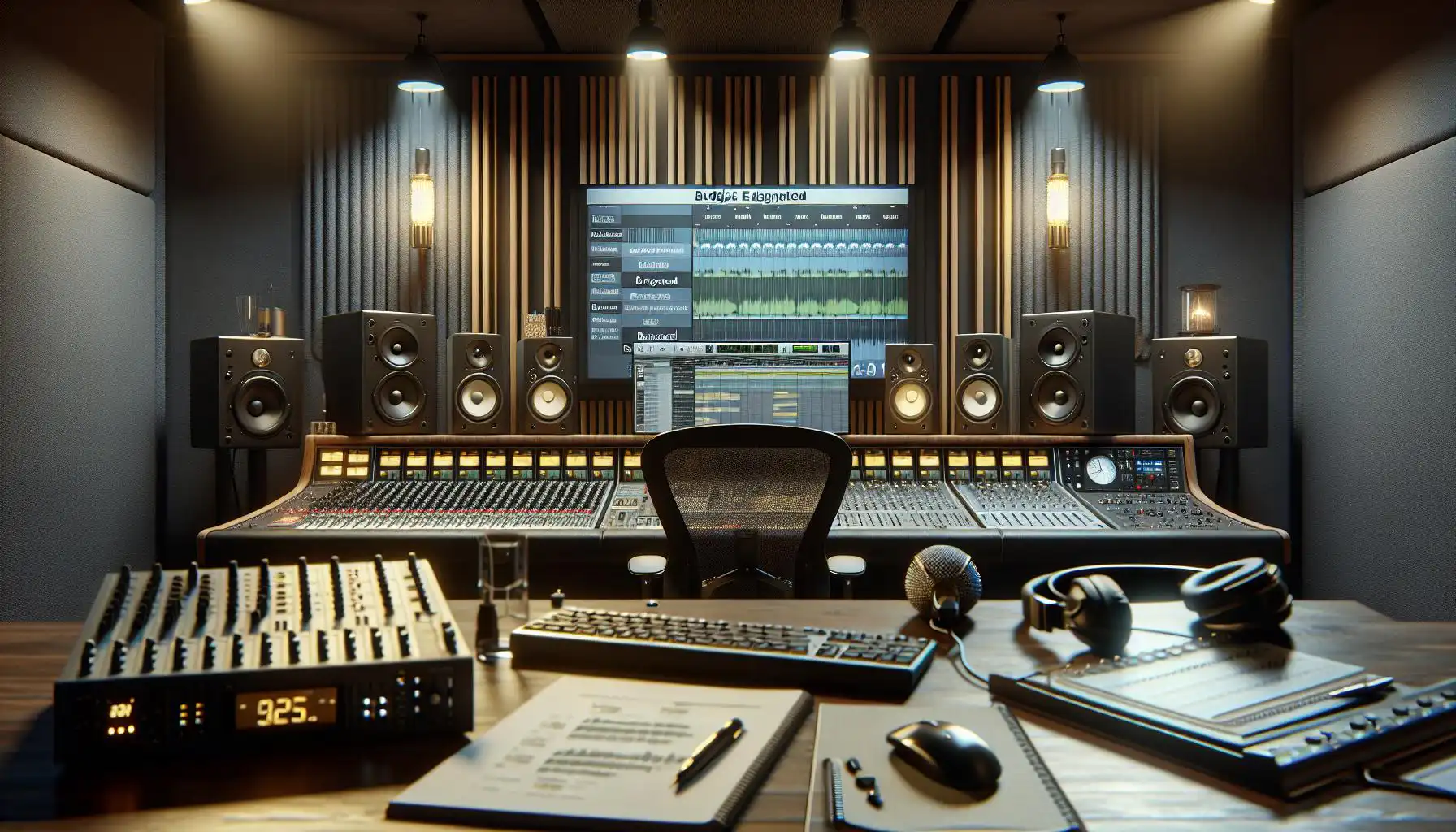
Setting up a professional studio can be a dream come true for many aspiring musicians, podcasters, and content creators. But before you dive headfirst into this exciting endeavor, it’s important to understand the costs involved. As someone who has been in the industry for years, I’ve seen firsthand the financial commitment required to create a top-notch studio that meets your needs. In this article, I’ll break down the various expenses you can expect when setting up a professional studio, from equipment and software to acoustics and soundproofing. So, if you’re ready to turn your passion into a professional studio, keep reading to discover what it takes to make your dream a reality.
When it comes to setting up a professional studio, one of the biggest expenses you’ll encounter is the equipment. From microphones and headphones to mixers and monitors, investing in high-quality gear is essential for achieving a professional sound. Additionally, software plays a crucial role in the studio setup, with digital audio workstations (DAWs) and plugins being necessary tools for recording, editing, and producing music or podcasts. Alongside equipment and software costs, you’ll also need to consider the expenses associated with creating an acoustically treated space. Soundproofing materials, acoustic panels, and bass traps are just a few examples of the investments required to ensure optimal sound quality and minimize external noise interference.
Setting up a professional studio requires careful financial planning and a clear understanding of the various costs involved. From equipment and software to acoustics and soundproofing, each aspect plays a crucial role in creating a top-notch studio that meets your needs. In the following sections, I’ll delve deeper into each category, providing insights and recommendations to help you navigate the financial landscape of building your own professional studio. So, let’s get started on this exciting journey towards creating your dream studio.
Factors to Consider
Equipment Costs
Setting up a professional studio requires investing in high-quality equipment. Here are some factors to consider when it comes to equipment costs:
- Microphones: Good microphones are essential for capturing clear and professional-quality sound. Consider both the quantity and the quality of microphones needed for your studio.
- Headphones: Invest in reliable studio headphones that provide accurate sound reproduction. Look for models that offer comfort and durability.
- Mixers: A mixer is crucial for controlling and adjusting audio levels. Choose a mixer that suits your studio’s needs, whether it’s a digital or analog one.
- Monitors: Studio monitors are designed to provide accurate sound reproduction, allowing you to hear the details and nuances of your recordings. Invest in monitors that offer a flat frequency response.
- Software: Digital audio workstations (DAWs) and plugins are essential for recording, editing, and mixing your audio. Consider the cost of purchasing or subscribing to these software tools.
Acoustic Treatment Costs
Creating an acoustically treated space is vital for achieving professional sound quality. Here are some factors to consider when it comes to acoustic treatment costs:
- Soundproofing Materials: Soundproofing your studio helps in reducing noise leakage and external interruptions. Invest in materials like mass-loaded vinyl, acoustic sealant, and soundproof doors to create a quieter space.
- Acoustic Panels: These panels help control reflections and reduce echo in your studio. Consider the number and type of acoustic panels needed to optimize your room’s acoustics.
- Bass Traps: Bass traps are designed to absorb low-frequency sound waves, reducing unwanted resonance and providing a balanced sound. Determine the number and placement of bass traps based on your room’s dimensions and layout.
Studio Furniture Costs
Furnishing your studio with the right furniture is important for a comfortable and efficient working environment. Here are some factors to consider when it comes to studio furniture costs:
- Recording Desk: Invest in a sturdy and ergonomic recording desk that provides ample space for your equipment and allows for easy access.
- Studio Chairs: Choose ergonomic chairs that offer proper support and comfort during long recording or mixing sessions.
- Equipment Racks and Stands: Racks and stands are necessary for organizing and storing your gear. Consider the size and number of racks/stands needed based on the equipment you have.
- Storage Solutions: Invest in storage cabinets or shelves to keep your studio organized and clutter-free.
Remember, careful financial planning is essential when considering all these factors. Take the time to research and budget properly to ensure that you are making the right investments for your professional studio.
Cost Breakdown
Recording Equipment
When it comes to setting up a professional studio, Recording Equipment is crucial. This includes microphones, headphones, mixers, and monitors. Here’s a breakdown of the cost for each category:
- Microphones: A range of options are available, from affordable dynamic microphones to high-end condenser microphones. The cost can vary greatly, but be prepared to invest anywhere from $100 to $1000 for a quality microphone.
- Headphones: It’s essential to have accurate monitoring, and a good pair of studio headphones is a must. Expect to spend around $100 to $300 for a reliable set.
- Mixers: Depending on your needs, a mixer can range from a compact desktop option to a larger analog console. Prices can start at around $200 and go up to several thousand dollars.
- Monitors: High-quality studio monitors are necessary for accurate playback. Entry-level options can be found for around $100 per speaker, while professional-grade monitors may cost several thousand dollars for a pair.
Mixing and Mastering Equipment
To achieve professional sound quality, investing in the right Mixing and Mastering Equipment is essential. Here are some key components to consider:
- Digital Audio Workstation (DAW): A DAW is the heart of any studio and is where you’ll do most of your mixing and editing. There are various options available, ranging from free software to premium subscriptions or one-time purchases. Premium DAWs can cost anywhere from $100 to $900.
- Plugins: Plugins are software extensions that offer additional functionality within the DAW. These can include effects, virtual instruments, and more. While some plugins are free, premium plugins can range from $50 to $500 each.
Acoustic Treatment Materials
Creating an acoustically treated space is crucial for achieving accurate and precise sound reproduction. Consider the following Acoustic Treatment Materials and their respective costs:
- Soundproofing materials: These include materials such as soundproofing foam and insulation. Prices can range from $50 to $500, depending on the size of your studio and the level of soundproofing required.
- Acoustic panels and bass traps: These help control reflections and minimize unwanted resonances. Prices can vary based on the size and quality of the panels, ranging from $100 to $500 or more.
Studio Furniture
Investing in the right Studio Furniture is often overlooked, but it plays a significant role in creating a comfortable and functional workspace. Here are some key items to consider:
- Recording desk: A sturdy and ergonomic recording desk is essential for organizing your equipment and creating an efficient workflow. Prices can range from $200 to $1000 or more.
- Chairs: A comfortable and supportive chair is crucial for long studio sessions. Expect to spend around $100 to $300 for a quality chair.
- Equipment racks: These help keep your gear organized and easily accessible. Prices vary depending on the size and quality of the rack, ranging from $100 to $500 or more.
- Storage solutions: Cabinets, shelves, and storage units are essential for keeping your studio clutter-free and well-organized. Prices can range from $100 to $500, depending on your needs.
Remember, these cost estimates are just rough guidelines, and prices may vary depending on the brand, quality, and specific features you require. It’s important to carefully plan your expenses and prioritize based on your budget and professional goals.
Additional Costs to Consider
Software and Plugins
When setting up a professional studio, it’s important to budget for software and plugins. These are essential tools that help enhance your recordings and give them that polished, professional sound. Here are a few points to consider:
- Digital Audio Workstation (DAW): This is the software you’ll use to record, edit, and mix your music. There are several options available, ranging from free to high-end professional DAWs. It’s important to choose a DAW that suits your needs and budget.
- Plugins: Plugins are additional software components that can be integrated into your DAW to add effects, virtual instruments, and other functionalities. These can be quite pricey, so it’s important to research and invest in plugins that align with your specific requirements.
Cables and Accessories
While it’s easy to overlook, cables and accessories are an important part of any studio setup. These items ensure that your equipment is properly connected and functioning optimally. Here’s what you need to keep in mind:
- XLR Cables: These are essential for connecting your microphones, audio interfaces, and other studio equipment. It’s crucial to invest in high-quality cables to ensure clean and reliable signal transmission.
- Patch Cables and Adapters: These small cables and adapters are necessary for connecting different pieces of gear in your studio, such as audio interfaces, synthesizers, and effects processors. It’s best to have a variety of patch cables and adapters on hand to accommodate different connections.
- Accessories: Don’t forget the little things that make your studio workflow smoother. This includes items like microphone stands, pop filters, shock mounts, and cable organizers. While they may seem insignificant, having these accessories can greatly improve the functionality and convenience of your studio setup.
Maintenance and Repairs
Setting up a professional studio is a long-term investment, and it’s important to factor in maintenance and repair costs. Here are a few things to consider:
- Equipment Servicing: Over time, your equipment may require servicing and maintenance to ensure it continues to perform at its best. This can include cleaning, calibration, and potentially replacing parts. Budgeting for regular equipment servicing is essential in order to avoid unexpected breakdowns and costly repairs.
- Ongoing Software Updates: Software companies often release updates for their DAWs and plugins to fix bugs, introduce new features, and improve performance. These updates may come at a cost, so it’s important to consider them in your budget.
- Replacement Costs: As with any technology, equipment may become obsolete or require replacement over time. This could be due to advancements in technology, wear and tear, or changes in your studio setup. It’s wise to plan ahead and allocate a portion of your budget for equipment replacement or upgrades.
Remember, these additional costs may vary depending on your specific needs and preferences. It’s crucial to do your research, compare prices, and create a realistic budget that includes all the necessary expenses for setting up and maintaining a successful professional studio.
Budgeting Tips
Prioritize Essential Equipment
When setting up a professional studio, it’s important to prioritize the essential equipment that you absolutely need. This will help you allocate your budget efficiently and ensure that you have the necessary tools to produce high-quality work. Some essential equipment to consider:
- Microphones: Invest in a good quality microphone that suits your recording needs. This is crucial for capturing clear and professional sound.
- Audio Interface: A reliable and high-performing audio interface is essential for connecting your microphones and instruments to your computer.
- Studio Monitors: Don’t skimp on your studio monitors, as they are critical for accurately monitoring your audio and making precise mixing decisions.
- Digital Audio Workstation (DAW): Choose a DAW that fits your workflow and offers the features you need. There are both free and paid options available, so do your research before making a decision.
By prioritizing these essential equipment items, you can set a solid foundation for your studio without breaking the bank.
Consider Buying Used Equipment
One great way to save money when setting up a professional studio is by purchasing used equipment. Many professional musicians and studios upgrade their gear regularly, which means you can often find high-quality equipment at a fraction of the original cost. Here are some tips when considering buying used equipment:
- Research and Test: Before making a purchase, thoroughly research the product and check for any known issues or recalls. If possible, test the equipment in person to ensure its functionality.
- Buy from Reputable Sellers: Purchase from reputable sellers or stores that offer warranties or return policies. This will provide you with some protection in case there are any issues with the equipment.
- Inspect the Equipment: Carefully inspect the used equipment for any visible damage or signs of wear and tear. If possible, ask the seller for a demonstration or additional photos to assess its condition.
Buying used equipment can be a cost-effective way to stretch your budget and still acquire high-quality gear for your studio.
Research and Compare Prices
One of the most critical aspects of budgeting for a professional studio is conducting thorough research and comparing prices. Take the time to explore different brands, models, and retailers to find the best deals. Here are some tips to help you with your research:
- Read Reviews: Look for professional reviews and user feedback to get an idea of the performance and reliability of the equipment you’re considering.
- Check Multiple Retailers: Don’t settle for the first price you come across. Take the time to check different retailers, both online and offline, to compare prices and find the best deals.
- Consider Bundle Deals: Some retailers offer bundle deals where you can purchase multiple items together at a discounted price. This can be a great way to save money on essential equipment.
By dedicating time to research and compare prices, you can ensure that you’re getting the best value for your money when setting up your professional studio.
Remember, budgeting for a professional studio requires careful consideration and planning. By prioritizing essential equipment, considering buying used gear, and researching and comparing prices, you can create a realistic budget that will set you up for success in your studio endeavors.
Frequently Asked Questions
1. What are some additional costs to consider when setting up a professional studio?
When setting up a professional studio, there are additional costs to consider such as software and plugins, cables and accessories, and maintenance and repairs. These costs are important to factor into your budget to ensure you are fully prepared.
2. How should I budget for these additional costs?
It’s essential to create a realistic budget for your professional studio. Prioritize essential equipment like microphones, audio interfaces, studio monitors, and digital audio workstations. Consider buying used equipment to save money, and research and compare prices to find the best deals. Careful financial planning and research are vital to create an accurate budget that includes all necessary expenses.
3. Are there any budgeting tips you can provide?
To help with budgeting, prioritize essential equipment and consider buying used equipment. Research and compare prices to find the best deals. Additionally, be mindful of maintenance and repair costs to ensure your studio stays in good working condition. Carefully planning and considering these factors will help you manage your budget effectively.