

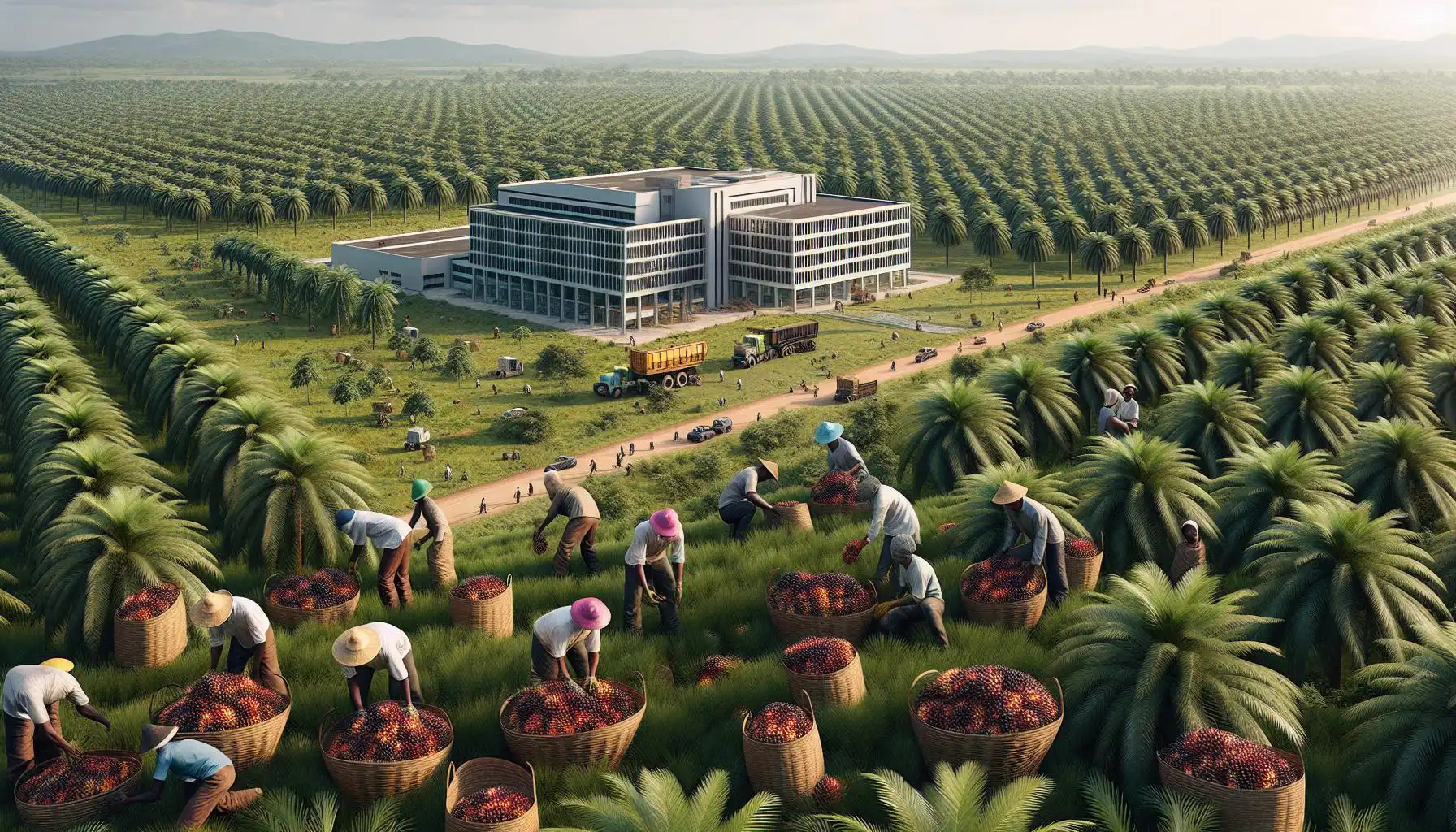
Nigeria, my homeland, is a powerhouse in the world of palm oil production. It’s not just a title we’ve stumbled upon; it’s a testament to the hard work and dedication of our farmers in several states across the country.
From the lush landscapes of Cross River to the fertile soils of Akwa Ibom, palm oil production is more than just an industry. It’s a way of life for many Nigerians.
However, it’s not just these states carrying the torch. Ondo, Edo, and Delta states are also making significant contributions to our palm oil production. Together, we’re not only sustaining our economy but also setting a global standard. Stay tuned as I delve deeper into the dynamics of palm oil production in these states.
Overview of Palm Oil Production in Nigeria
As an experienced blogger, I’ve seen countless testimonials from hardworking farmers who are at the heart of Nigeria’s palm oil production. Their stories resonate with resilience and dedication, painting a picture of an industry that’s more than just an economic driver. For them, it’s their way of life.
Nigeria, once renowned as the top producer of palm oil worldwide, has now fallen to the third slot. Yet, it’s role remains significant. Maintaining 7% of global production, Nigeria produced approximately 1.03 million metric tons in 2020 alone.
| 2020 | 3rd | 7% | 1.03 Million |
This extensive production operates primarily across five key states: Cross River, Akwa Ibom, Ondo, Edo, and Delta. These states earned recognition not merely for their volume but also for the exceptional quality of palm oil produced.
A populous West African country, Nigeria boasts an estimated 24 million hectares of fertile arable land. This abundance of land hosts an array of palm species. Elaeis guineensis, native to Africa, is among the most prevalent, its versatility making it a suitable choice for palm oil production.
The palm oil journey begins with these small fruits, harvested specially from the Elaeis guineensis palm. They’re then transported to processing facilities within these five states. The oil is extracted, processed, and packaged, ready for local consumption or export to the international market.
What makes Nigeria’s palm oil industry truly fascinating is not just its volume or versatility but the intricate network of individuals and communities that support it. Farmers reap, workers process, and logistical teams distribute. It’s a silent symphony of effort, skill, and sheer will.
In the coming sections, we’ll delve deeper into the unique dynamics of palm oil production within each of these five Nigerian states. Stay tuned as we explore this vibrant industry steeped in tradition and crowned by innovation.
Top Palm Oil Producing States in Nigeria
Immersing ourselves in Nigeria’s palm oil landscape, let’s venture together into the major palm oil-producing states that are making a significant impact in this industry: Edo, Cross River, and Ondo. Each of these states has unique features, advantages, and challenges that define its part in Nigeria’s palm oil production story.
Edo State
Edo state’s palm oil production leaves a striking mark on the national output. Its thriving oil palm plantations are a sight to behold, stretching over thousands of hectares across the state. Home to the NIFOR – the Nigerian Institute for Oil Palm Research – Edo state plays a pivotal role not just in production but also in palm oil research and development. With an average yearly production of 250,000 metric tons, the state continues to forge ahead in improving both the quantity and quality of its output.
Cross River State
Cross River state is another noteworthy contributor to Nigeria’s palm oil production. Well-known for its year-round optimal climate conditions and well-drained soil, ideal features for high-yielding oil palm growth, this state consistently meets the demands of its local market and exports. A formidable player, Cross River state boosts the national production by about 2 million metric tons annually, while also setting the pace for environmentally friendly farming practices.
Ondo State
Lastly, let’s turn our gaze to Ondo state, often referred to as ‘The Sunshine State’ of Nigeria. Aside from ample sunlight, factors such as the availability of vast arable land, skilled labor force, and strategic location enhance its potential for palm oil production. Sure enough, Ondo state’s palm oil sector thrives, contributing about 200,000 metric tons to the national annual output. What’s intriguing about Ondo’s palm oil story is the balance of traditional and modern techniques employed by the farmers and processors alike.
As we traverse further into Nigeria’s vibrant palm oil sector, it’s clear that there’s more to explore, more to learn, and undoubtedly, more to appreciate.
Factors Contributing to Palm Oil Production in these States
Kicking off this section, let’s take a closer look at the factors that make Edo, Cross River, and Ondo the top palm oil production arenas in Nigeria. There are numerous elements at play, which include climate conditions and agricultural practices.
Climate Conditions
For optimal palm oil production, specific climate conditions are needed, which these states naturally possess.
Edo state, with its tropical rainforest climate, provides ideal conditions for lush palm growth. The rainfall pattern is well distributed throughout the year, ensuring palm trees have adequate water supply. High temperatures are also crucial to the palm tree life cycle, and Edo’s tropical climate delivers just that, with average temperatures swinging between 21 to 34 degrees Celsius.
Cross River State sports a similar tropical climate, with high rainfall and warm temperatures crucial to palm oil production. Rainfall in Cross River can rope in at a whopping average of 3500mm annually, further securing the state’s position as a prime palm oil producer.
In contrast, Ondo state, known as ‘The Sunshine State,’ brings a different set of climatic advantages to the table. Its tropical monsoon climate, interspersed with a significant dry season, provides just the right balance for oil palm trees.
Agricultural Practices
Sustainable and efficient agricultural practices significantly contribute to rampant palm oil production in these states.
In Edo state, a large number of oil palm plantations are professionally managed under the purview of the Nigerian Institute for Oil Palm Research (NIFOR). With continuous research and development, NIFOR has significantly improved agricultural practices, techniques and productivity in the region.
Cross River state, on the other hand, has proactively embraced eco-agro farming practices. They’ve set a phenomenal example for integrating high productivity while caring for the environment. The highly commendable practice of agro-forestry ensures that the farmland remains fertile and productive over extended periods, making the state a sustainable powerhouse of palm oil production.
In Ondo state, a blend of traditional and modern farming techniques bolsters palm oil production. Skilled labor, advanced processing methods, and smart farming tech have become the keystones of the Sunshine State’s agricultural prowess.
Through this lens, it’s clear we have a lot more to uncover about Nigeria’s palm oil production sector.
Impact of Palm Oil Production on the Economy
Delving deeper into the significance of palm oil production in Nigeria, we need to turn our focus towards its economic impact. The palm oil industry stands as a cornerstone of Nigeria’s economic structure. This is particularly visible in Edo, Cross River, and Ondo, where palm oil production instigates major economic activity.
In Edo, the partnership between the local factories and the Nigerian Institute for Oil Palm Research has led to job creation and market development. As a consequence, the State’s economy is experiencing steady growth. The research institute’s findings have helped streamline oil palm cultivation, making it more efficient and cost-effective. This, in turn, has increased profit margins and spurred economic growth.
Over in Cross River, eco-agro farming practices have not only enhanced the quality of palm oil but also fortified the economy. These practices have encouraged sustainability, which has attracted foreign investors and global partnerships. The subsequent capital inflow has stimulated economic growth and diversified the local economy.
Meanwhile, Ondo fully taps its tropical monsoon climate to gain an edge over other Nigerian states in oil palm cultivation. By combining traditional and modern techniques, farmers have been able to optimize yields and profitability. The revitalization of palm oil production has ignited rapid economic growth and spurred rural development.
While the economic impacts are substantial, it’s important to recognize that they differ between states due to unique practices and resources. These illustrations underscore how crucial palm oil production is to the economies of Edo, Cross River, and Ondo.
Without delving into the precise figures, it’s clear that palm oil production is a significant driver of economic growth in these regions. Establishing sustainable production practices will nourish and propel this growth further, boding well for the future of Nigeria’s palm oil industry.
FAQs
What is the economic impact of palm oil production in Nigeria’s top producing states?
The economic impact is significant; in Edo, job creation and market development have improved due to collaborations between local factories and research institutions. Cross River’s crop practices have attracted foreign investment, diversifying the economy. Ondo’s blend of traditional and modern methods enhances yields and profitability, fueling rural development.
Why has palm oil production boosted economic growth in Edo?
Edo’s economic growth has been boosted by the collaborative efforts of local factories and the Nigerian Institute for Oil Palm Research, resulting in job creation and market development.
How has Cross River’s farming practices played a role in the economy?
Cross River has embraced eco-agro farming practices, improving the quality of their palm oil and attracting foreign investment, effectively diversifying their economy.
What contributes to palm oil production success in Ondo?
Ondo leverages its tropical monsoon climate and a blend of traditional and modern farming techniques to improve palm oil yields and profitability, subsequently driving rural development.
Why do the economic benefits of palm oil production vary across states in Nigeria?
The economic benefits vary due to differences in climate, farming techniques, and collaboration efforts between the states and various entities. These various factors emphasize the vital role of palm oil production in driving economic growth in Nigeria.