

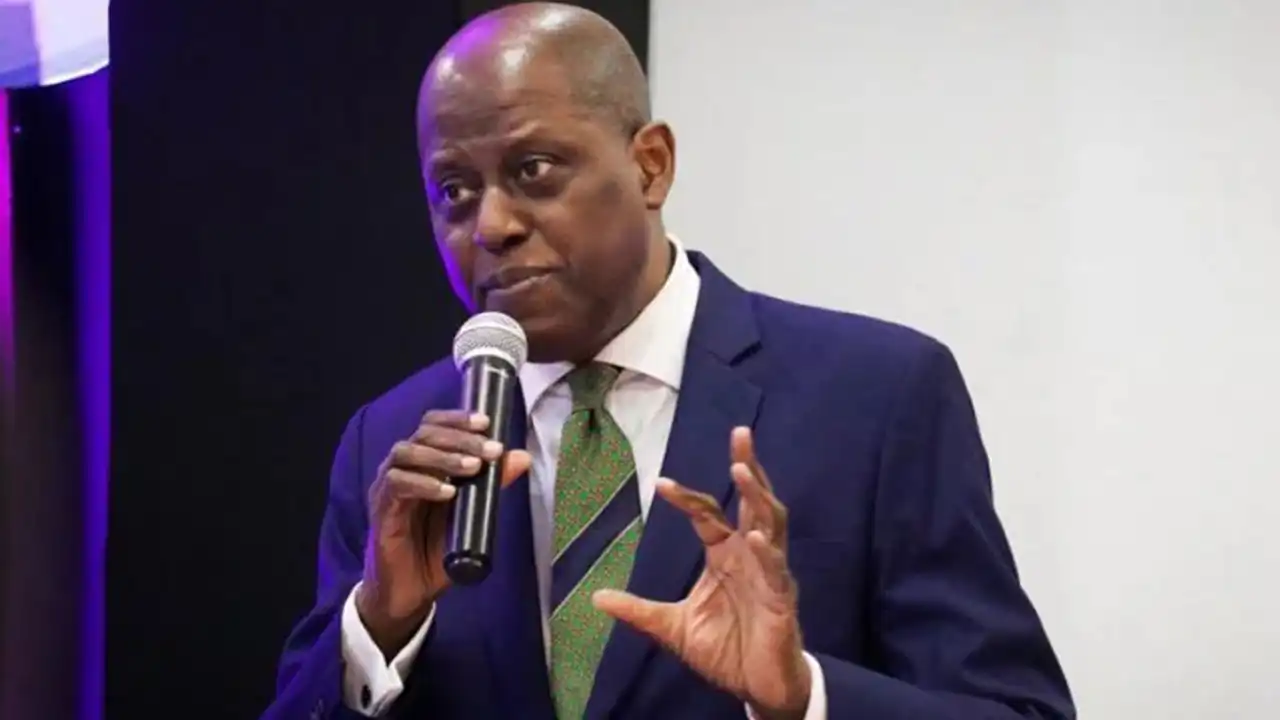
In his remarks at the 2024 First Plenary Assembly of the Catholic Bishops Conference of Nigeria (CBCN) in Abuja, Governor of the Central Bank of Nigeria (CBN) Olayemi Cardoso characterized his role as the second most challenging in the world.
He highlighted the positive impact of the Federal Government’s reforms and actions, expressing hope for a brighter future despite the current difficulties.
The event’s theme, “Synod on Synodality: Areas of Concern for the Church in Nigeria”, set the stage for discussions on pressing issues facing the Church in the country.
“I will continue to remember that despite (my job) the second most difficult job on the face of the planet, this is really something that remains very memorable,” the CBN governor said.
Cardoso, serving as the chairman of the occasion, emphasized the importance of perseverance and foresight in navigating the challenges ahead.
“Due to some of the recent reports from the CBN, over the last week, about $1.8bn came into the markets.
“As long as the country can sustain a positive trajectory, Nigeria will get out of its economic woes, and the foreign exchange market will begin to moderate itself,” he said.
He said the apex bank will soon hold the Monetary Policy Committee (MPC) meeting, where critical decisions will be made to continue making the economy more investor-friendly.
Cardoso said an attempt to merge the official rate with the black market rate had been made, adding that the difference between the two is now significantly lower.
“There is a positive outlook on that. The positive outlook comes from the fact that the federal government and the Central Bank have made a series of reforms, which are now paying off in such a way that international investors are returning in again,” he said.
He said one of Nigeria’s economic advancement problems is finding ways to move beyond being a consumer nation and shelf appetite for foreign goods.
“You have got to move as a country beyond being a consumer nation. And it is something that we, as Nigerians, have been talking about for so long, but we’ve not been able to actualize it.
“The other thing, of course, is to moderate appetite for foreign goods. And that’s closely related to what I had said earlier about becoming a producer nation because, at the end of the day, many of the things you see and many of the things that bother a lot of people for foreign exchange are all essentially down to demand and supply,” Cardoso said.