


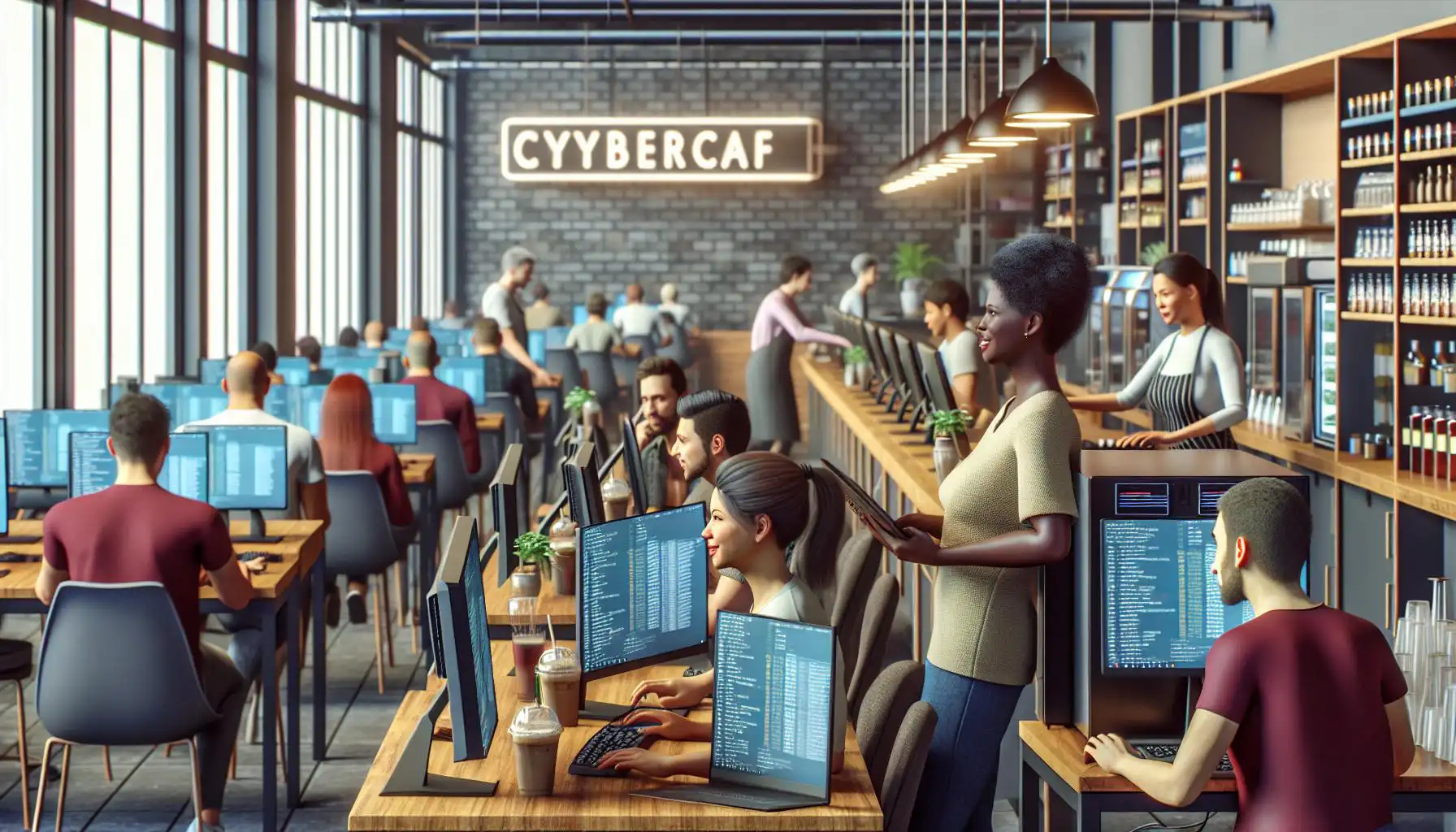
Starting a profitable cybercafe business isn’t as daunting as it seems. With the right guidance, you’ll be on your way to owning a thriving hotspot in no time. I’ve been there, done that, and now I’m ready to share my insights with you.
The demand for internet access, especially in areas where connectivity is limited, makes cybercafes a lucrative venture. It’s not just about providing internet access, though. It’s about creating a comfortable space where people can connect, work, and play.
In this guide, I’ll walk you through the essential steps to start your own profitable cybercafe business. I’ll share tips on location selection, equipment purchase, and how to attract and retain customers. So, let’s dive in and turn that dream cybercafe into a reality.
Understanding the Cybercafe Business
Before you dive into this potentially lucrative venture, it’s crucial to fully understand what you’re getting into. Developing a solid grasp of the cybercafe industry is the first step towards running a successful business.
What is a Cybercafe?
In this digital age, a cybercafe—also known as an internet cafe—serves as an oasis for those seeking internet connectivity. A cybercafe is a place where people can pay a fee to use the internet, usually on high-speed computers provided within the establishment. Catering to a diverse range of needs, these places offer services for browsing the web, accessing emails, online gaming, telecommunication, and even digital printing.
There’s more to a cybercafe than just computers and internet access. A well-run cybercafe includes comfortable seating, a quiet and friendly environment, refreshments, tech support, and possibly a variety of gaming options. It’s essentially a community hub for digital interaction.
Benefits of Starting a Cybercafe Business
Starting a cybercafe business has its unique rewards:
- Inclusion in the Digital Era: Cybercafes play a pivotal role in bridging the digital divide, offering internet access to people who can’t afford personal devices or home internet connections.
- Constant Demand: In areas with limited connectivity, cybercafes provide a vital resource. Students, freelance workers, travelers, and locals alike often require these services.
- Potential for Efficiency: Cybercafes run on a pay-per-use basis. This system takes advantage of periods of high demand and can be very profitable when managed efficiently.
- Community Impact: Beyond profitability, a cybercafe can become a local hub for digital education and social interaction, contributing positively to the community it serves.
A good understanding of this business will set the foundation for your cybercafe. The next step would be to delve into the specifics of the start-up, by exploring the aspects of location selection, equipment procurement, and customer engagement strategies. That’s where we are heading next.
Planning Your Cybercafe Business
Venturing into a cybercafe business requires meticulous planning. It’s not just about setting up PCs and a stable internet connection. To ensure it flourishes and becomes a successful, profitable venture, you need to know your market and have a solid business plan. Let’s delve into each of these critical steps.
Market Research and Analysis
Understanding your market is the backbone of your future cybercafe. Start by identifying your target audience. Who would need your cybercafe services? It might be students needing online resources for study, job seekers scouring the web for opportunities, or even enthusiastic gamers needing high-speed internet connections for competition.
Identifying your competition is also critical. Look around your area: How many cybercafes are already well established? Analyze their operation hours, customer traffic, and pricing model. Pay attention to their services: Do they offer printing? Gaming options? What about privacy booths?
Here are some numbers to pay attention to:
- Percentage of internet users in your area: This shows the potential customer base you might tap into.
- Number of cybercafes within a 2-mile radius: This indicates the level of competition to expect.
- Average pricing per hour in local cybercafes: This will guide your pricing model.
Next, identify potential gaps in the market. Weaknesses in local competition can be your strengths. If everyone has limited operating hours, you could consider a 24-hour model. Maybe there is a lack of proper gaming machines? You could step in with high-grade gaming PCs. The key is to offer something extra, something that sets you apart.
Creating a Business Plan
Now that you’ve got a grip on the market, it’s time to hash out a viable business plan. Your cybercafe’s business plan should outline your strategy across several fronts.
Start with the services you’ll offer. Will it be just internet browsing, gaming, graphic design software, academic research tools, printing, scanning, or a mix of these services? Keep in mind your target audience and the gaps you identified in your market research.
Then comes location. You need a site that guarantees foot traffic. This could be near a university, a shopping mall, or an office building. You’ll need to account for the business premises’ cost – lease, utilities, and even zoning rules.
Then there’s equipment. The PCs, the internet connection, backup power solutions, printer/scanners, gaming equipment – these are the fundamental bones of your cybercafe. All this hardware comes at a cost and is a vital part of your budget planning.
Staffing is another consideration. Your cybercafe needs technical assistance for the hardware and software. Factor in their salaries too.
Setting Up Your Cybercafe
As we delve deeper into the process, let’s talk about setting up your Cybercafe. You’ve done your research, you’ve developed a business plan, now it’s time to get into the nitty-gritty of creating your potential moneymaker.
Location Selection
Choosing the right location is pivotal. When looking for the perfect spot, consider the proximity to schools, businesses, and residential areas. You want to be in a place that’s accessible and visible to a large number of people. Also, remember to check if the proposed location has enough space for proposed customer seating and workstation setup. Should it be close to food outlets or other attractions? Do the pros outweigh any potential cons? It’s details like these that can make a mighty difference to your eventual success.
Equipment Needed
Your choice of equipment will greatly affect the quality of the services you offer. This doesn’t mean that you have to break the bank. Investing in new, high-performance computers may seem like a great idea, but it’s not always necessary. You can consider options like refurbished computers, which are less expensive and may align more with your budget. Additionally, ensure the computers have the necessary software installed for activities your customers may undertake, such as word processing, gaming, and internet browsing.
Next, figure out the peripherals. Do you need printers, photocopy machines, or fax machines? What about a Point of Sale system?
Bear in mind the comfort of your customers, looking into quality chairs and desks with ergonomic design.
Internet Connectivity Options
Good internet connectivity is vital in a Cybercafe. In fact, it’s a make-or-break factor for your business. Opt for a broadband connection with a high bandwidth, ensuring smooth operation, especially during peak hours. You might want to consider having a backup connectivity option, or a secondary internet line in case of any technical hitches with the primary line. Remember, a poor internet connection can lead to loss of business and customer dissatisfaction. So, invest wisely here.
Before we forge ahead, it’s also important to note that learning never ends in this industry. As you go about setting up your cybercafé, always keep an eye for trends, updates, and technology innovations.
Managing Your Cybercafe Operations
Once you’ve got the right location and you’ve outfitted your space with the necessary equipment, it’s time to think about how you’re going to keep your cybercafe running smoothly. That involves staffing, training, a solid pricing strategy, and of course, stellar customer service.
Staffing and Training
Whether you’re operating a small café or running a larger operation, you’ll need a skilled and capable team to handle the day-to-day tasks that keep a cybercafe ticking. You’ll likely need staff to manage the cash register, assist customers, and ensure that the equipment is well-maintained and functioning properly.
Staff training is paramount. Your team should not only be able to handle the basics of customer service but also be savvy enough to provide technical assistance when needed. Remember, customers may come to your café because they lack the skill or equipment to perform certain tasks on their own. So in addition to hiring for technical skill, look for candidates with customer service experience and problem-solving ability.
Pricing Strategy
The cost of services is always top of mind for customers. You’ll need a pricing strategy that allows you to cover your costs while still attracting a steady stream of customers. Consider the cost of your operation—rent, staffing, utilities, equipment maintenance, and internet subscription fees—when setting your prices.
In addition, you might want to offer attractive packages and discounts for frequent visitors, bulk bookings, or longer usage periods. Package prices could greatly influence customer preference and loyalty.
Customer Service
In the world of internet cafés, it’s not just about the computers and the internet connection. The modern customer looks for an experience, and that’s where top-notch customer service comes in. Your staff should always be polite, helpful, and ready to go above and beyond to meet customer needs.
Maintain a clean, comfortable, and inviting environment for your customers. Keep snacks and beverages at hand. Listen to customer feedback and constantly strive for improvement. Offer personalized or innovative services that not only satisfy your customers but convince them to return.
Remember, a successful cybercafe is one that continually adapts to the needs of its customers and stays up to date with the latest trends and technologies. Best of luck with your venture.
Marketing Your Cybercafe
After understanding the business operations of a cybercafe, we’re moving onto a vital part of the business i.e., marketing. Let me assure you, without a well-rounded marketing strategy, even the best-laid plans might see little success. Let’s delve deeper into marketing techniques, both online and local, that can boost your cybercafe’s prominence and profitability.
Online Marketing Strategies
In this digital era, I can’t stress enough the importance of a strong online presence. Your online marketing strategy will play a significant role in attracting a tech-savvy audience to your cybercafe.
Social media platforms like Facebook, Instagram, and Twitter are your best bets for reaching this crowd. Regular posts about the latest games, technical updates, and exclusive cafe offerings will keep potential customers engaged and informed.
Consider creating a sleek, easy-to-navigate website for your cybercafe. A website is like your business’s online home, providing information about your services, pricing, location, and operating hours. It’s also a great place to showcase glowing customer testimonials. Search Engine Optimization (SEO) is crucial for increasing visibility in search results.
Additionally, harness the power of pay-per-click (PPC) advertising. Google Ads, Bing ads, and Facebook ads ensure your cybercafe gets noticed by a larger audience, driving quality traffic to your website.
Local Advertising
Even though we’re in the digital age, don’t underestimate the power of local advertising. Traditional media outlets, like local newspapers, radio stations, and flyers, still command a large audience.
Sponsoring local events, like gaming tournaments or community activities, can help get your cybercafe’s name in the public domain. Partnerships with local schools or businesses might offer opportunities to host computer literacy programs or technical workshops.
Another viable strategy is the use of outdoor advertising. Consider placing eye-catching billboards or banners in high foot-traffic areas. These local advertising methods will create familiarity among prospective customers.
Remember, marketing isn’t done in a day – it’s a continuous effort to communicate your brand’s quality and value to potential customers. You must be proactive, innovative, and adaptable with your marketing strategies.
In the next section, we’ll be talking about the technical aspects of running a cybercafe, including setting up the IT infrastructure. We’ll also discuss the importance of good security measures to protect both your business and your customers from potential cyber threats, so stay tuned.
Financial Management
Following a well-rounded marketing strategy, it’s the nuts and bolts of financial management that would determine the long-term survival of a cybercafe business. Without sufficient understanding of this aspect, even the most innovative marketing tactics won’t help you secure a firm foothold in the market. Hence, let’s delve into the details of budgeting, financial planning, and identifying potential revenue streams for a prosperous cybercafe venture.
Budgeting and Financial Planning
Budgeting acts as the backbone of any successful business plan. While starting a cybercafe, we need to allot a sizable amount of our budget towards purchasing computer systems, peripherals, and acquiring a high-speed internet connection. Additionally, budget provisions must also be made for recurring expenses like electricity bills, internet charges, maintenance, and staff salaries.
Financial planning is the fulcrum that balances both short-term operations and long-term strategies. It involves tracking your cash flow, minimizing overheads, and ensuring that sufficient reserves are maintained for inevitable business downturns.
Remember: Streamlining your budget and perfecting financial planning can help your cybercafe evolve from a small-scale local setup to a major player in the sector.
Revenue Streams
While the primary revenue for a cybercafé is from customers using internet services, it’s essential to identify and develop supplemental revenue streams to maximize profitability.
Here are some potential revenue sources:
- Food and Beverage sales: Cybercafé customers typically spend a great deal of time within the premises. Offering food and drinks will enhance the customer experience and provide additional revenue.
- Gaming: Computer gaming has surged in popularity. Kitting out your cybercafé with popular gaming titles can attract enthusiasts and charge a premium for gaming.
- Printer and Scanning services: A cybercafé can provide services like printing, scanning, and photocopying for another revenue avenue.
- Computer repairs and IT support: Alongside your primary service, offering a repair and support service could dramatically increase revenue.
Exploring and diversifying your revenue streams will keep your business buoyant, even during challenging times.
Our next section will focus on setting up the IT infrastructure. Stay ready to plunge into the critical technical aspects of running an efficient cybercafé!
Q1: Why is financial management important in running a cybercafe?
Financial management ensures the long-term success of a cybercafe. It involves budgeting, financial planning, and recognizing different revenue sources. This helps in allocating the necessary budget for essentials and in balancing short-term operations with long-term strategies.
Q2: Why is it necessary to diversify the revenue sources of a cybercafe?
Diversification of revenue sources beyond internet services, such as food and drink sales, gaming, printer services, computer repairs, and IT support, is crucial. It offers additional income and ensures the sustainability of the business.
Q3: Does financial planning involve budgeting for staff and recurring expenses?
Yes. Financial planning includes budget allocation for essential equipment, recurring costs, and staff salaries. It helps in maintaining a balance between short-term operations and long-term strategies.
Q4: What other subjects does the article discuss apart from financial management?
The article also delves into setting up the IT infrastructure needed to run an efficient cybercafe, along with the financial aspect. This includes IT support, computer repairs, and other related topics.
Q5: Can we always ensure prosperity in a cybercafe business through proper financial planning?
While thorough financial planning and management significantly contribute to the success of a cybercafe, there are other factors involved too. These include the quality of service, location, marketing strategy, and more. But indeed, efficient financial planning serves as a strong foundation.