


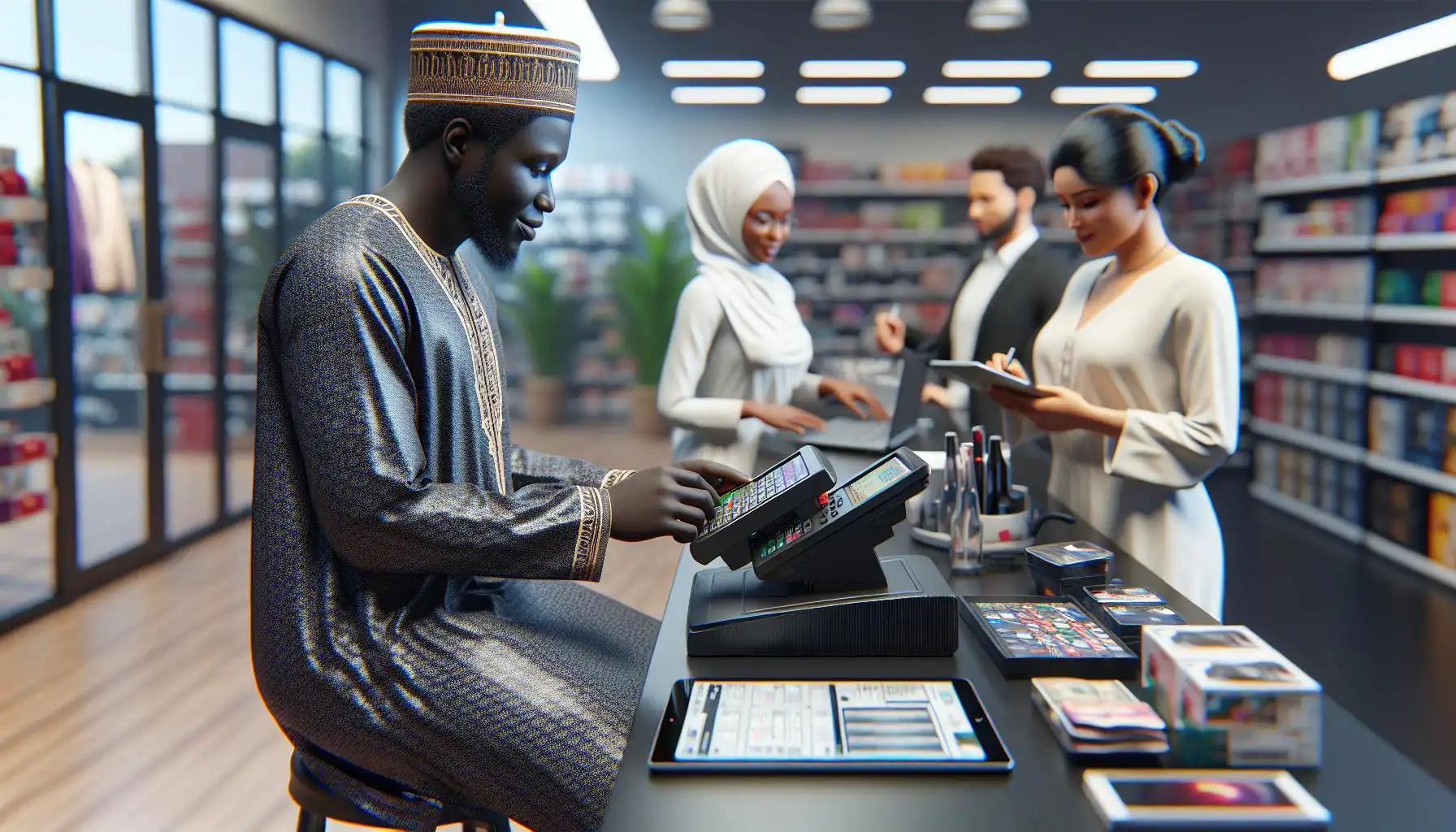
Starting a POS business in Nigeria isn’t as daunting as it might sound. With the right information and tools, you’ll be on your way to owning a thriving business. It’s a venture that’s not only profitable but also contributes to the financial inclusion drive in the country.
In this guide, I’ll walk you through the necessary steps to kickstart your POS business. From understanding what a POS business entails, to the required capital, and the best locations for your business, we’ve got it all covered.
So, whether you’re a newbie looking to break into the business world, or an established entrepreneur seeking new opportunities, this guide is for you. Let’s dive in and explore the world of POS business in Nigeria.
Setting Up Your POS Business
You’ve got an understanding of the POS business, required capital, and you’re ready to take the next step. So let’s dive deeper into how to set your POS business up for success in Nigeria.
Researching the Market
Before setting up your POS business, it’s pivotal to understand the market. In other words, you need to know who your customers are, what they need, and how best to serve them. Conducting a thorough market research would provide valuable insights into the prospective customers’ behaviors, preferences, and patterns, and help you to design your POS business to meet these needs efficiently. Besides customers’ analysis, also make a thorough study of your competitors. Knowing their strengths and weaknesses would give you a competitive edge.
Choosing a Profitable Location
Once you’ve conducted your market research, the next step is to choose a location for your business. The location of your POS business plays a significant role in determining its profitability. Hence, choosing a profitable location goes beyond mere physical attractiveness. Areas with high human traffic, close to markets, schools or business hubs can come across as potential locations. Always check for the availability of power supply, as well as security conditions in the neighborhood before finalizing a location.
Registering Your Business
Finally, after settling for a location, it’s time to register your business.
Most financial institutions ask for a proof of business registration before setting up POS services with them. So, registering your business with the relevant governmental agencies like the Corporate Affairs Commission (CAC) in Nigeria, becomes a non-negotiable step. The process of business registration includes naming your business, filling the appropriate forms, and paying necessary fees. Once you’re done, your business would be furnished with an original certificate of incorporation. The certificate serves as proof of your business’s legitimacy.
There’s so much more to setting up your POS business for success. Still, with these steps, you’re well on your way to having a thriving POS business in Nigeria. Be patient, committed and keep learning as you navigate through the terrain. The world of POS business in Nigeria awaits your venture.
Acquiring POS Equipment
Moving ahead with our journey to set up a successful POS business in Nigeria, the next crucial step is acquiring the right POS equipment. But before we invest our hard-earned money, we need to understand the types of systems available in the market and decide on the appropriate one.
Selecting the Right POS System
The selection of a POS system is a crucial decision for your new business. The right POS system forms the backbone of operations, streamlining sales, inventory, and customer management.
When I started my first POS business, I found out quickly that with so many POS systems available nowadays, it’s not easy to choose the right one. In Nigeria, it’s common to find POS systems from leading firms like Ingenico, Verifone, and PAX.
One of the critical points to consider when selecting a POS system is understanding your specific business needs. Ask yourself, “What features do I need in my POS system?” These could range from sales reporting and inventory management to customer relationship management.
Let’s not forget that, besides features, the affordability of the POS system is equally important. Consider both the initial cost of purchasing the POS machine and the running cost of the system. For instance, some POS systems have monthly fees, while others might have high transaction fees.
Establishing Payment Methods
After we’ve decided on the POS system, it’s time to move on to the next step – establishing payment methods. As the success of a POS business largely depends on the ease of transaction for the customers, your POS system must support several payment methods.
In Nigeria, most transactions are still cash-based, but the number of electronic transactions is growing rapidly. To cater to different customer preferences, your POS system should allow payment through bank cards, mobile money, and other online payment methods.
In addition, it’s happened more than once that a customer wanted to make a purchase, but due to a network failure, they couldn’t. To prevent such scenarios, it’s beneficial to have a POS system that supports offline transactions.
Now that we’ve taken the steps to acquire our POS equipment, we continue on to the next stage of our POS business journey: Staffing and training. More on that in the next section, so stay tuned.
Marketing Your POS Business
Creating a Brand Identity
Building a successful POS business in Nigeria isn’t just about buying the right equipment and offering diverse payment options; it equally involves creating a strong brand identity.
A brand is more than a logo or a tagline. It’s the entire customer experience, from your marketing materials to your customer service. It’s what your business stands for, what you promise to your customers, and how you consistently deliver on that promise. So, how do you design a brand identity that resonates with your target customers?
First, identify your ideal customers. What characteristics define them? What do they value? What problems are they trying to solve?
Second, craft your brand message. It should be simple, clear, and reflect what your business does and why it matters. This message is what will get across to your audience why they should choose your POS services over others.
Third, design your logo, typographies, color scheme, and marketing materials in alignment with your message. A professionally designed logo can create a positive impression and encourage customers to patronize your product.
Lastly, deliver a consistent brand experience. Whether it’s through your website, print materials or physical store, every touchpoint should reflect your brand identity.
Implementing Digital Marketing Strategies
In today’s digital age, online marketing is an efficient and cost-effective way to reach a larger audience. For a POS business in Nigeria, leveraging various digital platforms can drive traffic, boost visibility, and increase sales. My suggestions:
Social Media Marketing: Virtually everyone is on one platform or the other making it one of the powerful tools you can utilize. Regularly posting relevant content and interacting with your audience can establish credibility and widen your customer base.
Search Engine Optimization (SEO): Optimize your website to rank high on search engine results in order to get visibility from individuals searching for your services. Having a blog section where you post articles related to POS benefits, usage guides, and troubleshooting tips can position you as an authority in the field.
Email Marketing: This strategy helps in maintaining a personal touch with your customers by sending newsletters, offering special deals, or letting them know about any upcoming changes to your service.
Online Ads: Investment in online advertisements especially on platforms such as Google AdWords or Facebook advertising can bring in immediate visibility and results.
These digital marketing strategies, when employed effectively, can take your POS business to new heights. Remember, the beauty of these strategies is in tracking their performance and adjusting as necessary to maximize ROI.
Providing Excellent Customer Service
In building your POS business in Nigeria, offering top-notch customer service is a non-negotiable factor. After all, in this kind of business, it’s almost impossible to overstate the importance of putting your customer first and taking care of their needs. In doing so, you’ll foster both loyalty and referrals, as a satisfied customer often serves as one of the most persuasive marketing tools. Let’s take a look at what high-quality customer service entails, from staff training to the prompt resolution of technical issues.
Training Your Staff
When we talk about the first line of contact between your brand and your customers, we’re talking about your staff. So, it’s critical that they reflect the level of service you want to offer. They should be knowledgeable, polite, and proficient. Most importantly, they need to feel confident handling transactions and customer enquiries. In essence, your staff should be brand ambassadors, embodying your business’s brand identity.
This doesn’t just happen by chance. You need to invest in training your staff. Orientation is an essential first step upon hiring, it lays the groundwork for understanding the company policies and the expectations of their role.
Ongoing training should also be emphasized, as it equips your staff with the necessary skills to offer outstanding service. Role-play scenarios, for example, can be an engaging and practical way to hone their skills. Additionally, encourage learning outside of work. There are a host of resources available, from books and podcasts to online courses, depending on the learning styles of your employees.
Resolving Technical Issues Promptly
As a POS business, you’re dealing with technology that could encounter glitches or issues from time to time. The way you respond to these situations can mean the difference between a temporary inconvenience and a frustrated customer.
Customer service in this regard involves promptly addressing technical issues that your customers might face. Ensure you have a team in place ready to rectify these hitches, whether it’s a faulty POS machine or issues with transactions. Digital solutions such as online ticketing systems for reporting and tracking problems, can significantly streamline this process.
Speaking of technology, consider investing in remote troubleshooting solutions. This way, some issues can be resolved without the need for a physical visit, thus saving both time and money.
Customer service extends from taking care of interactions with your clients to ensuring they get the best experience even in the face of technical difficulties. The aim isn’t to avoid these issues completely – trust me, that’s unrealistic! Instead, strive to turn these potential drawbacks into opportunities to demonstrate your dedication to exceptional service and constant improvement. A little hiccup handled well could even enhance your brand’s reputation and inspire more trust. Remember, the customer is the lifeblood of your POS business in Nigeria – treat them accordingly.
Frequently Asked Questions
Q1: Why is excellent customer service crucial in building a POS business in Nigeria?
In a POS business in Nigeria, excellent customer service can foster customer loyalty and referrals. It elevates the customer’s experience, ensuring their satisfaction and repeat business.
Q2: What is the role of staff training in providing excellent customer service?
Staff training instills the desired level of service and brand identity in employees. By undergoing training, employees learn to promptly resolve technical issues, reflecting commitment to exceptional service and continuous improvement.
Q3: What strategies are suggested to improve customer service in POS business?
The article suggests investing in ongoing staff training and utilizing digital solutions for resolving issues. It also encourages turning technical difficulties into opportunities to showcase your company’s dedication to providing outstanding service.
Q4: How does customer service enhance the overall customer experience?
Customer service improves the overall experience by promptly resolving technical issues, making customers feel valued and cared for, thereby boosting satisfaction and future business.
Q5: How can technical issues be used as opportunities?
Technical issues can be used as opportunities to demonstrate the company’s commitment to continuous improvement. Handling these issues quickly and efficiently can impress customers, generating loyalty and positive word-of-mouth.