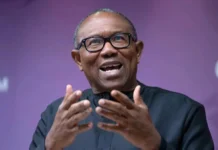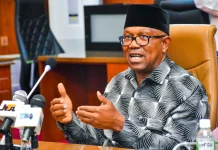


Former presidential candidate and Labour Party figure Peter Obi has shared his stance on tackling insecurity in northern Nigeria, stressing that real solutions lie in development and national unity, not political endorsements from a few powerful figures.
Speaking during an interview on Arise TV, Obi pointed to deep-rooted ethnic and religious divisions as major drivers of insecurity in the country, calling for leadership that prioritises unity above all else.
“We need leaders who will unite us as a country. Religion and tribe should not define our future,” he said.
According to him, lasting security cannot be achieved without first creating a stable environment that encourages growth, dialogue, and collective progress.
“We need a secure Nigeria where we can discuss issues that will help us build a better future,” he added.
Addressing speculations surrounding his potential 2027 presidential ambition, Peter Obi made it clear that while collaboration with key stakeholders is important, no single individual holds the power to determine electoral success.
“I will work with them so they can support the process, but Nigeria is bigger than individuals,” he stated.
He further emphasized that solving insecurity in the North requires deliberate investment in critical sectors such as agriculture, education, and healthcare, alongside efforts to reduce poverty.
“If we want to secure the North, we must invest in agriculture, reduce poverty, and improve education and healthcare,” he said.
Highlighting the region’s economic potential, Obi noted that agriculture could outperform oil as a major source of revenue if properly developed.
“We can make more money from agriculture than we currently make from oil, but we must start investing now,” he explained.
Drawing from his global exposure, he added that while Nigeria can learn from successful models abroad, security must remain the foundation for any meaningful development.
“You cannot achieve development without first ensuring security,” he concluded.
His remarks come as political alignments begin to take shape ahead of the 2027 general elections, with increasing attention on strategies to build nationwide support.