
President Bola Ahmed Tinubu has approved the allocation of plots of land in Abuja to Nigerian ambassadors and high commissioners-designate, in a move being seen as both symbolic and strategic for the country’s diplomatic corps.
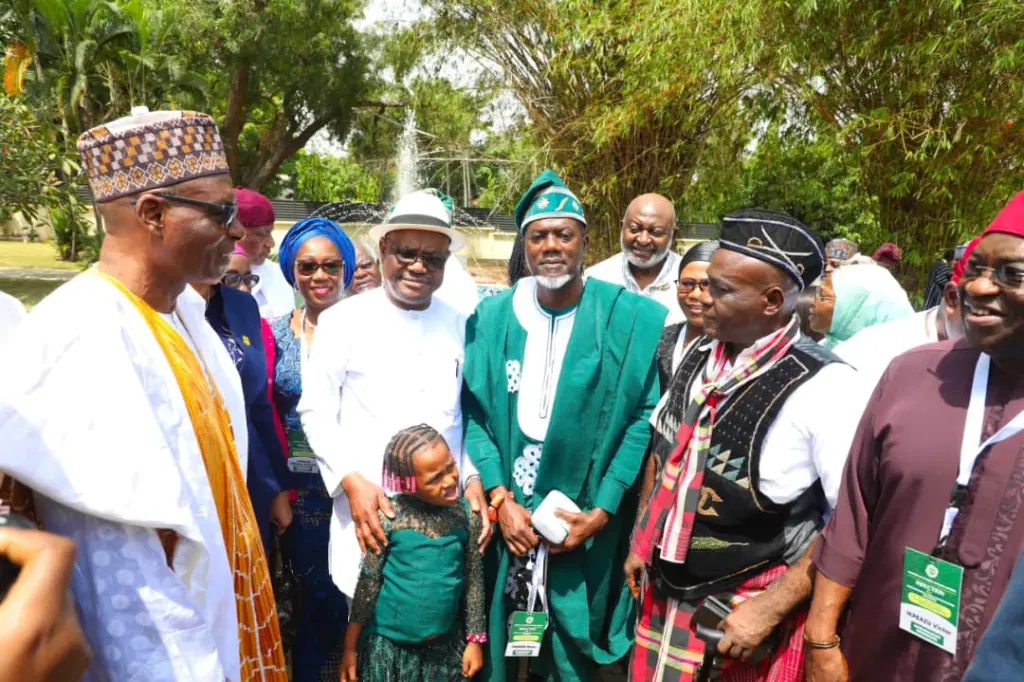
Nyesom Wike disclosed the development during a meeting with the envoys at his official residence in Life Camp, Abuja, where he received the delegation as part of an induction program for newly appointed diplomats.
Dunoma Umar Ahmed, Permanent Secretary of the Ministry of Foreign Affairs, led the delegation.
According to Wike, the president approved the gesture to ensure Nigeria’s overseas representatives have a permanent base in the Federal Capital Territory whenever they return for consultations and official engagements.
“The President believes that most of you do not have a place in Abuja,” Wike said, explaining that each envoy would be given forms to begin the application process for land allocation.
He framed the decision as an encouragement for diplomats to establish a lasting presence in the capital rather than rely solely on temporary arrangements during official visits.
Beyond the land allocation, the meeting also became a platform for broader remarks on diplomacy and national representation.
Wike reminded the envoys that they carry the country’s image abroad and said their conduct and effectiveness will shape how Nigeria is perceived internationally.
“You are, in essence, the mirror of this country. The way the world sees you is the way it will see Nigeria,” he said.
He also urged them to deepen the administration’s economic diplomacy efforts, linking their responsibilities to President Tinubu’s foreign investment drive.
According to him, the president’s international engagements have focused heavily on attracting partnerships and capital into Nigeria, and diplomats must now help sustain that momentum.
“It is now your role to reinforce that effort by building confidence in Nigeria as a viable destination for investment,” he said.
The announcement has drawn attention not only because of the unusual land allocation gesture, but also because it reflects an effort to combine welfare considerations for diplomats with broader expectations around foreign policy and investment promotion.
For many observers, the move underscores the administration’s effort to tie the diplomatic service more closely to its economic agenda, while also providing a notable benefit to members of Nigeria’s foreign service.