


Oklahoma weather is the reason whole-home generators have moved from a luxury purchase to a practical one for many Tulsa-area homeowners.
The state sits at the intersection of three weather systems that regularly knock out power: spring tornadoes and severe thunderstorms, summer heat waves that stress the grid, and winter ice storms that bring down lines for days at a time.
The December 2023 ice storm and the May 2024 derecho both left parts of the Tulsa metro without power for extended stretches, and PSO outage maps showed pockets that took five days or more to come back.
A whole-home generator turns those outages from a crisis into an inconvenience. Here is what homeowners should know before making the call.
Whole-home versus portable
A portable generator is a gasoline-powered unit that runs an extension cord into a few appliances. It is cheap, loud, and limited to one or two essentials at a time, plus you have to remember to refill it and store fuel safely.
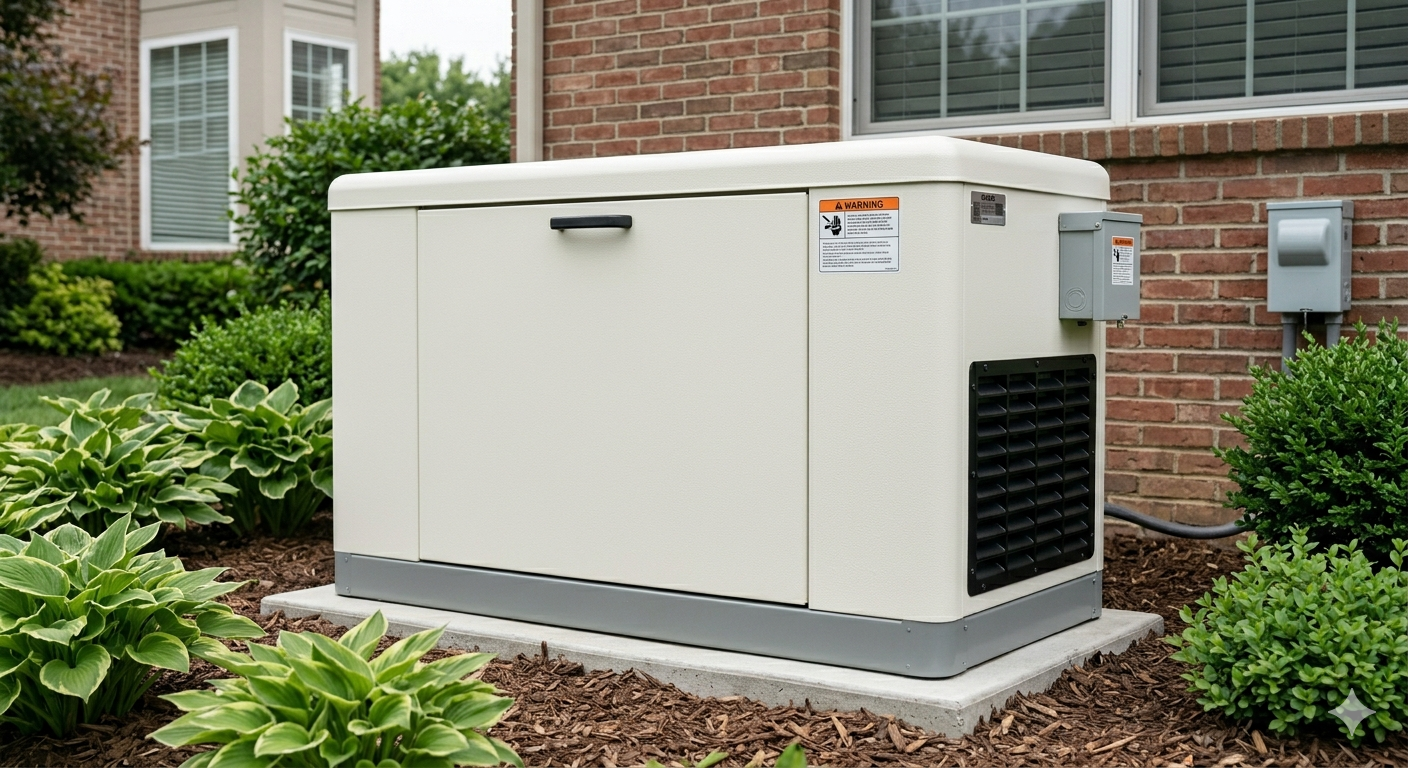
A whole-home generator is a permanently installed natural gas or propane unit that detects an outage automatically and runs your entire electrical panel, including HVAC, refrigeration, water heater, and most outlets.
For homes with central air, well pumps, sump pumps, or medical equipment that needs continuous power, the whole-home option is the only practical answer. Portables can supplement, but they cannot replace.
Sizing your generator
Generator sizing is a load calculation, similar to electrical panel sizing. A licensed electrician adds up the wattage of every circuit you want covered during an outage and selects a unit with capacity to spare.
A typical Tulsa-area home with central HVAC, electric appliances, and a well or sump pump needs somewhere between 18 and 26 kilowatts of generator capacity. Larger homes with two HVAC systems or a workshop may need 30 to 38 kilowatts.
Undersizing is the most common mistake. A 14kW unit might run cheaper, but it will trip when the central air starts under load. Better to spend more once than chase phantom problems for the life of the system.
Fuel source
Most whole-home installations in the Tulsa area run on natural gas if the home is on a city gas line, or propane if not. Natural gas means unlimited runtime as long as the gas utility holds up.
Propane requires a tank but offers more independence, and a 500 gallon tank can run a properly sized unit for a week or more on a single fill. A licensed installer can run both options through the cost math during the site survey.
The install process
A proper whole-home install includes a site survey, load calculation, permit pull with the Tulsa County AHJ, gas line connection, transfer switch installation in the electrical panel, concrete pad pour for the unit, and a final inspection.
Plan on two to three weeks from contract signing to final commissioning. The actual on-site install runs one to three days depending on gas line routing and panel accessibility.
Maintenance and what fails first
Whole-home generators need an annual service: oil change, filter replacement, battery check, and a load bank test. Skipping the annual means the unit may not start when you need it.
The battery is the most common point of failure. Cold weather drains them, and a generator with a dead battery is just an expensive lawn ornament. A maintenance contract is the easiest way to keep up.
The right time to install is now, before storm season hits its peak. Lead times stretch in May and June as orders pile up, and a transfer switch installation done in mild weather is easier than one done during an active outage event.
Half Moon Plumbing and Electric handles whole home generator installation across the Tulsa metro, including gas line work, transfer switch installation, and annual service contracts. Licensed for plumbing and electrical work in Oklahoma.
Reference: National Weather Service severe weather safety guidance.