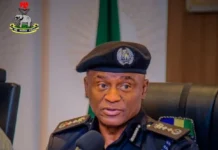


Inspector-General of Police Tunji Disu has ordered serving officers of the Nigeria Police Force to immediately stop engaging in unauthorised social media activities, including creating videos, live streaming, posting skits, and monetising content on platforms such as TikTok, Instagram, Facebook, and YouTube.
The directive was contained in an internal circular dated June 22 and issued from the Office of the Inspector-General of Police at the Force Headquarters in Abuja.
According to the circular, officers who violate the new policy risk severe disciplinary measures, including interdiction, forfeiture of salary, demotion, dismissal from service, and possible criminal prosecution.
The document is referenced as SB:4065/IGP.SEC/FHQ/ABJ/VOL.1/11 and marked “Restricted – For Official Use Only,” was distributed to senior police officials nationwide, including commissioners of police, assistant inspectors-general, heads of departments, commanders of formations, and the commandant of the Police Mobile Force.
The circular stated that the police leadership is increasingly concerned about the growing number of officers using social media platforms without official authorisation.
“I am directed by the Inspector-General of Police to draw the attention of all Commands, Formations, Departments and Units to the growing and most disturbing trend of police officers and men creating and publishing videos, conducting live sessions, and participating in social media platforms particularly TikTok, Instagram Reels, Facebook Live, YouTube, and similar platforms while in police uniform or in circumstances that identify them as members of the Nigeria Police Force, without lawful authority,” the circular stated.
According to the directive, some officers have turned social media into platforms for entertainment, personal branding, and commercial activities, in ways that could affect the Force’s image.
Under the new rules, officers are prohibited from:
Creating or sharing videos, photographs, skits, live streams, or other content while wearing police uniforms or within police facilities without written approval.
Operating personal or anonymous social media accounts for entertainment, promotion, or commercial purposes linked to their identity as police officers.
Publicly commenting on police investigations, transfers, promotions, disciplinary matters, or other official police business.
Accepting sponsorship deals, endorsements, monetisation arrangements, or commercial partnerships connected to their position within the Force.
Sharing classified information relating to police operations, personnel, deployments, or security strategies.
Making statements on political issues, government policies, or controversial public matters while identifying as police personnel.
The circular also introduced a policy of supervisory accountability, making senior officers responsible for violations committed by personnel under their command.
Commissioners of Police, Area Commanders, Divisional Police Officers, and other supervisors have been directed to actively monitor the online activities of officers under their supervision. They may face disciplinary action if they fail to report breaches.
Police commands across the country have been instructed to communicate the directive to all personnel within 7 days, while officers are required to acknowledge in writing their receipt and understanding of the policy.
Compliance reports are expected within 14 days and are to be submitted through the Deputy Inspector-General of Police in charge of Operations.
In addition, the Force Intelligence Bureau and the Professional Standards Department (X-Squad) have been tasked with monitoring social media platforms and identifying officers who violate the directive.
Serving officers who currently operate content-creation accounts linked to their police identity have been given 14 days to either deactivate such accounts or remove any association with the Nigeria Police Force.
Explaining the rationale behind the directive, the circular stated:
“The Nigeria Police Force is a disciplined institution whose effectiveness depends on public trust, institutional integrity, and the professional conduct of every officer. The Inspector-General of Police is committed to maintaining the highest standards of professionalism and will not tolerate conduct that undermines the image and operational effectiveness of the Force.”