


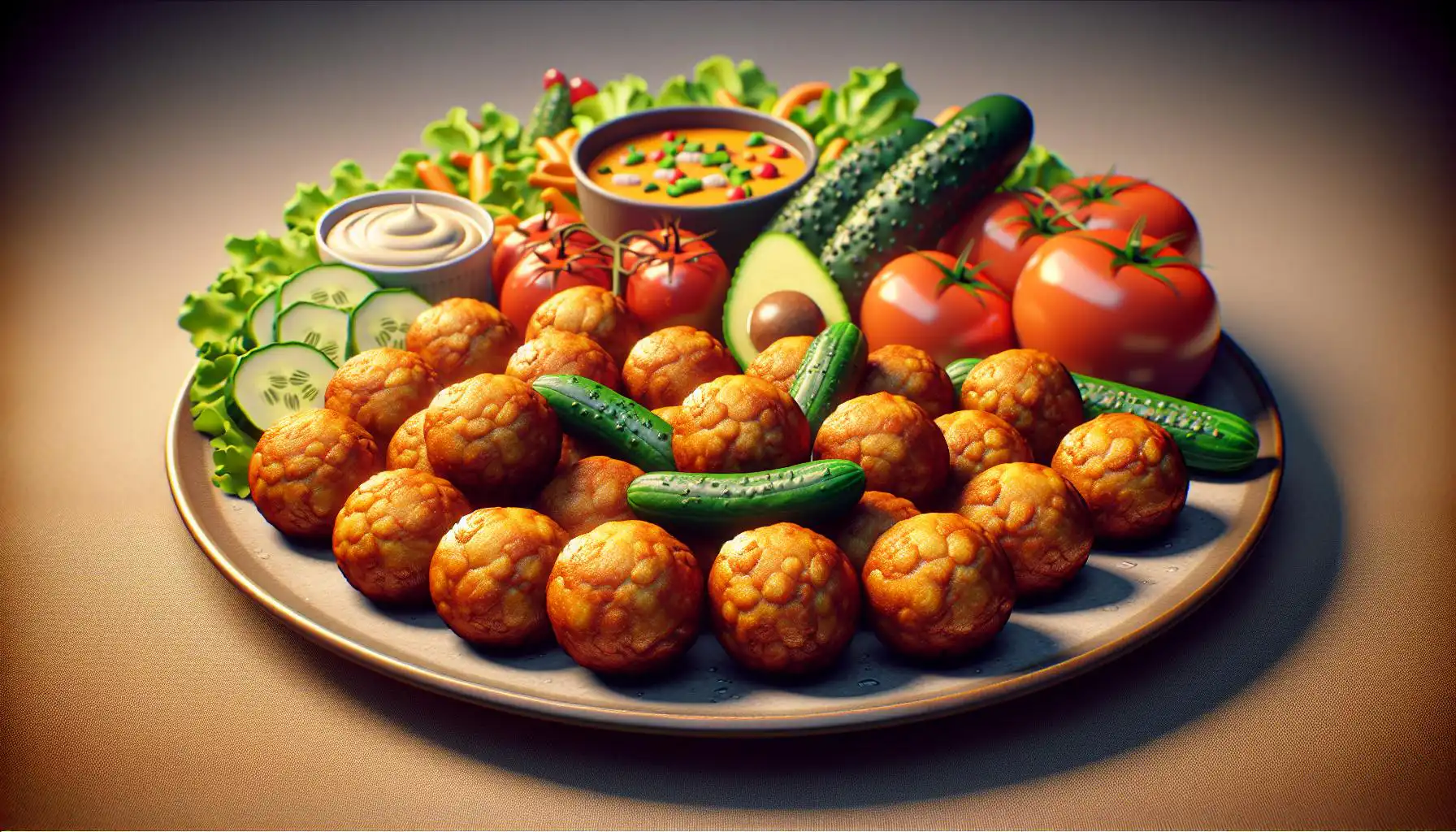
Getting Started with Akara
Ingredients for Akara
I like to keep my akara recipe simple. All I need is black-eyed peas, onion, scotch bonnet pepper, salt, and vegetable oil.
Equipment Needed
When making akara, I always make sure to have a blender or food processor, a deep pan for frying, and a slotted spoon for turning the akara in the oil.
Preparing the Beans
To prepare the beans for akara, I soak them in water overnight to soften them. Then, I blend the soaked beans with onion, scotch bonnet pepper, and a little water to form a smooth batter.
Question for Featured Snippet:
What are the basic ingredients needed for making akara?
Answer:
To make delicious akara, you will need black-eyed peas, onion, scotch bonnet pepper, salt, and vegetable oil.
Making the Akara Batter
Blending the Ingredients
I start by blending the soaked black-eyed peas with chopped onion, scotch bonnet pepper, and a bit of water until I achieve a smooth batter.
Adjusting the Consistency
To get the perfect texture for frying, I ensure the batter is thick enough to hold its shape when scooped into the oil but not too thick that it becomes dough-like.
Adding Seasonings
For a flavorful kick, I add a pinch of salt to taste to the batter before frying the Akara balls.
Question: What are the key steps to making the Akara batter?
Answer: The process involves blending soaked black-eyed peas with onion, scotch bonnet pepper, and water to create a smooth batter. Adjusting the consistency ensures the right texture, while a touch of salt adds flavor before frying.
Frying the Akara
Heating the Oil
When Heating the Oil for frying Akara, I make sure it reaches the right temperature by testing with a small piece of batter. The ideal temperature is when the tiny batter sizzles and rises to the top quickly without burning.
Frying the Akara Balls
To ensure perfectly fried Akara balls, I use a deep pot to prevent oil splatter and carefully drop spoonfuls of batter into the hot oil. I maintain an even heat throughout to achieve a golden-brown color on all sides.
Draining and Serving
After Frying the Akara, I drain excess oil by placing them on a paper towel-lined plate. This helps remove any residual oil, keeping the Akara crispy. Once drained, I serve the Akara hot and enjoy it with a side of spicy pepper sauce.
Question: How do you know when the oil is ready for frying Akara?
Answer: The oil should be hot enough when a small piece of batter sizzles and rises to the top quickly without burning.
Variations of Akara
Adding Vegetables
When it comes to making Akara, one interesting variation to consider is adding vegetables to the batter. I often include finely chopped onions, bell peppers, and even some fresh parsley to enhance the flavor and add a delightful crunch to the Akara balls. The vegetables not only contribute to the overall taste but also provide additional nutrients, making this variation a flavorful and nutritious option for Akara lovers.
Using Different Beans
Another way to put a unique spin on your Akara recipe is by using different types of beans. I sometimes blend black-eyed peas with cowpeas or even lentils to create a twist on the traditional Akara batter. Each type of bean brings its own distinct flavor and texture to the dish, allowing for a creative and diverse experience with every batch of Akara.
Featured Snippet Question: What are some variations of Akara to try?
Featured Snippet Answer: Two popular variations of Akara include adding vegetables like onions and bell peppers to the batter for added flavor and using different beans such as black-eyed peas and lentils to create a unique twist on this traditional dish.
Tips for Perfect Akara
Consistency is Key
When making Akara, the consistency of the batter is crucial for achieving the right texture. Ensure the batter is smooth and well blended to create fluffy and light Akara balls.
Oil Temperature Matters
To achieve crispy and golden Akara, maintain the oil temperature throughout the frying process. Hot oil ensures that the Akara cooks quickly, forming a crisp exterior while maintaining a soft interior.
Soaking Beans for Easy Blending
Soaking the beans before blending makes the grinding process easier and results in a smoother batter. Soak beans for a few hours or overnight, depending on the type of beans used, to reduce blending time and achieve a creamy consistency.
Question: Why is consistency important when making Akara?
Answer: Achieving the right consistency ensures that the Akara batter is smooth, leading to light and fluffy Akara balls.
Frequently Asked Questions
1. What are some ways to enhance the traditional Akara dish?
Adding vegetables like onions and bell peppers to the batter can enhance flavor and crunch. Using different beans like black-eyed peas and lentils creates unique twists and adds additional nutrients.
2. What is the secret to achieving light and fluffy Akara balls?
Consistency in the batter is crucial for light and fluffy Akara balls. Ensure the batter is well mixed and has the right texture before frying.
3. How can I ensure crispy results when frying Akara?
Maintain the oil temperature consistently throughout the frying process. This helps achieve crispy Akara balls without absorbing excess oil.
4. Why is soaking beans before blending important?
Soaking beans before blending helps in creating a smoother batter. It also aids in easy blending, ensuring a uniform texture for the Akara mixture.