


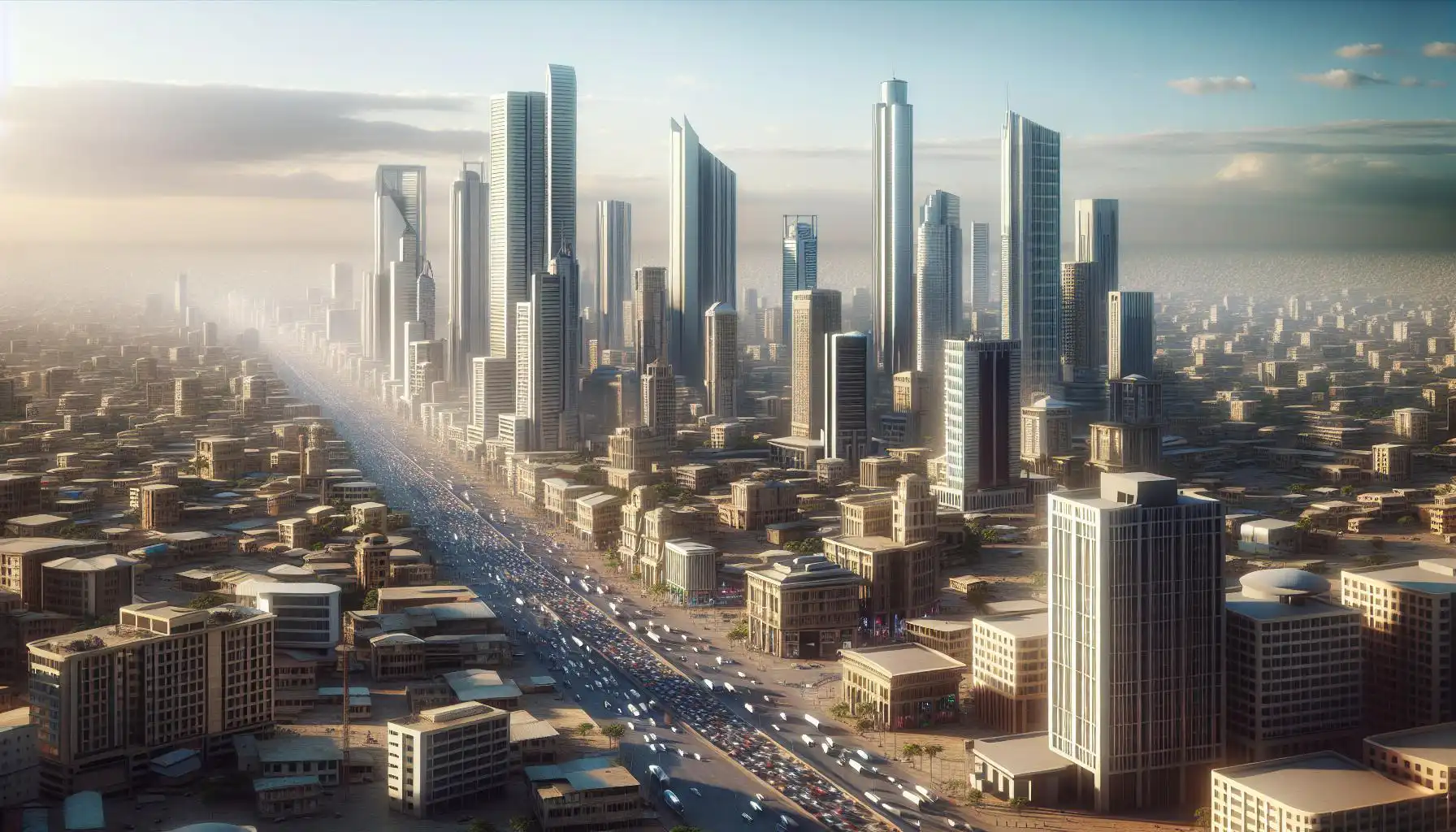
Africa’s often viewed as a continent that’s still developing. Yet, it’s home to some of the most developed and vibrant cities in the world. Let’s shatter those misconceptions and dive into the heart of Africa’s urban landscapes.
From the bustling cityscapes of Johannesburg to the tech hubs of Nairobi, Africa’s cities are a testament to the continent’s rapid development. They’re not just economic powerhouses, but cultural melting pots that offer a unique blend of tradition and modernity.
Factors Contributing to Development
Progress and development of any region aren’t aspects that appear magically. They’re catalyzed by specific contributory elements that foster growth and pave the way for a region’s prosperity. As we journey through Africa’s most developed cities, let’s delve into key factors that have played vital roles in this progression.
Economic Stability
A sturdy economy is the backbone of any developed city. In Africa, economic stability has been the fuel that has powered the explosive growth of its major cities. Take for instance, Johannesburg — fondly known as Africa’s economic powerhouse. It didn’t get this name by fluke. Johannesburg boasts an economy that’s robust, diversified and growing steadily, largely due to its thriving gold and diamond industries.
Statistics back this point. According to a report by Statista, GDP in South Africa soared from 418.14 billion dollars in 2015 to 351.43 billion dollars in 2020.
| Year | GDP (in billions) |
|---|---|
| 2015 | 418.14 |
| 2020 | 351.43 |
Infrastructure
Infrastructure forms the skeletal support that bolsters any city into becoming developed. It’s visible in skyscrapers dotting the skylines, the endless networks of well-maintained roads, and structures that come to life under the weight of architectural genius. Africa’s developed cities aren’t lacking in this department. Case in point: Nairobi, Kenya’s capital and one of Africa’s most developed cities. Known for its advanced infrastructural framework, Nairobi has emerged as an icon of development.
Education
Knowledge, they say, is power. And when it comes to growth and development, education bears a gargantuan weight of importance. Education sparks ideas, fosters innovation and helps to shape a competent workforce. It’s no wonder this factor has been instrumental in the development of African cities. Cities like Cape Town have leveraged the power of education to form a solid bedrock for their growth. The city is home to some of Africa’s best educational institutions – a testament to the prominence it places on learning.
On that note, we’ll continue to unravel the layers that constitute Africa’s progression, appreciating not just the outcome, but the journey and elements fostering it.
Top 5 Most Developed Cities in Africa
As we continue to explore the landscape of Africa’s metropolitan powerhouses, let’s shift focus to the top 5 most developed cities. Threaded by economic stability, robust infrastructure, and a strong emphasis on education, these cities are the exemplars of success in the African continent.
Accra, Ghana
Venturing to West Africa, we find Accra: the heart of Ghana’s economic vibrancy. Accra’s development hinges on various factors including a stable political climate and a booming real estate industry. More so, its cultural offerings coupled with a thriving tourism sector make Accra a beacon of growth.
The richness and diversity of the city’s economy, which spans from manufacturing to ICT, has paved the way for an array of opportunities. The financial sector in Accra is especially robust, with several major banks and insurance firms headquartered here.
Cape Town, South Africa
Down south, Cape Town emanates a unique blend of natural beauty and economic prowess, attracting both tourists and investors alike. This city is a testament to South Africa’s focus on education as the linchpin for development.
Home to some of South Africa’s top universities and tech-driven start-ups, Cape Town’s innovative education policies serve as a driving force to its development. The tech industry has witnessed exponential growth, positioning Cape Town as Africa’s leading tech hub.
Nairobi, Kenya
Let’s move east to Nairobi, a shining beacon in East Africa. A city deeply rooted in rapid technological advancement and superior infrastructure, Nairobi heralds as Kenya’s financial and political epicenter. Its strategic positioning as a gateway to East Africa has enhanced its global visibility and investor attractiveness.
Nairobi’s thriving ICT sector—aptly nicknamed “Silicon Savannah”—has catapulted Kenya onto the global stage. Moreover, the city’s unparalleled emphasis on infrastructural growth has seen new developments in transport logistics, housing schemes and solar power generation, providing a more sustainable foundation for continued progress.
Johannesburg, South Africa
Finally, we touch down in Johannesburg named the “City of Gold”, thanks to a regional economy that’s historically driven by gold and diamond mining. Today, Johannesburg is a pulsating metropolis, humming with a diverse array of industries from finance to manufacturing.
Replete with mega structures, numerous industries, amplified infrastructure and a dynamic population, Johannesburg is not just South Africa’s biggest city; it has grown to be the economic heartbeat of the continent. It’s a city that perfectly embodies the transformative potential of urbanization when powered by strong economic policies and sustainable planning.
Frequently Asked Questions
What cities are highlighted in this article on Africa’s most developed cities?
This article spotlights five noteworthy African cities: Accra in Ghana, Cape Town and Johannesburg in South Africa, Nairobi in Kenya, and one other undisclosed city. They were chosen for their economic vibrancy, stability, and focus on education and technological advancement.
Why is Accra mentioned as a developed city in Africa?
Accra, Ghana’s capital, stands out in the article for its economic vibrancy paired with a stable political climate, making it a significant metropolis in Africa.
What reasons are given for Cape Town’s development?
The article attributes Cape Town’s development primarily to its emphasis on education and its burgeoning tech industry.
Why is Nairobi considered as a developed city?
Nairobi, in Kenya, has experienced substantial technological advancement and infrastructure development, resulting in a heightened level of urbanization and development.
How is Johannesburg considered in terms of development?
Johannesburg is depicted in the article as a diverse metropolis, driven by various industries that contribute to its development and make it a key part of South Africa’s economy.
Why are economic stability, infrastructure, and education important for growth and prosperity?
Economic stability, infrastructure, and education are vital because they create a conducive environment for investment, industry growth, and societal development, which contribute to the overall prosperity and growth of a region.