
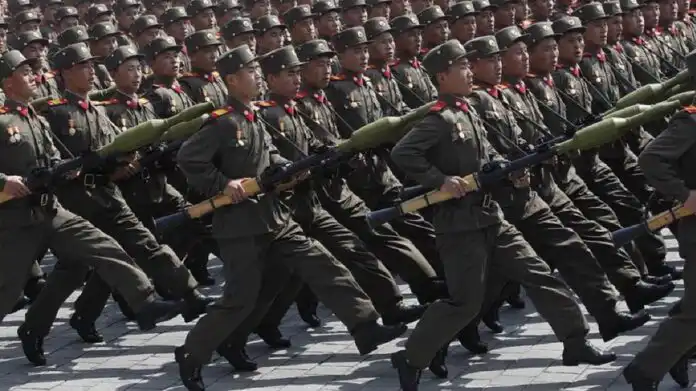
The conflict between Russia and Ukraine has intensified, with South Korean intelligence confirming that 12,000 North Korean soldiers, including elite special forces, are now stationed in Russia, preparing to enter the fight against Ukraine.
This unprecedented military alliance raises serious concerns about the future of the conflict and global security. Videos shared on social media, validated by Ukrainian intelligence, reveal the presence of North Korean troops in Sergeevka, located in Russia’s Primorsky Territory.
Ukrainian President Volodymyr Zelensky has expressed deep concern, stating that the partnership between Russia and North Korea has escalated beyond just arms deals, now involving the deployment of personnel to the battlefield.
With over 12,000 soldiers expected to be combat-ready by November 1, the stakes are increasingly high.
According to the BBC, integrating North Korean soldiers into Russian forces may be challenging due to language barriers and their lack of military experience. Reports suggest that the North Korean troops have been outfitted with Russian uniforms and weapons, effectively disguising their identities as they prepare for combat. This move strengthens Russia’s military forces and adds complexity to the global geopolitical situation.
International reactions have been swift. France has called this cooperation alarming, warning that it could escalate the conflict and draw in more countries. UK Prime Minister Keir Starmer indicated that North Korea’s involvement reflects Russia’s growing desperation to secure a victory in the war.
The deployment of North Korean soldiers is not just a logistical action but a signal of a deepening alliance between two nations increasingly isolated on the global stage. After a recent agreement between Kim Jong Un and Vladimir Putin, both countries have pledged mutual military support in case of armed conflict.
BREAKING:
A large number of North Korean soldiers have arrived in Russia and are preparing to enter Ukraine. pic.twitter.com/s4hMu3rxAP
— Globe Eye News (@GlobeEyeNews) October 18, 2024