
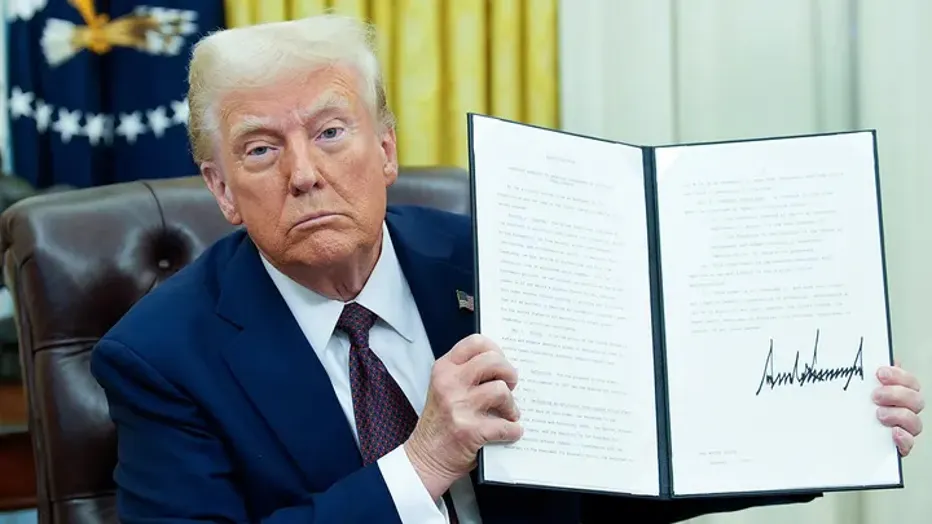
President Donald Trump is set to sign an executive order today designating English as the official language of the United States, a first in the nation’s nearly 250-year history.
This order rescinds former President Bill Clinton’s mandate that federally funded agencies provide language assistance to non-English speakers. Going forward, agencies will have the discretion to offer services in languages other than English as they see fit.
The administration asserts that this move aims to unify Americans under the most commonly used language, noting that while over 350 languages are spoken in the U.S., English is the most prevalent.
However, advocates express concern that this change could create barriers for non-English speakers in accessing essential services, participating in civic activities, and exercising voting rights.
They argue that it may lead to increased discrimination and xenophobia, potentially hindering the integration of immigrants and affecting communities that rely on multilingual support.
Currently, more than 30 states have designated English as their official language, but previous national efforts have failed.
This executive order signifies a significant shift in language policy, potentially impacting multilingual access to necessary resources and support systems across the country.