
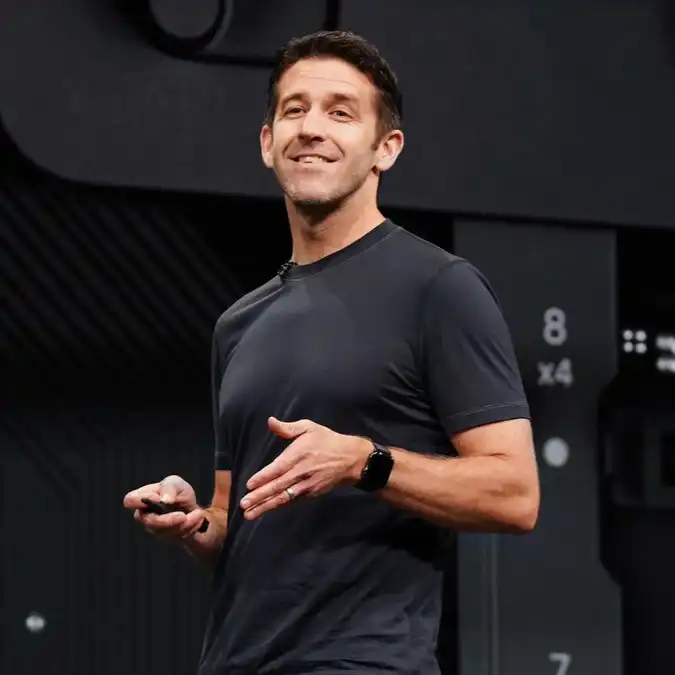
A major leadership shift is underway at Apple, as the tech giant has confirmed that longtime executive John Ternus will take over as chief executive officer, bringing an end to Tim Cook’s 15-year tenure in the role.
The transition is set for September 1, with Cook moving into the executive chairman role, ensuring he remains closely involved in the company’s strategic direction and engagement with policymakers.
The announcement marks one of the most significant leadership changes at Apple since 2011, when Cook himself succeeded co-founder Steve Jobs. Now, the company is once again entering a new era, this time shaped by rapid advancements in artificial intelligence and intensifying competition across the tech industry.
Ternus, who joined Apple in 2001, currently serves as senior vice president of hardware engineering and has played a central role in developing some of the company’s most important products.
His work spans the Mac, iPad, and AirPods, and he has been widely credited with helping to revive momentum in the Mac lineup in recent years.
Although he has traditionally operated behind the scenes, Apple has gradually increased his public visibility. His presentation of the redesigned iPhone Air last year signalled a shift, positioning him more prominently as a key figure within the company’s leadership structure.
At 50, Ternus steps into the CEO role at the same age Cook did, a parallel that underscores Apple’s preference for continuity and long-term internal leadership development.
Cook’s legacy, however, sets a high bar.
Since taking over in August 2011, he has overseen one of the most successful periods in Apple’s history, expanding its market value by trillions of dollars.
Under his leadership, the company strengthened its global supply chain, particularly through manufacturing partnerships in China, while significantly growing both its hardware ecosystem and services business.
Beyond business performance, Cook also became a prominent voice on social issues, including diversity and environmental responsibility, further shaping Apple’s identity in the modern corporate landscape.
Now, Ternus inherits a company facing a different kind of challenge.
Artificial intelligence has become the defining battleground for major tech firms, and Apple is under pressure to accelerate its progress.
While the company was an early mover with the introduction of Siri, it has struggled to keep pace with newer AI driven platforms from competitors such as OpenAI and Anthropic.
At the same time, Nvidia has surged ahead on the back of demand for AI chips, reshaping the industry’s competitive landscape.
Apple has begun responding to that pressure. A recent agreement with Google to integrate Gemini technology into Siri signals a more aggressive approach to improving its AI capabilities.
Ternus will also need to navigate competition in emerging hardware categories. While Meta has gained traction with smart glasses, Apple’s own Vision Pro headset has faced scrutiny over pricing and adoption, raising questions about how quickly new product categories can scale.
Alongside the CEO transition, Apple announced additional leadership changes. Johny Srouji has been named chief hardware officer, continuing to oversee the company’s custom chip and sensor development. Meanwhile, the hardware engineering division previously led by Ternus will now fall under Tom Merieb.
For Apple, the leadership change is not just about succession; it is about positioning the company for its next phase of growth. As technology shifts toward AI-driven experiences and new device ecosystems, Ternus steps into the role at a moment that will likely define Apple’s direction for the next decade.