


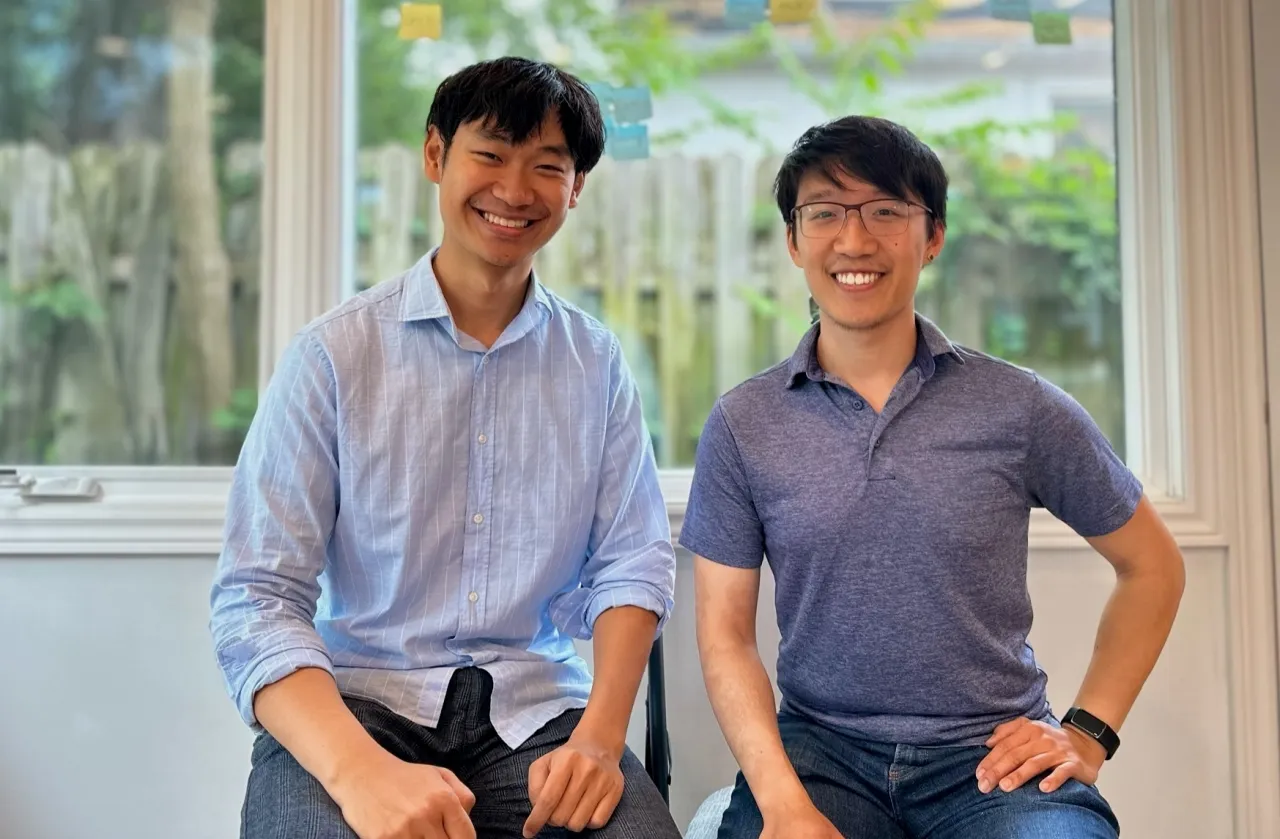
GPTZero, the artificial intelligence detection startup founded by Princeton graduate Edward Tian, has been acquired by Superhuman, marking a major milestone for one of the most recognizable companies in the AI detection space.
The acquisition was announced on Tuesday, although the financial terms of the deal were not disclosed.
According to Business Insider, GPTZero had grown to more than 19 million registered users and generated approximately $30 million in annual recurring revenue (ARR) before the acquisition.
Tian first developed GPTZero in 2023 as a senior thesis project at Princeton University in response to the rapid rise of AI writing tools such as ChatGPT.
The platform quickly gained global attention by helping educators, publishers, and businesses identify whether text had been generated by artificial intelligence.
In our previous discussion, Tian revealed that the company had already become profitable by 2024.
He co-founded GPTZero alongside Chief Technology Officer Alex Cui, a longtime friend from high school.
Despite its rapid growth, GPTZero raised relatively modest funding compared to many AI startups.
The company secured a $3.5 million seed round led by Uncork Capital before raising a $10 million Series A in June 2024, led by Footwork co-founder Nikhil Basu Trivedi.
Other investors included Reach Capital, Alt Capital (founded by Jack Altman), and Neo.
In total, GPTZero raised $13.5 million before its acquisition.
Superhuman is acquiring the company, the AI productivity company formed after Grammarly acquired email startup Superhuman and adopted its name as the combined company’s brand.
Interestingly, Superhuman already offered its own AI detection technology before acquiring GPTZero.
Explaining the decision, the company said combining both technologies would strengthen its AI verification capabilities.
“Two AI detectors are better than one,” Superhuman said.
GPTZero has focused on helping users identify AI-generated content and combat the growing spread of low-quality AI-generated material online.
Meanwhile, Grammarly’s detection technology has largely been aimed at helping users—particularly students—understand whether their writing appears AI-generated and make revisions where necessary.
The acquisition brings together two companies working to address one of the biggest challenges posed by generative AI: distinguishing human-created from AI-generated content.
As artificial intelligence continues to reshape education, publishing, business, and online communication, reliable AI detection tools have become increasingly important for maintaining academic integrity, verifying originality, and combating misinformation.
The acquisition also highlights the growing value of AI verification technology, with GPTZero evolving from a university research project into a multimillion-dollar business serving millions of users worldwide in just three years.