


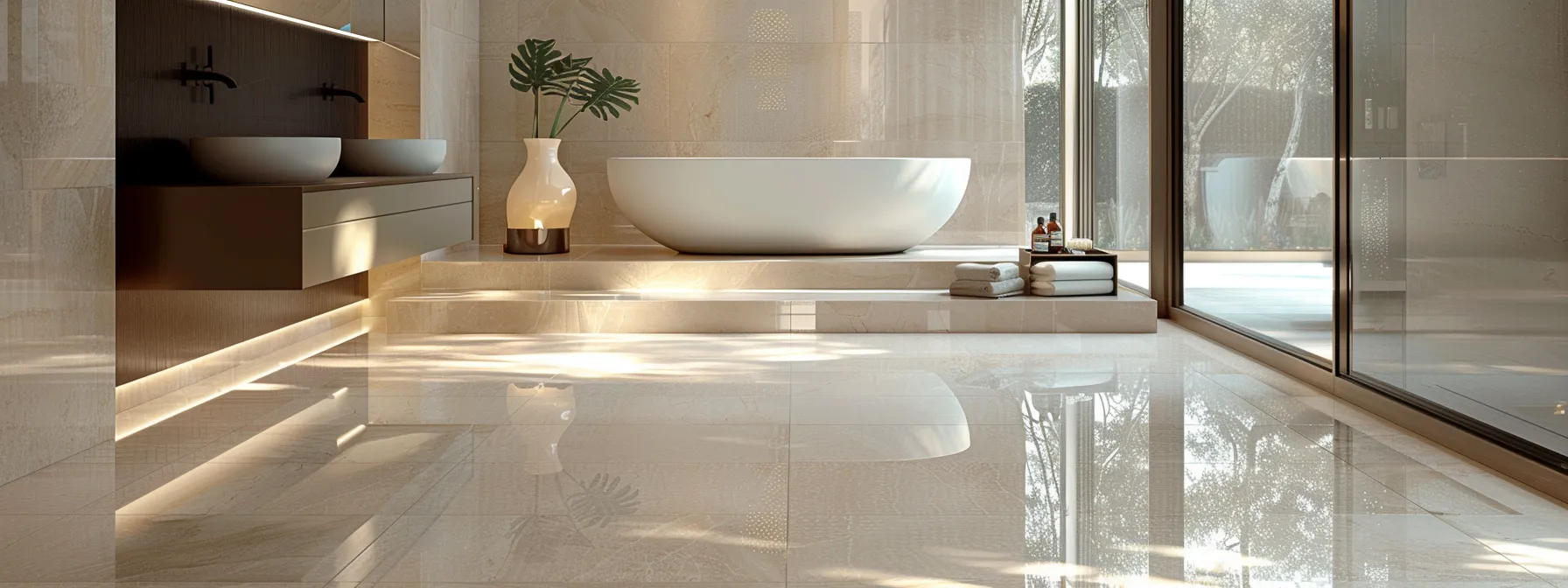
Choosing the right tile for your bathroom can significantly impact both its aesthetic appeal and functionality. With options like porcelain and ceramic tiles, understanding their differences is crucial for making an informed decision.
Whether you’re renovating an existing space or building a new one, the choice between porcelain and ceramic tiles can affect your bathroom’s durability, maintenance, design, and cost.
This article will delve into the essential aspects of both tile types, helping you decide which is the best fit for your bathroom.
Porcelain Tile vs Ceramic Tile: Key Differences for Your Bathroom
The fundamental difference between porcelain and ceramic tiles lies in their composition and manufacturing process. Porcelain tiles are made from a denser type of clay and are fired at higher temperatures, making them more robust and less porous than ceramic tiles.
This quality often makes porcelain tiles more suitable for areas with high moisture exposure, like bathrooms. When using CAD Software for bathroom renovations, porcelain tiles often feature prominently in the design schematics due to their durability.
Ceramic tiles, on the other hand, are generally softer and easier to cut, making them ideal for DIY projects or complex tile patterns.
They are also available in a wider variety of colors and designs, providing more flexibility in terms of aesthetics. However, they might not meet certain deflection criteria set by building regulations, particularly in wet areas.
While both types offer unique benefits, porcelain tiles are typically more water-resistant due to their low water absorption rate, an important consideration in bathroom environments. This characteristic makes them a preferred choice for those seeking long-lasting Bathroom Tile solutions.
Durability and Maintenance: Comparing Porcelain and Ceramic Tiles
When it comes to durability, porcelain tiles generally outperform ceramic tiles. The dense nature of porcelain makes it resistant to chipping, scratching, and heavy impacts. This resilience is particularly beneficial in high-traffic bathroom areas where wear and tear are common. Furthermore, porcelain’s resistance to water and stains makes it easier to maintain over time, reducing the need for frequent repairs or replacements.

Ceramic tiles, while less durable, are easier to cut and install, which can simplify the renovation process. However, they may require more frequent sealing to prevent water damage and maintain their appearance. If you’re considering a bathroom upgrade, including these tiles in your Finish Schedule can help manage expectations regarding upkeep and longevity.
The choice between porcelain and ceramic tiles should consider the specific needs of your bathroom space, particularly in high-humidity environments. For those prioritizing durability, porcelain is often the superior choice.
Design Versatility: Choosing the Right Aesthetic for Your Space
Design versatility is another key factor when selecting Bathroom Tiles. Both porcelain and ceramic tiles offer a wide range of design options, but they do so in different ways. Porcelain tiles can mimic the look of natural stone, wood, or even textiles, providing a high-end finish that can enhance the overall aesthetic of your bathroom. This versatility can be effectively visualized on a Mood Board during the Design Development phase.
Ceramic tiles offer a broader range of colors and patterns, allowing for more creative freedom. They are often used in intricate patterns or as accent tiles to add character and style to a space. Recent analysis from Architectural Digest highlights the growing trend of using bold ceramic tile designs in modern interiors.
Ultimately, the choice between porcelain and ceramic will depend on your aesthetic goals and how they align with your bathroom’s overall design theme.
Cost Considerations: Evaluating Your Budget for Tile Selection
Cost is a significant consideration when choosing between porcelain and ceramic tiles. Porcelain tiles are generally more expensive due to their manufacturing process and superior durability. They are an investment that offers long-term benefits, particularly in high-use areas like bathrooms.
Ceramic tiles, being less costly, can be a more budget-friendly option. They provide a great balance between cost and style, making them an ideal choice for those looking to create a visually appealing bathroom without overspending. According to HomeAdvisor, ceramic tiles can be up to 60% cheaper than their porcelain counterparts.
When planning your bathroom renovation, consider how the cost of the tiles fits into your overall budget and long-term maintenance plan. The decision should reflect both your financial parameters and the desired lifespan of your bathroom design.
Conclusion
Both porcelain and ceramic tiles offer distinct advantages for bathroom design. Porcelain tiles provide superior durability and moisture resistance, making them ideal for high-traffic areas. Ceramic tiles, while less durable, offer a wider range of design options at a lower cost. Your choice should align with your bathroom’s specific needs, design aesthetic, and budget considerations, ensuring a space that is both functional and beautiful.