

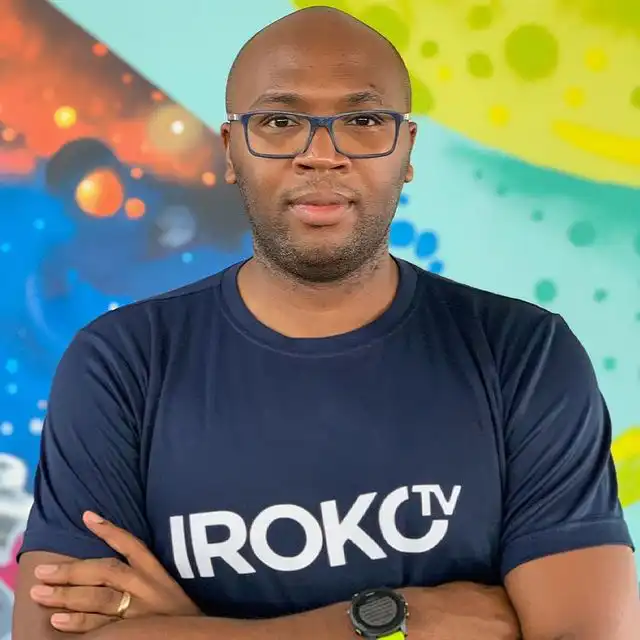
Entrepreneur Jason Njoku, co-founder of iROKOtv, has opened up about what he now describes as a $100 million miscalculation in attempting to scale a premium streaming service in Nigeria’s challenging media landscape.
Speaking with media personality Chukwudi Iwuchukwu, Njoku admitted that the company, launched in 2011 and expanded into Nigeria by 2015, spent over a decade in “full survival mode,” unable to break through despite raising $35 million in venture capital and generating millions in revenue.
“Between the revenues we generated and the venture capital we raised, we easily spent $100 million trying to win,” Njoku said.
“But we weren’t winning; we weren’t losing either. We were just there… operating in the toughest conditions possible.”
Key Takeaways from Njoku’s Revelations:
-
Nigerian Market Collapse: Njoku revealed that the local market eventually “collapsed,” especially for paid premium streaming services.
-
Exit in 2023: iROKOtv exited Nigeria in 2023 and hasn’t processed Naira payments for nearly two years.
-
Streaming vs. Nollywood Economics: Njoku admitted that streaming wasn’t a viable model for Nollywood in Nigeria, stating that content creation, linear channels, and distribution were more profitable paths.
-
ROK Studios Success: While iROKOtv struggled, ROK Studios—the company’s content production and distribution arm—emerged as the most profitable unit.
-
Lessons Learned: Njoku believes the same conclusions could have been reached with far less investment.
“I believe iROKOtv could have reached the same conclusions with $5–10 million versus the $100 million+ we ended up investing.”
A Cautionary Tale for Startups
Njoku, known for being candid with his entrepreneurial journey, used the opportunity to advise other founders:
“It’s okay that we tried and failed. It’s okay that we accept the limitations in the domestic market we find ourselves in…
My lessons were expensive, and that’s why I am so consistent in telling founders not to over-raise.”
The iROKOtv story now stands as a case study in the risks of misjudging local market readiness, especially in the tech and media sectors across Africa.