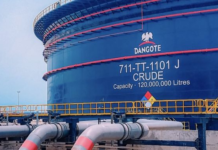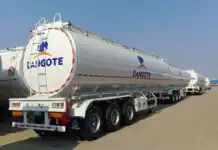

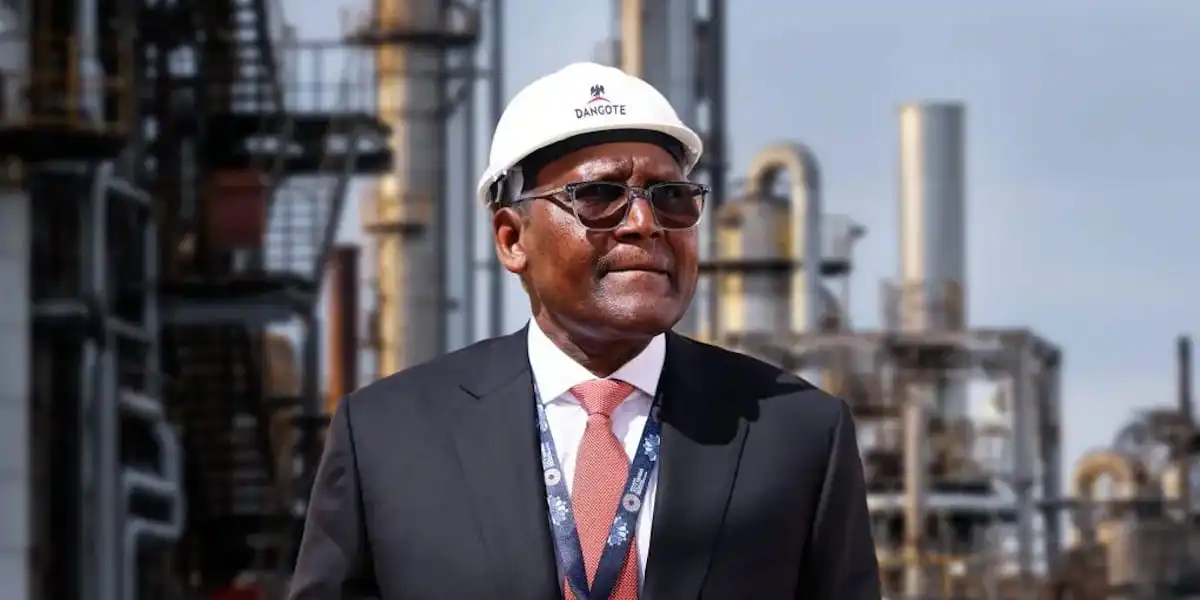
Nigerians can now breathe a sigh of relief as Dangote Refinery has once again reduced the ex-depot price of Liquefied Petroleum Gas (LPG), popularly known as cooking gas, to ₦760 per kilogram.
The latest price slash comes amid rising cooking gas costs that have strained households across the country. While Dangote Refinery has lowered its rates, other major depots are still selling at much higher prices. Reports show that Matrix and Ardova depots currently sell at ₦920 per kilogram, A.Y.M Shafa and NIPCO at ₦910, while Stockgap Depot tops the list at ₦950 per kilogram.
This means Dangote’s new price is between ₦150 and ₦190 cheaper per kilogram compared to other suppliers. Industry watchers see the move as a deliberate effort by the refinery to make cooking gas more affordable and stabilize the domestic LPG market. Analysts believe the price cut is part of Dangote’s broader strategy to counter inflationary trends and discourage arbitrary price increases that have burdened consumers.
An industry expert remarked, “Dangote’s post-maintenance price cut shows intent, not only to restore supply volumes but also to bring discipline back to the domestic LPG market.”
Despite the intervention, retail prices of cooking gas remain high in several parts of the country. In Lagos and other states, consumers have reported paying between ₦1,000 and ₦3,000 per kilogram in recent weeks. The scarcity has also led to long queues at filling stations and gas plants, leaving many Nigerians struggling to refill their cylinders.
Meanwhile, the Group Chief Executive Officer of the Nigerian National Petroleum Company Limited (NNPCL), Bayo Ojulari, has attributed the recent surge in gas prices to the industrial action by the Petroleum and Natural Gas Senior Staff Association of Nigeria (PENGASSAN).
Speaking to reporters after meeting President Bola Tinubu at the State House on Sunday, Ojulari explained that the strike disrupted gas loading and distribution across the country for several days, creating an artificial shortage and driving prices up.
He, however, assured Nigerians that prices would soon stabilize as normal supply resumes.