

Apple has agreed to a $250 million settlement to resolve a shareholder lawsuit tied to delays in rolling out artificial intelligence upgrades for its voice assistant, Siri. This case has drawn attention to the company’s AI rollout strategy.
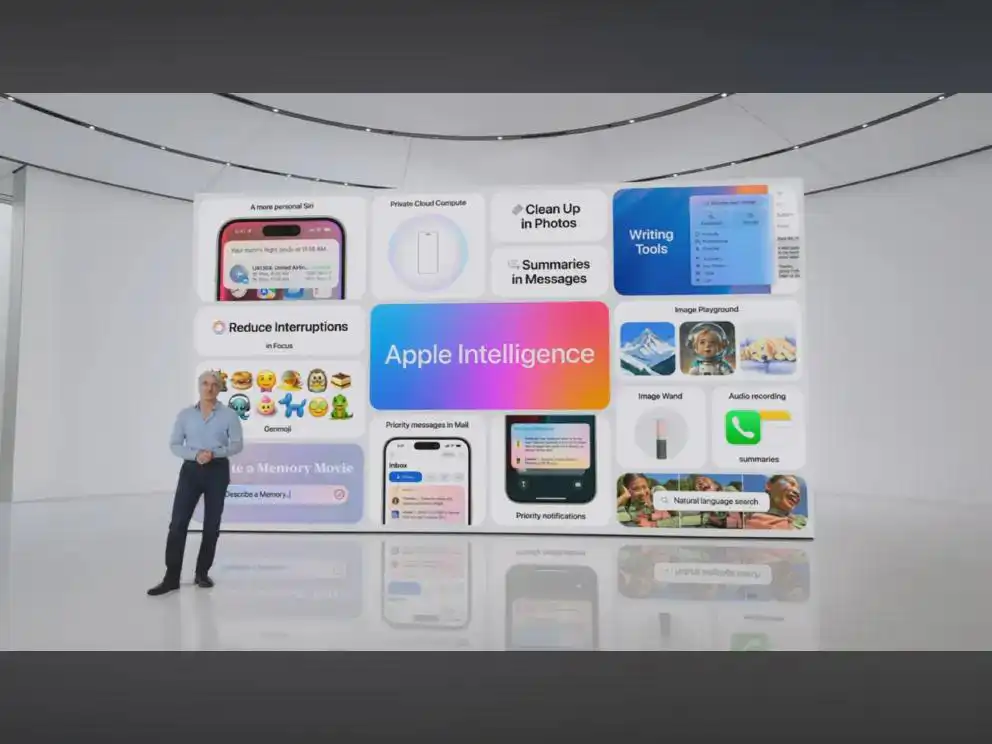
The lawsuit, filed in 2024 by investor Peter Landsheft in a federal court in California, centred on expectations created during Apple’s developer conference that year. At the event, the company unveiled a suite of AI-driven features expected to debut alongside new iPhone models. However, when those devices launched later in 2024, several of the highlighted capabilities were missing.
That gap between announcement and delivery became the basis of the legal challenge.
Shareholders argued that Apple promoted features that were not ready for release, potentially influencing market expectations and investment decisions. The company later confirmed in 2025 that the enhanced version of Siri would not arrive until 2026, effectively validating concerns about the delay.
Under the proposed settlement terms, eligible iPhone users in the United States could receive compensation ranging from $25 to $95 per device. The final payout will depend on the number of claims submitted.
The offer applies specifically to devices capable of running Apple’s AI system, including the iPhone 16 lineup and the iPhone 15 Pro models sold between June 10, 2024 and March 29, 2025.
Apple plans to open the claims process within 45 days of May 5, 2026. To qualify, users will need to provide proof of purchase, along with their device serial number and associated Apple ID.
Importantly, the company has not admitted any wrongdoing. In its official statement, Apple said the agreement was reached to resolve claims and allow it to remain focused on product development.
“We resolved this matter to stay focused on doing what we do best, delivering the most innovative products and services to our users,” the company stated.
Despite the controversy, Apple has continued to expand its AI ecosystem under the banner of “Apple Intelligence,” introducing features such as Live Translation, Writing Tools, Genmoji, and a photo-editing tool called Clean Up. These releases suggest that while some headline features were delayed, the broader AI rollout has remained active.
Attention is now shifting to Apple’s next major event, the Worldwide Developers Conference, where executives are expected to finally unveil the long-awaited Siri upgrade. The updated assistant is projected to handle more complex tasks, offer improved contextual understanding, and compete more directly with advanced AI systems from rival platforms.
The situation also hints at potential changes in Apple’s hardware strategy. Industry reports suggest the company may adjust its release cycle, possibly delaying the base iPhone 18 to focus on premium models and new design directions.
For now, the settlement remains subject to court approval before any payments can be issued. But beyond the financial resolution, the case underscores a larger challenge facing Apple: balancing ambitious AI announcements with the realities of delivering them at scale.
As competition in the AI space intensifies, how Apple manages that balance moving forward could shape both user trust and investor confidence.