
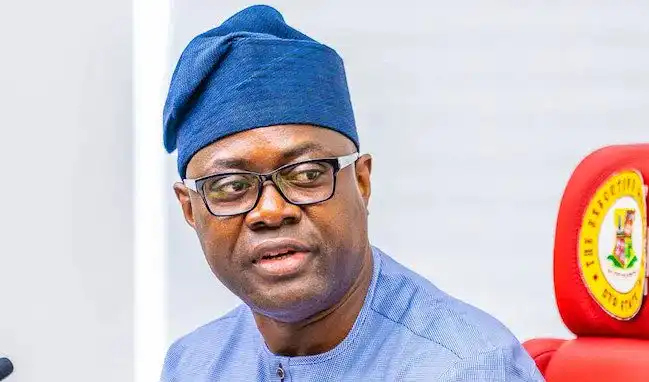
A fresh war of words has erupted between the Presidency and Oyo State Governor Seyi Makinde following the governor’s call for a United Nations-led investigation into the abduction of dozens of schoolchildren and teachers in the state.
The Presidency has dismissed the request as unnecessary, accusing Makinde of politicizing a tragic security incident despite the successful rescue of all the victims after nearly two months in captivity.
The disagreement comes just hours after the rescued pupils and teachers reunited with their families following their release from captivity.
While receiving the victims on Monday, Governor Makinde argued that Nigerians deserve a full explanation of how the abduction happened and the circumstances surrounding their eventual rescue. He maintained that an independent international investigation would help establish the facts and strengthen public confidence.
The victims were abducted on May 15, 2026, after armed bandits attacked three schools in the Yawota and Ahoro Esienle communities in Oriire Local Government Area of Oyo State. During the attack, 39 pupils and six teachers were taken hostage and spent 56 days in captivity before regaining their freedom.
Reacting to Makinde’s remarks, the President’s Special Adviser on Information and Strategy, Bayo Onanuga, said the governor’s demand suggested a lack of confidence in Nigeria’s security institutions, insisting that the military and other security agencies had already accounted for the rescue operation.
“Our doors are open. Let the UN come if he thinks there is more to it than what our military has explained.”
Onanuga questioned the rationale behind seeking an international investigation, arguing that there was no reason for security agencies to prolong the captivity of innocent schoolchildren and their teachers intentionally.
“Look at those kids. Some of them are just about four or six years old. Will anyone want to deliberately subject them to the trauma they went through for 56 days?”
The presidential spokesman also highlighted the sacrifices made during the rescue mission, noting that members of the Nigerian military and the Amotekun Corps lost their lives while pursuing the kidnappers and working to secure the victims’ freedom.
According to him, those sacrifices demonstrate the seriousness with which security agencies approached the operation.
Beyond rejecting the governor’s request, Onanuga accused Makinde of allowing political considerations to influence his position. He suggested that the governor, who is seeking higher political office, was attempting to cast doubt on Nigeria’s institutions for political gain.
“It is just unfortunate that Mr Makinde, maybe because of politics, because he is a presidential candidate now, doesn’t have any trust in our own institutions and is now calling on an external body to come and investigate.”
The Presidency maintained that both the Nigerian military and the Department of State Services (DSS) have already provided accounts of how the victims were rescued, insisting there is no basis for an international inquiry.
Describing the governor’s demand as “unwarranted” and “absolutely unnecessary,” Onanuga further accused Makinde of trying to politicise the kidnapping by promoting what he described as an unfounded conspiracy surrounding the incident.
The exchange has added a political dimension to an incident that initially united Nigerians in concern for the abducted pupils and teachers. It also highlights the continuing debate over transparency, accountability and public confidence in Nigeria’s security operations.
As of now, Governor Makinde has not publicly responded to the Presidency’s latest remarks, leaving the disagreement over the proposed UN investigation unresolved.