


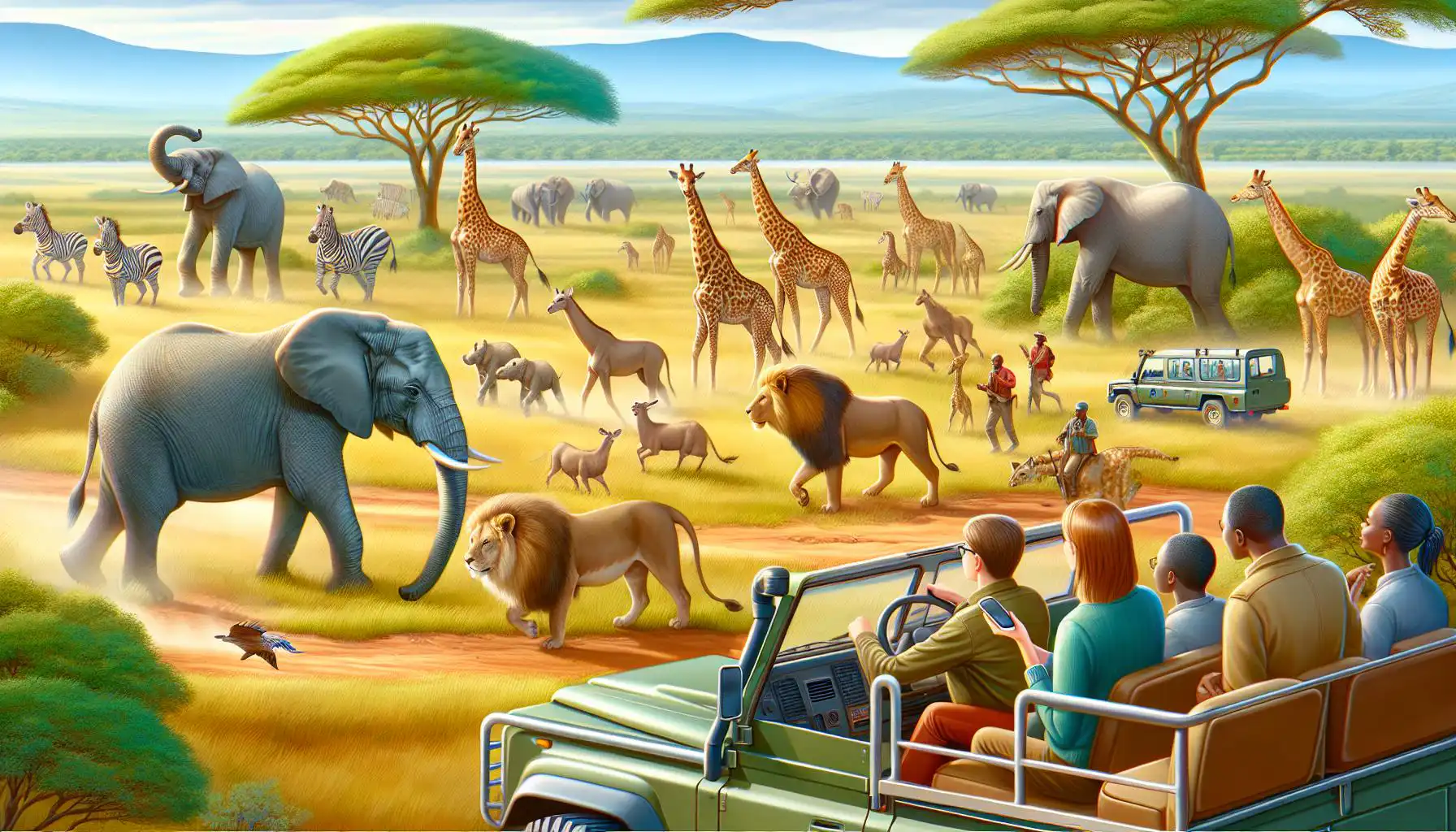
I’ve always been captivated by the raw beauty and diversity of African wildlife reserves. It’s a place where nature unfolds its drama daily, offering unique sights and experiences. From the thundering herds in the Serengeti to the quiet, elusive creatures in the Okavango Delta, it’s a world teeming with life and adventure.
These reserves aren’t just about the thrill of spotting the ‘Big Five’ though. They’re also crucial for conservation efforts, providing a sanctuary for endangered species. It’s a delicate balance, maintaining the ecosystems while also accommodating the curious eyes of tourists.
So, strap in as we embark on a journey through these breathtaking landscapes. We’ll explore their significance, the challenges they face, and the efforts being made to preserve these natural wonders for future generations. It’s time to delve into the wild heart of Africa.
Importance of African Wildlife Reserves
As we delve deeper into the wild heart of Africa, we must pay attention to the crucial role that African wildlife reserves play in the ecosystem.
Preservation of Endangered Species
Wildlife reserves are the lifelines for many endangered species worldwide, and this holds particularly true for the reserves in Africa. Here, they offer vital habitats to wildlife such as elephants, rhinos, gorillas, and countless species of birds, to name just a few. Without these conservation areas, the risk of these creatures falling into extinction becomes scarily apparent.
No place exemplifies this better than the Virunga National Park in the Democratic Republic of Congo, home to the critically endangered mountain gorillas. In the 1980s, the number of these gorillas remaining in the wild was dramatically dwindling. Today, thanks to the protective measures instituted by the park, their numbers have increased, though the species is still considered endangered.
| Wildlife Reserve | Endangered Species | Estimated Remaining Population |
|---|---|---|
| Virunga National Park | Mountain Gorillas | Less than 1,000 |
Conservation of Biodiversity
Africa’s wildlife reserves are also globally significant for their role in preserving biodiversity. These reserves are hotspots of wildlife variety, hosting flora and fauna that cannot be found anywhere else on earth. They’re flourishing ecosystems, each with a unique blend of habitats and species.
For instance, the Serengeti National Park in Tanzania is renowned for its diverse habitats – from grasslands and woodlands to wetlands and savannah. This biodiversity allows a complex web of interconnected life to thrive, presenting a spectacle of nature that is both remarkable and awe-inspiring.
Our journey carries forward, delving deeper into these dynamic landscapes and examining the efforts being made to mitigate the challenges they face. Through this exploration, it’s clear: African wildlife reserves aren’t just awe-inspiring tourist destinations – they serve a pivotal role in the survival of the planet’s precious biodiversity.
Popular African Wildlife Reserves
Before we go on, let’s highlight some of the key reserves driving the wildlife conservation efforts in Africa. Each reserve offers a unique view into the complex and interconnected ecosystems that make up the African landscape. While they’re all important, let’s highlight a few that have become especially popular worldwide.
Serengeti National Park
The Serengeti National Park, located in northern Tanzania, is undeniably one-of-a-kind. Known for its jaw-dropping annual spectacle, the Great Migration, it encapsulates the rhythm of life on the savannah. It’s here that over a million wildebeest, along with hundreds of thousands of zebras and gazelles, traverse the plains in their cyclic search for fresh grazing. The Serengeti also boasts a large lion population, as well as endangered species like the African elephant and black rhino. It’s not just a reserve, it’s a testament to survival and the relentless march of life.
Maasai Mara National Reserve
Across the Tanzanian border in Kenya, you’ll find the Maasai Mara National Reserve. Named after the Maasai people and the Mara River, which divides it, the reserve stands out for its sheer concentration and diversity of wildlife. Its vast grasslands teem with lions, cheetahs, elephants, zebras, and wildebeest. It also serves as the endpoint for the Great Migration when the animals cross the crocodile-infested Mara River – a dramatic climax that has attracted wildlife enthusiasts and photographers from around the world.
Kruger National Park
Moving down to South Africa, the Kruger National Park is another reserve that demands mention. One of the most sought-after safari destinations, Kruger spans a landmass similar to the size of Israel or New Jersey. It’s home to the Big Five – lion, leopard, rhinoceros, elephant, and buffalo – a term coined by big-game hunters to denote the five most difficult animals to hunt on foot – and a vast array of other fauna and avifauna, spread across diverse habitats. Owing to a successful conservation program, it also has an impressive population of endangered African wild dogs.
There’s no denying the allure of these reserves, yet their true worth lies beyond the lens of tourism. While visitors come and go, the latticework of life interwoven across these landscapes carries on, dancing to the timeless tune of survival. As symbols of biodiversity and earthly resilience, African wildlife reserves are more than just destinations – they’re living, breathing demonstrations of life in the wild.
Threats to African Wildlife Reserves
Moving forward, it’s essential to unpack the imminent dangers that these precious wildlife reserves face. Despite formidable attempts at conservation, the wildlife in these reserves is under constant threat. The two principal threats are Poaching and Habitat Loss. Understanding these challenges is the first step to crafting viable solutions to protect, sustain and nurture these vivid ecosystems.
Poaching
A constant source of havoc in these regions is poaching. Despite rigorous anti-poaching efforts, illegal hunting remains a persistent challenge in African wildlife reserves. The high demand for sought-after animal products like elephant ivory, rhino horn and big cat skins fuels this illicit activity.
Laws have been put in place to curb poaching with strict penalties for violators. However, enforcement is difficult due to inadequate resources, and the vast landscapes that law enforcement agencies need to cover.
Based on the African Wildlife Federation estimates, approximately 30,000 elephants are killed illegally every year for ivory trade.
| Year | Elephants Poached |
|---|---|
| 2015 | 30,000 |
| 2016 | 30,000 |
| 2017 | 30,000 |
| 2018 | 30,000 |
| 2019 | 30,000 |
This distressing number underscores the poaching crisis and highlights the need for concerted efforts to curtail this devastating trend.
Habitat Loss
Another significant threat impacting African wildlife reserves is habitat loss. Expanding human populations, urban development, industrialization, and climate change are all factors that aggressively encroach upon these natural habitats.
Deforestation results from these human activities, which not only reduces the living space of the indigenous species but also disrupts their natural behaviors, such as migration routes and breeding grounds.
In East Africa alone, the World Wildlife Fund estimates that the region has lost 70% of its original forests.
| Region | Original Forest Coverage | Current Forest Coverage | Forest Loss % |
|---|---|---|---|
| East Africa | 100% | 30% | 70% |
Understanding these challenges and putting in place proactive measures to combat the threats of poaching and habitat loss is paramount to preserving these vibrant ecosystems. It is imminently clear, the biodiversity of the African wildlife reserves is not just a tourist attraction but a symbol of resilience that needs to be protected at all costs.
Sustainable Practices in Wildlife Reserves
Exploring sustainable practices within African wildlife reserves introduces us to powerful solutions, such as Eco-tourism and Community involvement. These practices have the potential to mitigate threats faced by these ecosystems while supporting conservation efforts.
Eco-tourism
Eco-tourism is a fast-growing sector in the African tourism industry. It’s an approach that new-age travelers, committed to responsible tourism, are wholeheartedly embracing.
By facilitating travel to natural areas, ecotourism conserves the environment and uplifts local communities. It’s a win-win. Tourists learn about the biodiversity of our reserves while their visit contributes to the local economy and conservation.
That’s not all. We find that eco-tourism is all about being respectful of wildlife and supporting anti-poaching initiatives. An increase in eco-tourism translates to a decrease in the demand for illegal wildlife products, which severely impact endangered species like elephants and rhinos.
The numbers behind the practice are promising. To put it in perspective, consider the following markdown table:
| Year | Revenue from Ecotourism |
|---|---|
| 2018 | $12 billion |
| 2019 | $16 billion |
| 2020 | $18 billion |
Respect and admiration for wildlife fostered through eco-tourism leads us naturally into our next sustainable practice—Community Involvement.
Community Involvement
Community involvement is essential for sustainable conservation practices in African wildlife reserves. It’s where locals take charge, leading the way to safeguard these natural treasures.
We’ve seen communities benefit from eco-tourism revenue, creating incentives for preserving wildlife and fighting off poachers. They’re instrumental in patrolling reserves and reporting illegal activities.
Communities play leading roles in managing their locales, combating habitat loss. With income generated from tourism, they’re adopting alternatives to practices like deforestation and overgrazing—key contributors to habitat loss.
Let’s not forget, these individuals are the custodians of the land and the knowledge that’s passed down through generations. Their passion for ecosystems and wildlife is something we can all learn from.
Empowering local communities aids wildlife conservation, offering a sturdier path towards sustainability. We’ll continue to share more insights into African wildlife reserves. Keep reading because this journey, much like a safari, is enriching at every turn.
Frequently Asked Questions
What is the main focus of the article?
The article mainly focuses on sustainable practices in African wildlife reserves, notably eco-tourism and community involvement, as solutions to preserve wildlife habitats and reduce threats like poaching.
How does eco-tourism contribute to sustainable practices?
Eco-tourism, preferred by responsible travelers, plays a significant role in conserving the environment while also improving local communities by curbing the demand for illegal wildlife products.
How have the revenues from eco-tourism evolved?
Revenues from eco-tourism have shown remarkable growth over the past few years, indicating the increasing popularity of responsible travel and its positive impact on wildlife conservation.
What is the role of community involvement in sustainable conservation?
Community involvement is paramount for sustainable conservation as locals are instrumental in defending wildlife, managing habitats, and fighting illegal activities tied to wildlife.
Why is it important to empower local communities for wildlife conservation?
Empowering local communities is crucial for long-term sustainability as it enables them to actively participate in conservation efforts, manage habitats, and fight against illegal activities threatening wildlife.