
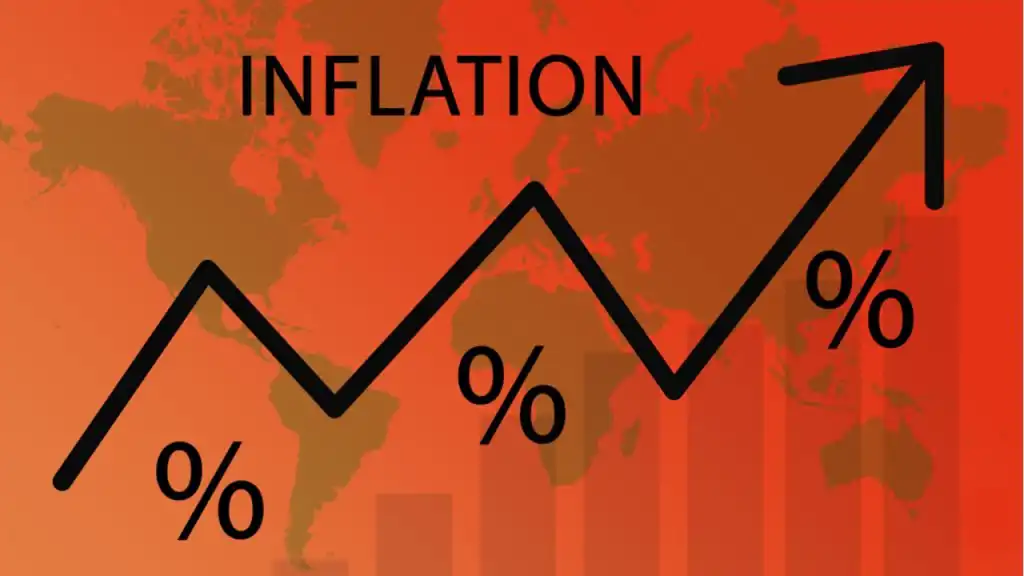
Nigeria’s inflation rate for November 2024 has escalated to 34.60 percent, up from 33.88 percent in October, signifying a deterioration in the economic conditions faced by Nigerians.
This information is derived from the most recent Consumer Price Index and Inflation report released by the National Bureau of Statistics for November.
The report indicated that the country’s overall inflation, or all-items inflation, experienced a month-on-month increase of 0.72 percent.
Furthermore, Nigeria’s inflation rate rose by 6.40 percent in comparison to the 28.20 percent recorded in November 2023.
The surge in food prices has propelled food inflation to 39.93 percent in November, an increase from 39.19 percent in October.
The findings also revealed that urban inflation was recorded at 37.10 percent, while rural inflation was noted at 32.27 percent.
The rise in Nigeria’s inflation occurs concurrently with the monetary policy measures implemented by the Central Bank of Nigeria.
The apex financial institution, under the leadership of Olayemi Cardoso, has persistently raised interest rates, citing rising inflation as the rationale behind such decisions.
The most recent increase occurred in November, when the CBN’s 297th Monetary Policy Committee convened and resolved to elevate the nation’s interest rate from 27.25 percent to 27.50 percent.
Notwithstanding the monetary interventions by the CBN, the prices of goods and services have remained high, adversely affecting the cost of living for a significant portion of Nigerians.
In contrast, the months of July and August 2024 saw a decline in inflation rates in Nigeria.