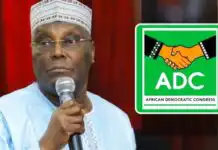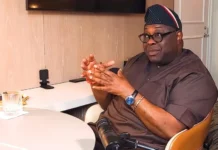

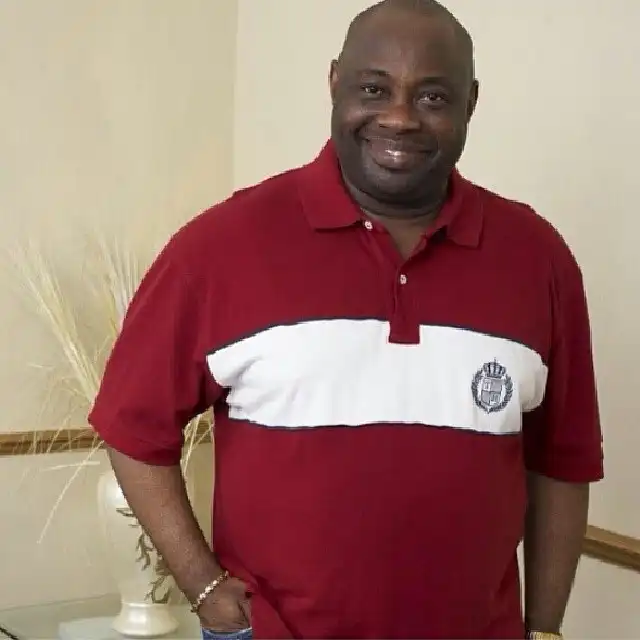
Veteran journalist and former presidential candidate Dele Momodu has revealed that former Vice President Atiku Abubakar was initially meant to succeed ex-President Olusegun Obasanjo after their first term in office.
In a detailed article shared on his official Facebook page, Momodu disclosed that a power transition agreement existed between Obasanjo and Atiku, which would have seen the latter become Nigeria’s president in 2003.
However, the deal reportedly fell through, despite overwhelming support from several influential governors at the time.
“The deal was that he would take over after their first term in office, but it fell through despite the humongous support from the majority of the governors,” Momodu wrote.
Obasanjo Withdrew Atiku’s Privileges
According to Momodu, after the power handover deal collapsed, Obasanjo allegedly stripped Atiku of his constitutional privileges, effectively sidelining him during their second term in office (2003–2007).
“He still respected his boss and doused the tension in the second term when he was virtually stripped of his Constitutional obligations and rights. He accepted his fate with uncommon equanimity,” Momodu stated.
Atiku’s Political and Business Journey
Despite multiple failed attempts at the presidency, Atiku has remained a significant figure in Nigerian politics. Most recently, he was the People’s Democratic Party (PDP) flagbearer in the 2023 presidential election, where he finished second behind President Bola Ahmed Tinubu of the All Progressives Congress (APC).
Momodu praised Atiku for engaging in productive, well-managed business ventures after leaving office, setting himself apart from many political elites who “cannot survive outside power.”
“He is a man with Midas touch and has his fingers in many fruitful pies. Nigeria would have been a much better place if the majority of our leaders had been gainfully employed like him,” he concluded.
Background
Atiku served as Vice President from 1999 to 2007, during Obasanjo’s two-term administration. The relationship between the two leaders became strained in later years, especially toward the end of their tenure.
Despite the setbacks, Atiku remains a persistent contender for Nigeria’s top job and a major voice in opposition politics.