

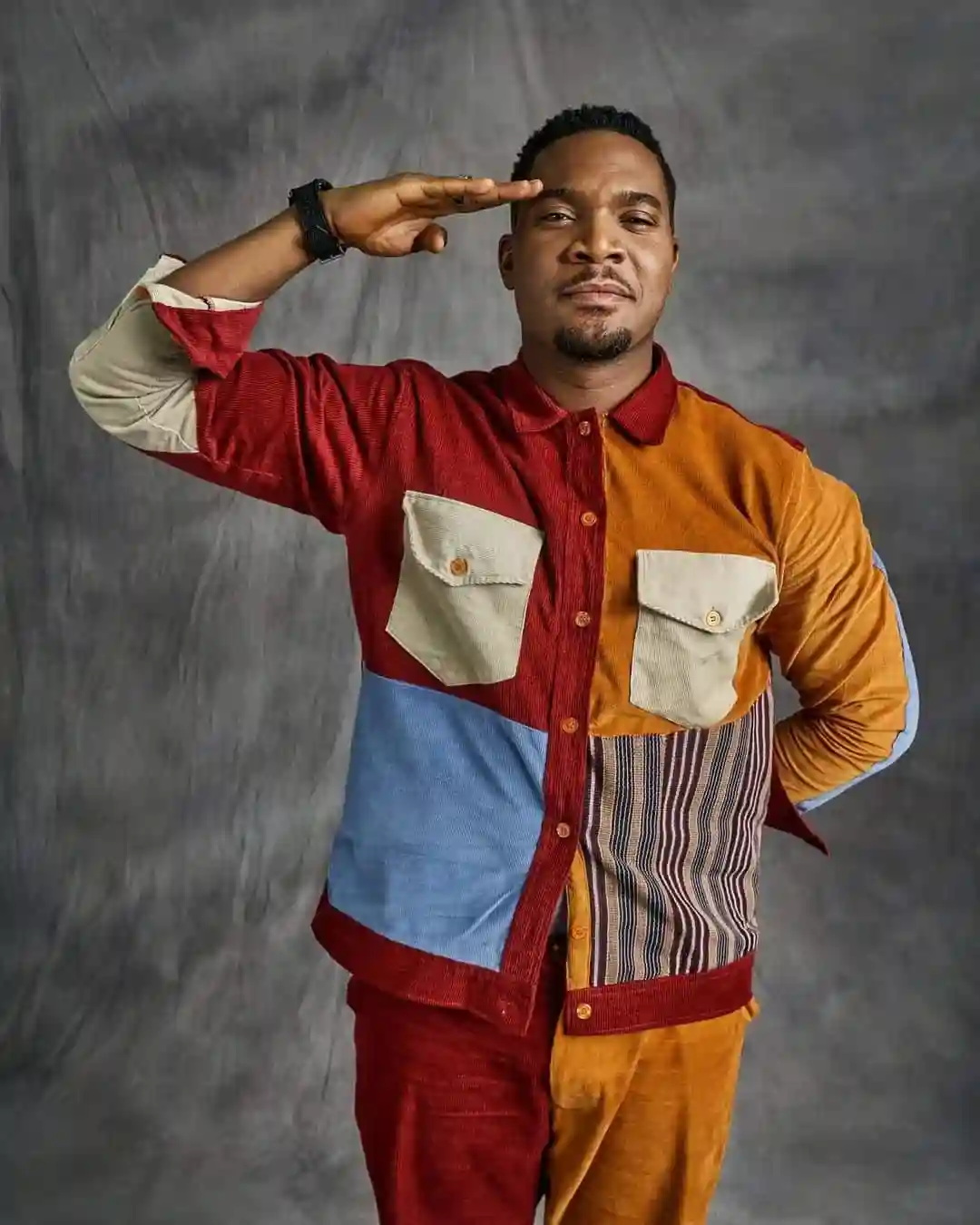
Nollywood actor Kunle Remi has criticised American streamer IShowSpeed’s visit to Nigeria during his ongoing Africa tour, saying the country ranked lowest in his personal assessment of the journey so far.
Kunle made the remarks on his Instagram Story on Tuesday after following IShowSpeed’s livestreamed tour across several African countries.
“After watching iShowSpeed’s journey so far, Nigeria is the worst on my own list,” he wrote.
“We just really stripped Lagos, no be say anything dey under the clothes before sha. Seems like we have lost the essence of culture. All we have is fake drinks and beggy, beggy skills.”
His comments echo a broader online conversation, with some Nigerians expressing disappointment that IShowSpeed’s Lagos stop did not reflect what they consider authentic Nigerian culture. Critics argued that instead of cultural immersion, the streamer was met with overwhelming crowds, aggressive attention-seeking, and street chaos.
IShowSpeed, whose real name is Darren Watkins Jr., launched his Speed Does Africa tour on December 29, 2025. The 28-day livestreamed tour is aimed at showcasing African culture and diversity across approximately 19 to 20 countries, including Angola, South Africa, Mozambique, Zambia, Ethiopia, Senegal, and Ghana.
At several stops, the streamer sampled local food, participated in traditional activities, and interacted with communities—experiences many viewers praised as more culturally grounded than his Lagos appearance.
Responding to earlier criticism in Nigeria over his failure to collaborate with local influencers, IShowSpeed maintained that the tour was not designed around online collaborations.
“The trip is not about influencers,” he said at the time. “It’s about everyday African culture.”
Despite the criticism, IShowSpeed’s Nigeria visit generated massive attention. He marked his 21st birthday in Lagos by hitting 50 million YouTube subscribers, a milestone he celebrated live during the tour.
As the Africa tour continues, reactions remain mixed. While some stops have been applauded for highlighting local identity and culture, others—like Lagos—have sparked debate about how Africa, and Nigeria in particular, is presented to a global audience.