

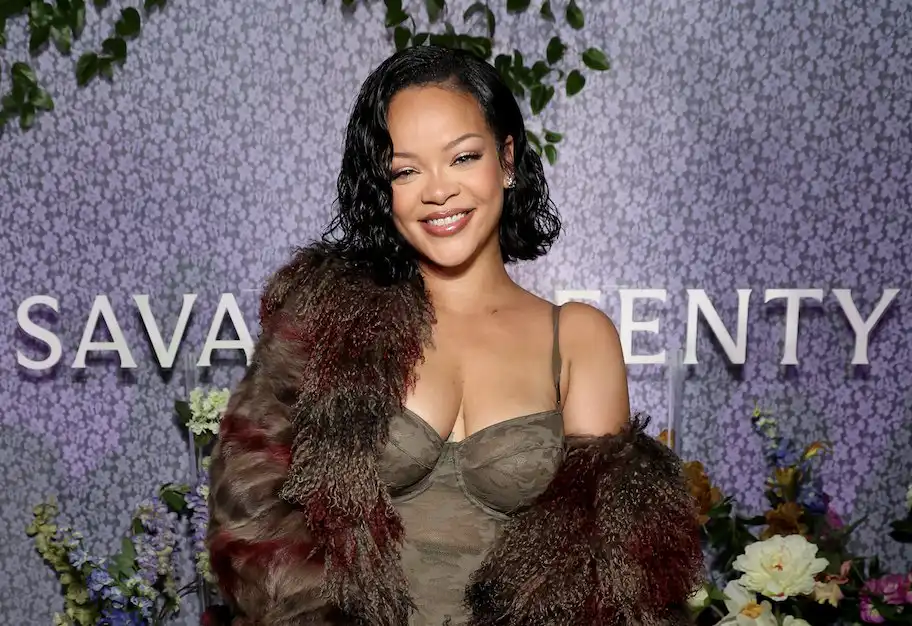
A single post from Rihanna has reignited one of Afropop’s most persistent online rivalries, pulling Tyla and Ayra Starr back into the center of fan-driven debate.
The moment traces back to the Met Gala 2026, where a clip surfaced showing Tyla standing nearby while Rihanna appeared engaged in conversation with someone else.
Within hours, social media users began speculating that the South African star had been ignored, setting off a wave of commentary.
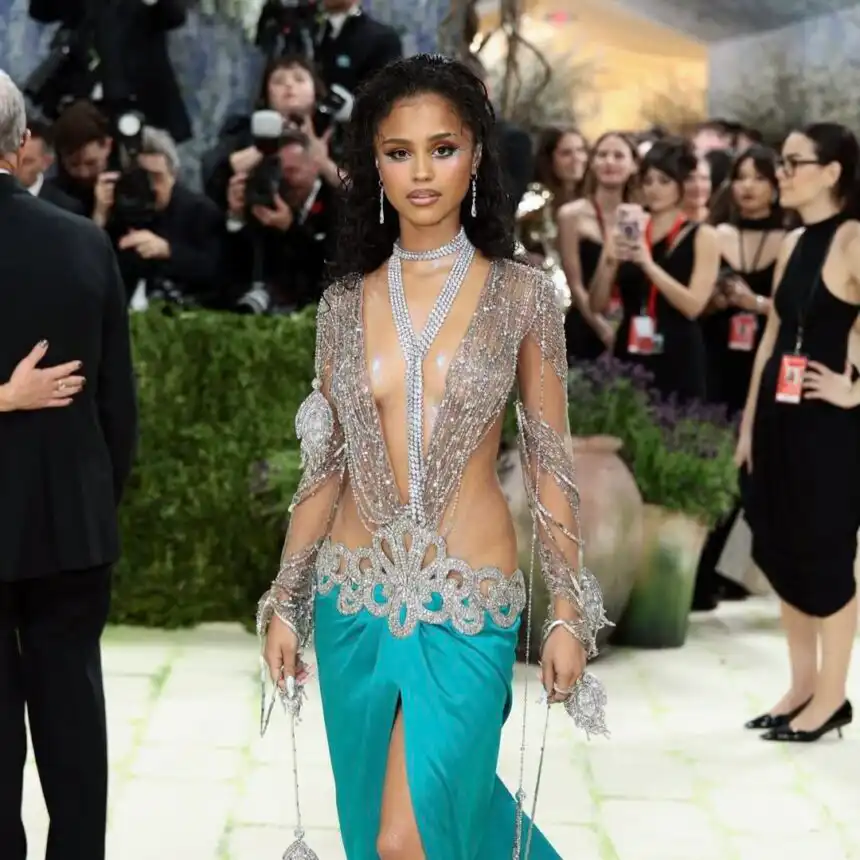 What might have faded as a fleeting red carpet moment quickly escalated.
Days later, Rihanna shared a video that featured Ayra Starr’s track Who’s Dat Girl as background audio. That creative choice became the spark that reignited tensions, with fans interpreting it as a subtle message and, for some, an indirect comparison.
The reaction online was immediate and polarised.
Some users framed the move as intentional, suggesting it signaled preference or endorsement. Others dismissed that reading entirely, arguing that using a trending song does not automatically imply deeper meaning.
Still, the discourse quickly took on a familiar shape, one driven less by the artists themselves and more by their audiences.
Supporters of both singers flooded timelines with competing narratives, memes, and commentary, turning a routine post into a cross-border cultural debate.
The rivalry, often fueled by comparisons around streaming numbers, awards, and global reach, found new momentum in a moment that may not have been designed to carry such weight.
Yet, both artists have consistently rejected the idea of any personal conflict.
Tyla addressed the Met Gala interaction directly, explaining that she chose not to approach Rihanna because the global star appeared busy at the time. She described the situation as a matter of timing rather than tension.
“Everyone knows I love RiRi,” she said, recalling that even during a previous meeting, Rihanna had briefly stepped away to answer a call from A$AP Rocky.
Ayra Starr has also spoken against the narrative, previously describing Tyla as a friend and pushing back on attempts to frame their careers as a competition.
“Tyla is my homegirl, that’s my G,” she said in an earlier interview, emphasizing her discomfort with constant comparisons between women in music.
Despite these clarifications, the cycle continues.
Fan culture, particularly within fast-growing global genres like Afrobeats and Amapiano, often amplifies perceived rivalries, sometimes overshadowing the artists’ own perspectives. In this case, a brief red-carpet interaction and a song choice were enough to trigger a broader conversation about influence, recognition, and status.
At its core, the moment says more about audience dynamics than artist relationships.
Rihanna’s post may have been a simple creative decision, but in today’s digital landscape, even the smallest details can be interpreted, reframed, and amplified into something much larger.
For now, the artists remain aligned in their message; there is no feud.
But as long as fan bases keep reading between the lines, moments like this will keep resurfacing, turning everyday interactions into headline-making narratives.