
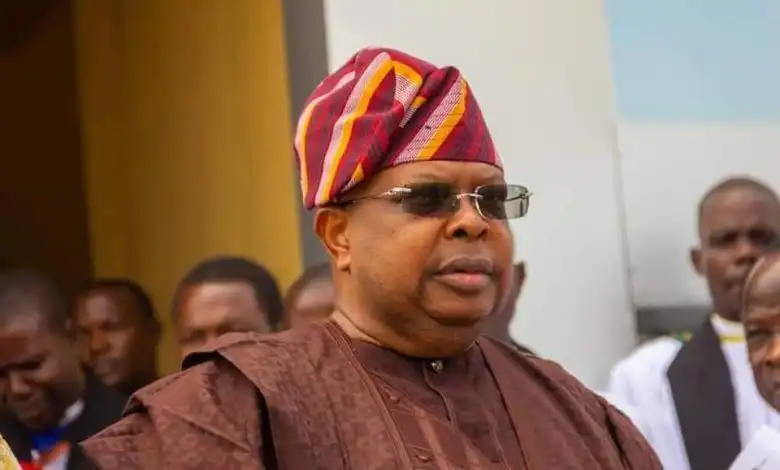
Nigeria’s electricity crisis has been handed a bold deadline, as newly confirmed Minister of Power Olasunkanmi Tegbe declared that tangible improvements in the country’s unstable grid must be visible within three months.
Speaking during his screening at the National Assembly in Abuja, Tegbe set an aggressive tone for his tenure, promising swift intervention in a sector long defined by frequent national grid collapses and inconsistent power supply.
“If there are no results in three months, there will be none in six,” he told lawmakers, positioning his first 100 days in office as a critical window for delivering measurable change.
The statement reflects both urgency and pressure.
Nigeria’s electricity sector has struggled for years with systemic issues, including weak transmission infrastructure, gas supply shortages, and persistent vandalism. These challenges have repeatedly triggered nationwide outages, disrupting businesses, households, and the broader economy.
Tegbe acknowledged the depth of the problem but framed it as solvable.
According to him, the recurring grid failures are not isolated incidents but symptoms of broader structural inefficiencies that require coordinated reform. His plan centers on stabilizing the national grid, improving transmission performance, and enforcing stricter technical standards across the power value chain.
One of the key elements of his approach is transparency.
The minister proposed introducing a public performance dashboard that would allow Nigerians to track progress in real time, a move aimed at building accountability in a sector often criticized for opacity.
Lawmakers, however, expressed caution.
During the screening, several senators questioned whether such a short timeline was realistic given the scale of the challenges. Issues such as aging infrastructure, funding gaps, and operational coordination have historically limited the pace of reform, raising doubts about how quickly meaningful change can be achieved.
Despite the skepticism, Tegbe remained firm.
He argued that decisive action, combined with better coordination among stakeholders, could deliver early wins that would restore confidence while laying the groundwork for longer-term transformation.
The significance of his pledge lies not just in the timeline, but in the expectations it creates.
For millions of Nigerians, electricity remains one of the most visible indicators of governance performance. Reliable power affects everything from small businesses and manufacturing to healthcare, education, and daily living conditions.
A three-month benchmark, therefore, is more than a policy target; it is a public test of credibility.
If progress is achieved within that window, it could signal a turning point for a sector that has struggled to deliver consistent results. If not, it risks reinforcing long-standing skepticism about reform promises in the power industry.
As Tegbe steps into office, attention will now shift from promises to execution. The coming weeks will reveal whether his results driven approach can translate into measurable improvements in grid stability.
For now, the message is clear: the clock has started, and expectations are high.