

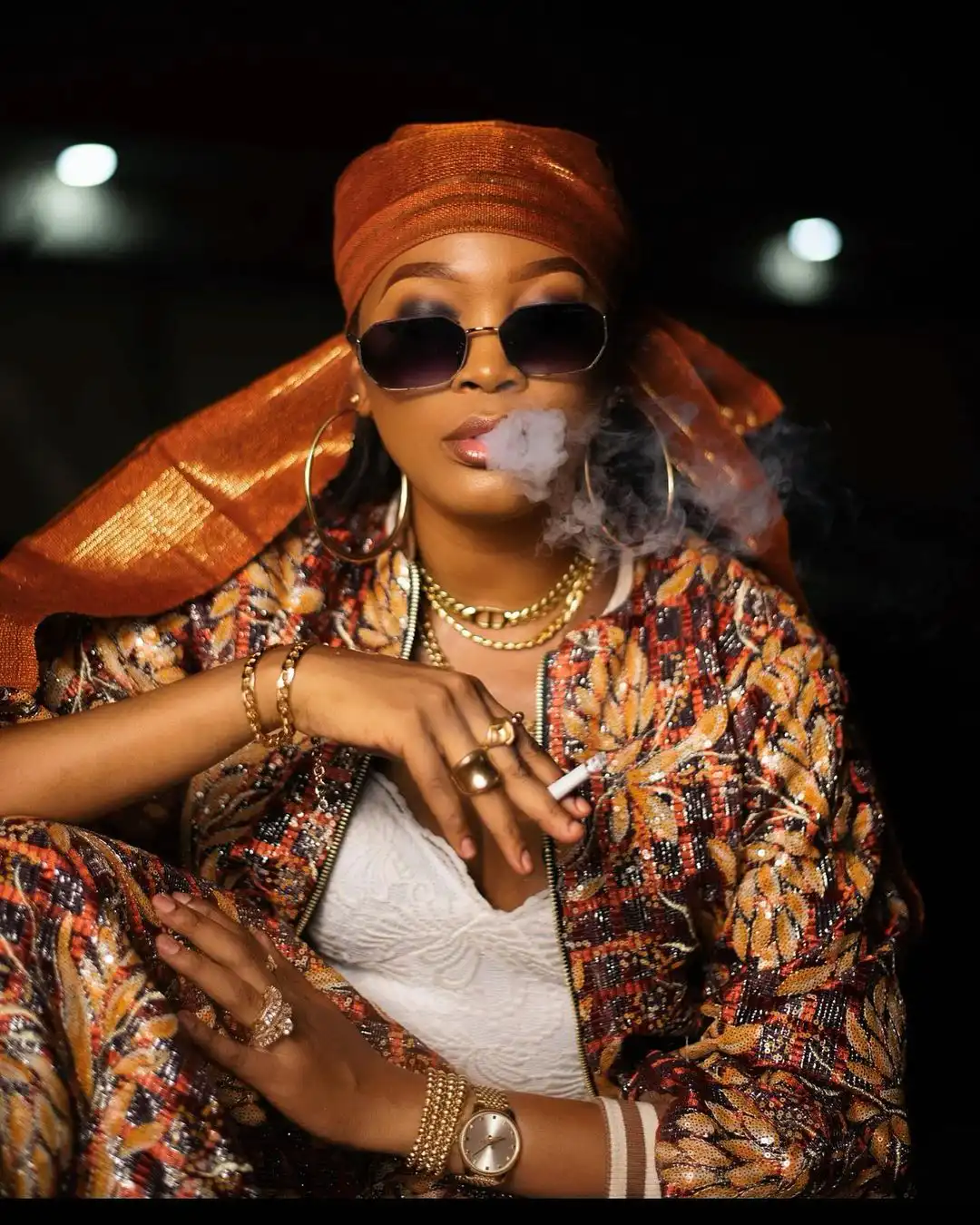
Popular Nigerian content creator and actress Kiekie has revealed why she deliberately steers clear of collaborating with certain skit makers, saying the decision isn’t rooted in personal dislike but in protecting the brand she has spent years building.
The comedian made the revelation during a recent interview when she was asked if there were any category of skit maker she would never work with. Without hesitation, Kiekie said creators whose content she considers overly vulgar are off her collaboration list.
“I would never collaborate with any skit maker that is too vulgar. I will not be able to collaborate with them.”
When pressed to mention specific names, Kiekie declined, explaining that while she has come across several creators whose content doesn’t align with hers, she wasn’t referring to any individual in particular.
Elaborating on what she meant, she said:
“Let me think about it. Hmmm. I don’t have a name of one, but I have seen quite a number of them. So if you’re too much breasts, bumbum, not that I have a problem with it, but it’s just brand alignment.
“My inability to collaborate with you doesn’t mean that I look down on what you do or I don’t respect what you do or I don’t see your hard work. I recognize your hard work but we just don’t align. It will affect the way my own brands are approaching my own work.”
While her comments have sparked conversations online, Kiekie was careful to clarify that her stance should not be interpreted as an attack on fellow creators. According to her, every skit maker has the freedom to create the content they want. However, decisions about collaboration are ultimately influenced by professional compatibility.
For Kiekie, maintaining a consistent public image is a key part of her career. Over the years, she has built a reputation for clean, family-friendly comedy and lifestyle content.
This direction has also attracted partnerships with several brands. She believes collaborating with creators whose content doesn’t reflect those values could affect how companies and audiences perceive her work.
Her remarks also highlight the growing importance of personal branding in Nigeria’s digital entertainment industry. As more skit makers secure endorsement deals and ambassadorial roles, many creators are becoming increasingly selective about whom they feature in their content, choosing collaborations that complement rather than conflict with their image.
Rather than judging other creators, Kiekie insists her approach is simply about making business decisions that support her long-term career.
Her comments have since generated mixed reactions on social media, with some agreeing that content creators have every right to protect their brands. In contrast, others argue that creative collaborations should be more open regardless of individual content styles.
Regardless of where opinions fall, Kiekie’s message remains clear: respect for another creator’s work does not automatically mean they’re the right fit for a collaboration. For her, shared values and brand compatibility matter just as much as talent and popularity.