

Wellness has evolved far beyond basic supplementation. People are no longer satisfied with generic solutions or vague promises.
They want targeted results, especially when dealing with stubborn issues like inflammation, poor recovery, low energy, or disrupted sleep. If you’ve been exploring ways to optimise how your body functions, you’ve likely come across bioactive peptides.
At first glance, peptides can feel complex or overly scientific. But once you understand how they actually work, they start to make a lot more sense. More importantly, you begin to see why they’re becoming a key part of advanced wellness routines.
What Are Bioactive Peptides?
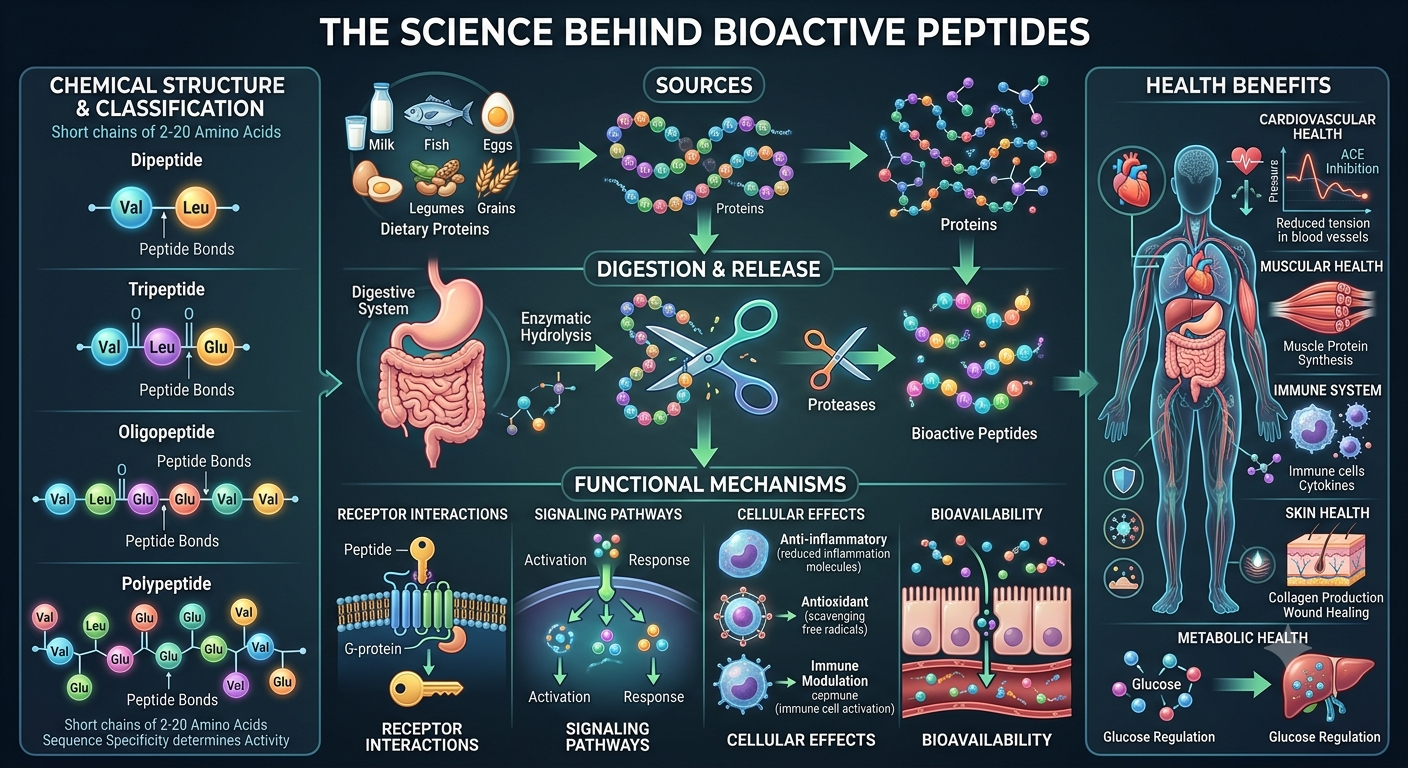
Peptides are short chains of amino acids, the same building blocks that make up proteins. Your body naturally produces them and uses them as signaling molecules. They help regulate essential processes like hormone production, immune response, tissue repair, and metabolism.
Bioactive peptides are a specific type of peptide that actively influence biological functions. Instead of just existing in the body, they interact with cells to trigger a response. Think of them as messengers that deliver precise instructions.
For example, one peptide might signal your body to produce more collagen. Another might tell your system to reduce inflammation or accelerate recovery. This targeted action is what sets bioactive peptides apart from traditional supplements.
How They Work at the Cellular Level
Your body relies on constant communication between cells. Every function, from healing a cut to regulating sleep, depends on signals being sent and received.
Bioactive peptides step into this communication system by binding to receptors on the surface of cells. Once they attach, they activate a chain reaction inside the cell. This process is often referred to as a signaling pathway.
The result depends on the peptide’s structure. A slight variation in amino acid sequence can completely change the signal being delivered. This is why peptides can be designed for very specific outcomes.
For wellness-focused users, this precision is a major advantage. Instead of taking something that broadly supports your health, you can focus on a particular issue and address it more directly.
Why Many Wellness Routines Fall Short
A common frustration in the wellness space is inconsistency. You try different supplements, adjust your routine, and maybe even see some improvement. But eventually, progress stalls.
This usually happens because most wellness products take a general approach. They support overall health but don’t target the root cause of specific problems.
Let’s say you’re dealing with slow recovery. You might take vitamins, improve your diet, and get more rest. These all help, but they don’t necessarily tell your body to repair tissue faster. That specific instruction is where bioactive peptides come in.
The same applies to other common pain points like:
- Lingering inflammation that never fully resolves
- Sleep that feels light or inconsistent
- Skin that doesn’t respond to topical products
- Energy levels that fluctuate throughout the day
These issues often require more than general support. They require targeted signaling.
The Link Between Structure and Function
One of the most fascinating aspects of bioactive peptides is how their structure determines their function.
Each peptide is made up of a sequence of amino acids. The order of those amino acids influences how the peptide folds and how it interacts with receptors. This interaction determines what signal is sent and what response is triggered.
Because of this, scientists can design peptides with very specific goals in mind. Whether it’s supporting muscle recovery, improving skin elasticity, or regulating immune responses, the outcome is closely tied to the peptide’s structure.
This level of control is what makes peptides such a powerful tool in both research and advanced wellness strategies.
Bioactive Peptides and Inflammation
Inflammation is one of the most common challenges people face. It can show up as joint discomfort, muscle soreness, skin issues, or general fatigue.
Many wellness products aim to reduce inflammation, but they often do so indirectly. Bioactive peptides can take a more targeted approach.
Some peptides interact directly with immune cells, helping regulate how the body responds to inflammation. Others support tissue repair, which addresses the underlying cause rather than just the symptoms.
This combination of regulation and repair is particularly useful for people dealing with chronic or recurring issues.
Recovery and Regeneration
Recovery is another area where bioactive peptides stand out.
Your body is constantly repairing itself, but factors like stress, poor sleep, and aging can slow that process down. When recovery is compromised, it affects everything from physical performance to overall well-being.
Bioactive peptides can help by signaling the body to enhance its natural repair mechanisms. This may involve supporting muscle recovery, promoting collagen production, or improving cellular regeneration.
For people who feel like their body isn’t bouncing back the way it used to, this kind of targeted support can make a noticeable difference over time.
Quality and Purity Matter
Not all peptides are created equal. The effectiveness of a peptide depends heavily on how it’s synthesized and handled.
High-quality peptides are produced using advanced techniques that ensure purity and consistency. This includes methods like solid-phase synthesis and precise purification processes.
Lower-quality products may contain impurities or inconsistencies that reduce effectiveness. In some cases, they may not deliver the intended signal at all.
This is why sourcing is critical. Working with trusted providers that prioritize rigorous standards can significantly impact your results.
Integrating Bioactive Peptides Into a Wellness Routine
If you’re considering adding bioactive peptides to your routine, the key is to be intentional.
Start by identifying your primary goal. Are you looking to improve recovery, support skin health, enhance sleep, or reduce inflammation? Once you’re clear on that, you can explore peptides that align with your objective.
It’s also important to be patient. Unlike some wellness products that provide immediate effects, peptides work by influencing biological processes. This means results often develop gradually.
Consistency plays a big role. Giving your body time to respond allows the signaling pathways to take effect and produce meaningful changes.
A Shift Toward Precision Wellness
The growing interest in bioactive peptides reflects a larger shift in how people approach health.
Instead of relying on one-size-fits-all solutions, more individuals are seeking targeted strategies that align with their specific needs. This approach is often referred to as precision wellness.
Bioactive peptides fit naturally into this model. They offer a way to work with your body’s existing systems rather than against them. By supporting natural signaling processes, they help create a more efficient and personalized approach to health.
For wellness-oriented users who feel like they’ve hit a plateau, understanding the science behind bioactive peptides can open up new possibilities. It’s not about replacing everything you’re already doing. It’s about refining your strategy and making it more effective.
FAQ: Bioactive Peptides
- What makes bioactive peptides different from regular supplements?
Bioactive peptides actively signal cells to perform specific functions, while most supplements provide general nutritional support without directly triggering targeted biological responses. - Are bioactive peptides safe to use?
When sourced from reputable providers and used appropriately, bioactive peptides are generally well-tolerated because they mimic naturally occurring compounds in the body. - How long does it take to see results from bioactive peptides?
Results vary depending on the peptide and your goal, but many people begin noticing changes within a few weeks, with more significant improvements over consistent use. - Can bioactive peptides help with aging and skin health?
Certain peptides are designed to support collagen production and skin repair, which can contribute to improved elasticity and a more youthful appearance over time. - Why is purity important when choosing peptides?
High purity ensures that the peptide performs as intended without interference from contaminants, which directly affects both effectiveness and reliability.