
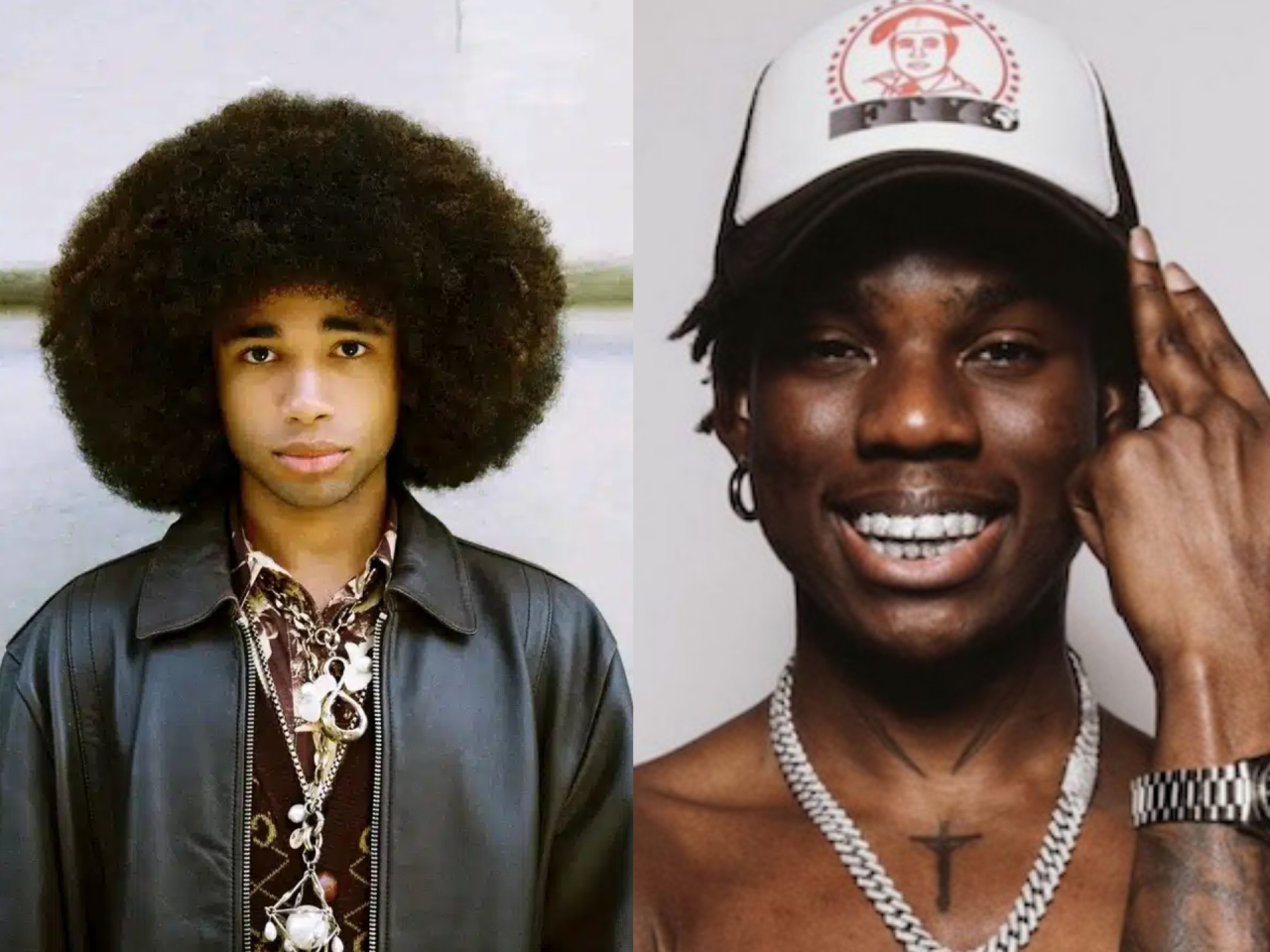
A recent discussion between popular TikTokers Noel Robinson and Peller has sparked conversation around the recognition of content creators, after Robinson revealed he received neither acknowledgment nor compensation from Nigerian music star Rema, despite helping boost the global popularity of the hit song “Calm Down.”
During a candid live session, Robinson expressed frustration over being overlooked, saying his viral dance to Calm Down played a part in the song’s global success — yet Rema has never reached out.
“I was dancing to Calm Down, but Rema didn’t talk to me. He never did. I texted him, and he didn’t reply,” Robinson said.
Robinson’s remarks come amid growing debates on how artists benefit from TikTok virality without necessarily crediting or rewarding the creators who help propel their songs into global trends.
In response, Peller tried to reassure Robinson that Rema may eventually reach out, suggesting the artist might not be fully aware of his contribution.
However, Robinson’s disappointment reflects a broader issue many content creators face — playing key roles in viral success stories without being recognized or compensated.
“Calm Down” and Its Global Impact
Calm Down, originally released in 2022 and later remixed with Selena Gomez, became a global chart-topper, dominating platforms like TikTok, YouTube, and Spotify, and helping Rema gain massive international recognition.
While music virality often thrives on organic content creation, Robinson’s comments have reignited conversations about fair credit and creator rights in the music and social media industries.
Rema has not responded publicly to the allegations as of the time of writing.