
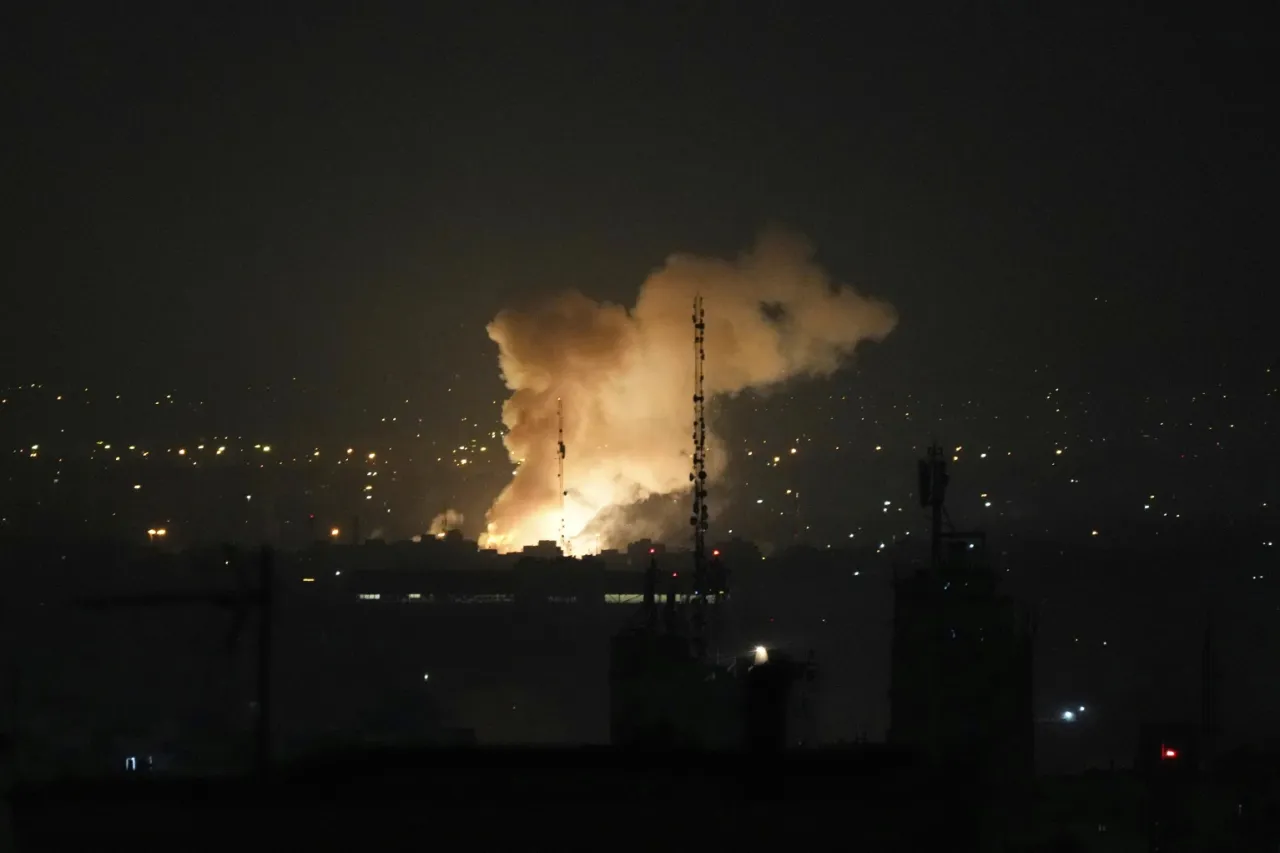
In a dramatic escalation of regional tensions, Israel launched a large-scale airstrike on Iran early Friday, targeting critical nuclear and military infrastructure across the country.
The coordinated operation—reportedly codenamed “Rising Lion”—involved over 200 fighter jets and missile systems, striking nearly 100 strategic locations, including the highly sensitive Natanz uranium enrichment facility, missile development centers, and military command bases.
Among the reported high-profile casualties were:
-
Hossein Salami, Commander of Iran’s Revolutionary Guard Corps (IRGC)
-
Fereydoun Abbasi-Davani, Top Iranian nuclear scientist
-
Mohammad Mehdi Tehranchi, Senior nuclear physicist and academic leader
Israeli military officials described the assault as a preemptive strike intended to neutralize what they termed an “imminent threat” from Iran’s rapidly advancing nuclear program.
Iran Vows Retaliation as Regional Tensions Soar
In the immediate aftermath, Iranian authorities vowed severe retaliation, raising fears of a potential broader conflict engulfing the Middle East. As a precaution, airspaces over Iran, Israel, and neighboring countries have been closed, with both sides reportedly on high alert for further military action.
The United States government confirmed it had been informed prior to the strike but emphasized that it did not participate in the operation. Washington has also issued a stern warning to Tehran against targeting American interests in the region.
Global markets, diplomatic channels, and military observers are bracing for possible aftershocks as the situation develops.