

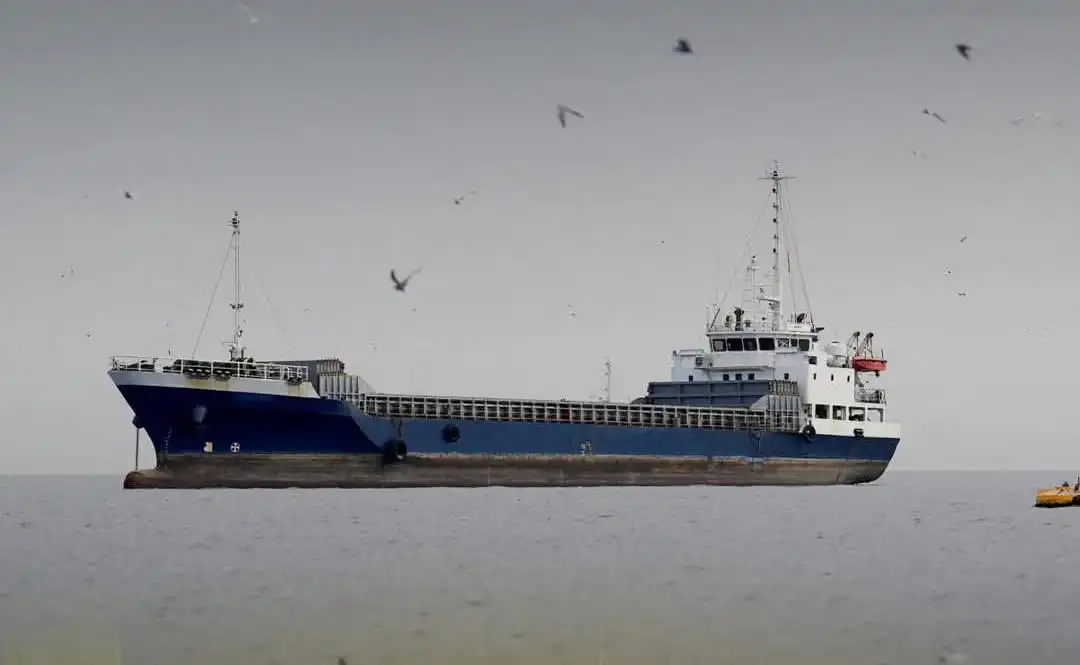
Iranian state media has reported that the Strait of Hormuz has been placed under what it described as strict military control, effectively restricting passage through one of the world’s most sensitive oil shipping routes.
According to Iran’s state broadcaster IRIB, vessel movement through the strategic waterway now requires Iranian approval before entry or exit, with authorities describing the situation as a return to “strict oversight” conditions.
The development is said to follow a brief easing of tensions after a 10 day ceasefire between Israel and Lebanon, which had initially raised hopes of improved stability in regional shipping lanes.
In a statement attributed to Iran’s joint military command, officials accused the United States of failing to lift restrictions on Iranian maritime operations, saying earlier understandings were not honoured.
Iran claimed it had previously agreed in negotiations to allow limited passage for oil tankers and commercial vessels in what it called good faith, but said Washington’s actions amounted to continued pressure on its shipping activities.
The statement further added that control of the waterway had now “returned to its previous state,” with the armed forces maintaining strict monitoring of all movement through the strait.
The Strait of Hormuz remains one of the most critical global energy corridors, with a large share of the world’s oil shipments passing through it daily. Any disruption in the area typically triggers immediate concerns over global supply stability and oil prices.
Iran has warned that the current restrictions will remain in place unless it receives what it describes as full guarantees of free navigation for its vessels in both directions.
The situation is likely to keep energy markets and global shipping watchers on alert as developments continue to unfold.