


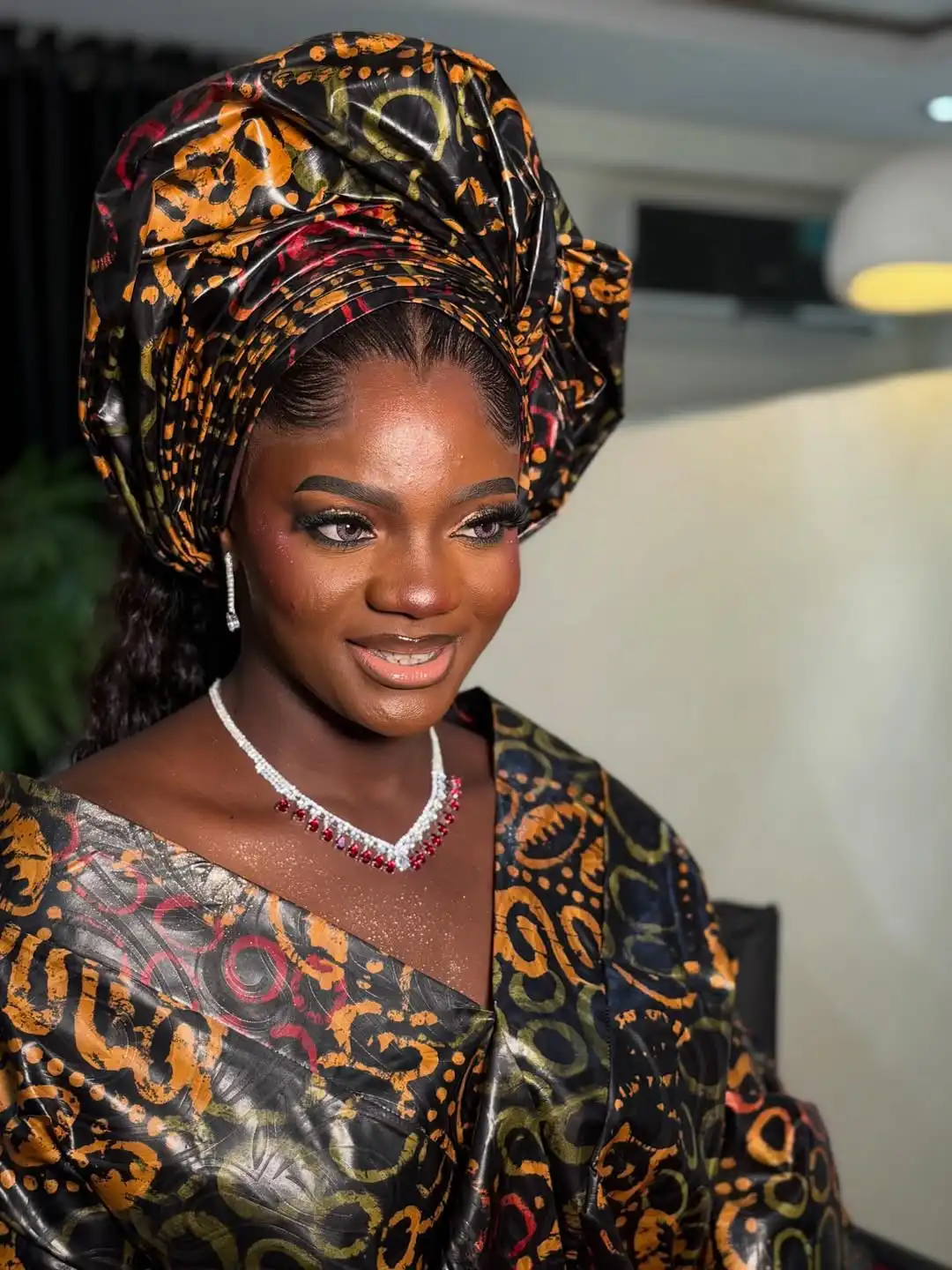
Nigerian TikTok personality Cindy of Oshodi has publicly addressed the circulation of a leaked private video, offering an emotional apology to her supporters as the controversy continues to generate intense reactions online.
The situation escalated after a 13-minute clip, reportedly recorded years ago, surfaced online and began spreading across various platforms.
The video, featuring the content creator alongside an unidentified man, quickly drew attention and sparked widespread debate, not just about her actions but also about the broader culture surrounding social media fame.
In response, Cindy took to her TikTok page to share her side of the story, choosing transparency over silence. According to her, the video dates back to between 2019 and 2020, a period she described as one marked by financial hardship and limited awareness.
“Initially, I would not even say anything about this whole thing, but for the people who still genuinely love me no matter what, despite everything, I am making this for you,” she said in the video. “So, first of all, I am really sorry for disappointing you.”
Her statement struck a reflective tone, as she acknowledged responsibility while also pointing to the circumstances surrounding the recording. She admitted regret over the situation, emphasizing that the decisions made at the time do not reflect who she is today.
“I take full responsibility, and I fully regret it,” she added, while also expressing frustration at the lack of understanding from some critics. Referencing her past financial struggles, she suggested that many judging her now may not fully grasp the pressures she faced at the time.
The incident has once again brought attention to the recurring issue of private content leaks involving digital creators. In recent years, similar situations have become increasingly common, raising serious concerns around privacy, consent, and the permanence of digital footprints.
Beyond Cindy’s personal case, the reaction online has exposed a divide in public opinion. While some users have criticised her and linked such controversies to the pursuit of fame or financial gain, others have taken a more empathetic stance, highlighting the need to separate past mistakes from present identity.
The conversation also touches on a broader reality in the influencer economy, where individuals often navigate visibility, vulnerability, and personal boundaries in a space that can quickly become unforgiving. Once content is exposed online, regardless of how or why it surfaces, the consequences can be difficult to control.
Cindy’s situation comes shortly after a similar controversy involving Eniola Sisi Alagbo, further fueling discussions about how such incidents are handled and the speed at which public judgment is passed.
What makes these cases particularly complex is the intersection between personal accountability and digital ethics. While individuals may take responsibility for past actions, questions remain about the role of those who distribute or amplify private content without consent.
For Cindy, the immediate focus appears to be on reconnecting with her core audience and acknowledging supporters’ disappointment. Her apology, though unlikely to silence all criticism, signals an attempt to move forward while owning her past.
As the conversation continues, her story adds to an ongoing debate about privacy, growth, and the long-term impact of decisions made in moments that resurface years later in an unforgiving digital landscape.