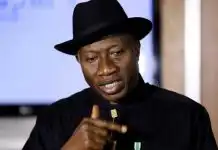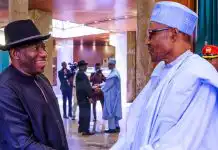

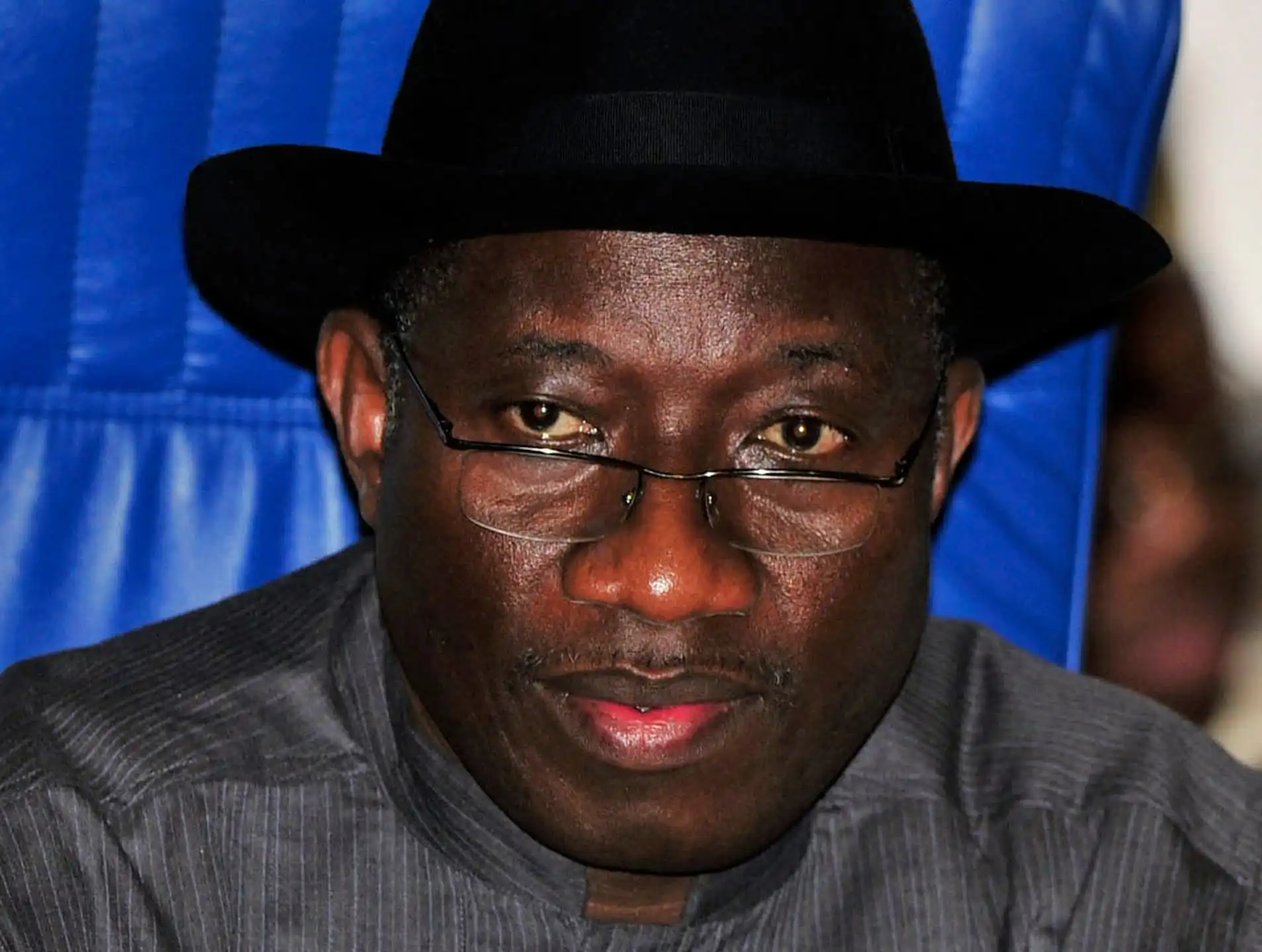
A major legal hurdle surrounding the political future of former Nigerian President Goodluck Jonathan has been cleared after a Federal High Court in Abuja ruled that he remains constitutionally eligible to contest the 2027 presidential election.
The judgment, delivered on Tuesday by Justice Peter Lifu, dismissed a suit seeking to stop Jonathan from participating in the next presidential race and described the case as an abuse of court process.
The lawsuit had been filed by Johnmary Jideobi, who asked the court to restrain Jonathan from presenting himself as a candidate under any political party ahead of the 2027 elections.
Jideobi also requested an order preventing the Independent National Electoral Commission from accepting, processing, or publishing Jonathan’s name as a presidential candidate if he eventually decides to run.
According to the plaintiff, provisions of the 1999 Constitution allegedly disqualified Jonathan from seeking the presidency again because of the period he already spent in office.
The legal challenge emerged amid growing political speculation about Jonathan’s possible return to active presidential politics.
Recently, a faction of the Peoples Democratic Party, reportedly led by Kabiru Tanimu Turaki, granted Jonathan a waiver, fueling speculation that the former president could emerge as a major contender ahead of the 2027 elections.
However, in his ruling, Justice Lifu held that previous court decisions had already settled the matter of Jonathan’s eligibility.
The judge referenced earlier judgments of both the Federal High Court in Yenagoa and the Court of Appeal, which affirmed that the former president remains qualified to contest future presidential elections under Nigerian law.
Beyond dismissing the suit, the court also ruled that the plaintiff lacked the legal standing to bring the matter before it.
According to Justice Lifu, Jideobi failed to demonstrate how Jonathan’s potential political ambition caused him any personal injury or legal harm.
The court subsequently imposed financial penalties against the plaintiff.
Justice Lifu awarded N20 million in favour of Jonathan and an additional N1 million in favour of the Attorney-General of the Federation.
The ruling is expected to intensify political conversations ahead of the 2027 general election, especially within opposition circles where discussions around possible alliances and candidate selections have already begun quietly gaining momentum.
Jonathan, who served as Nigeria’s president between 2010 and 2015, has remained one of the country’s most closely watched political figures despite largely maintaining a statesman role since leaving office.
Over the years, there have repeatedly been calls from various political groups and supporters urging him to return to frontline politics, particularly during periods of national political tension.
Although the former president has not formally declared any intention to contest the 2027 election, the latest court judgment removes a significant constitutional question that has long surrounded his potential eligibility.
Political analysts believe the decision could further reshape calculations within both the ruling and opposition parties as preparations for the next election cycle gradually begin taking shape.
For now, the ruling stands as a major legal victory for Jonathan. It may reignite fresh debate over whether the former president could eventually stage one of the biggest political comebacks in Nigeria’s recent democratic history.