


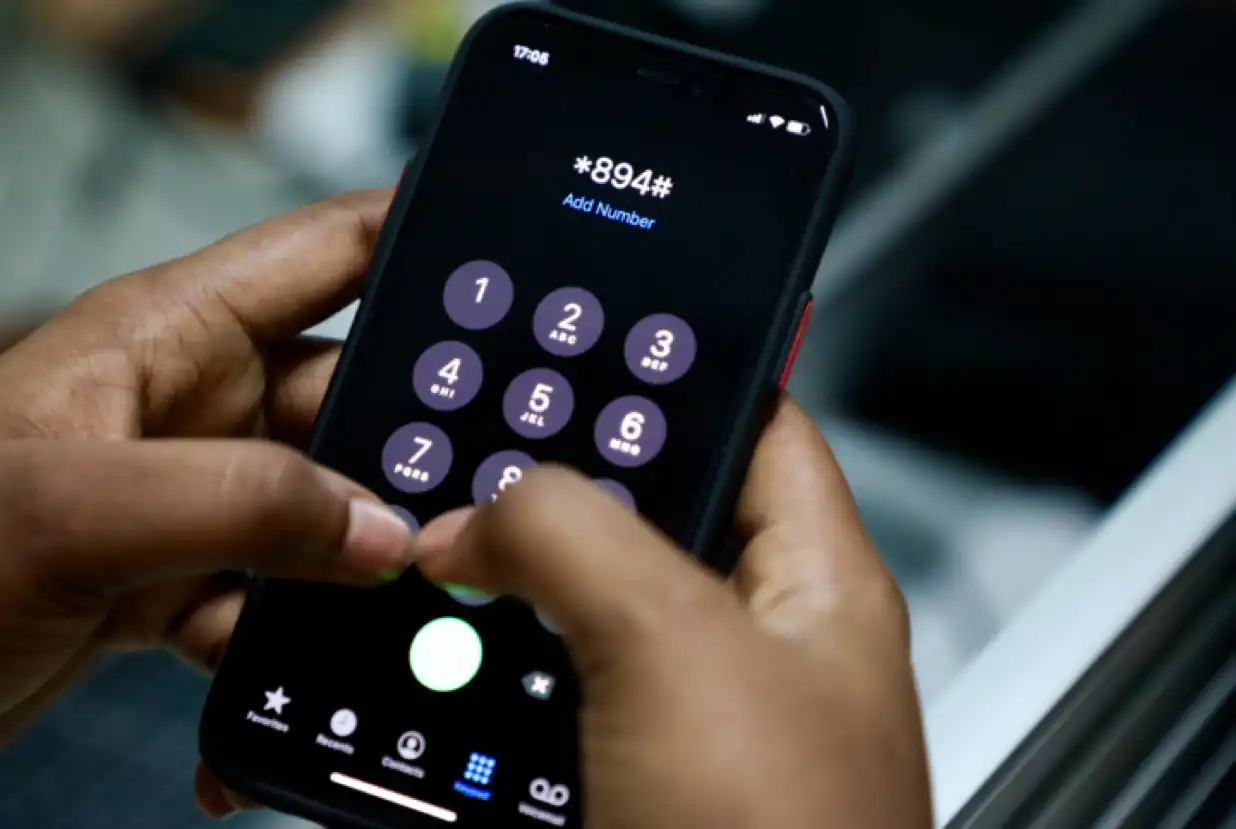
The Federal Government of Nigeria, through the Nigerian Communications Commission (NCC), has issued a directive to all banks across the country to stop deducting USSD (Unstructured Supplementary Service Data) charges directly from customers’ bank accounts.
Starting Tuesday, June 3, 2025, USSD charges will now be deducted from users’ mobile airtime, not their account balances.
This move aligns with the NCC’s End-User Billing model, which aims to resolve the longstanding disputes between banks and telecommunications companies over unpaid USSD debts.
New Billing Process
According to a message sent by United Bank for Africa (UBA) to its customers, the updated billing structure stipulates that:
-
Each USSD session will now cost ₦6.98 per 120 seconds
-
Charges will be deducted from the user’s mobile airtime and not from their bank account
-
Users will receive a prompt asking for permission before any airtime is charged
-
Airtime will only be deducted if the user accepts and the bank successfully processes the request
Customers who prefer not to incur these new airtime-based charges can opt out by choosing to use alternative banking platforms such as mobile apps or internet banking, which do not rely on USSD services.
Background on USSD Debt Crisis
The NCC’s directive follows prolonged disputes between Nigerian banks and telecom operators regarding unpaid USSD fees. By the end of 2024, banks were reported to owe telecoms over ₦250 billion in outstanding payments.
In January 2025, the NCC authorized telecom operators to suspend USSD services to banks that failed to settle their debts. MTN Nigeria later confirmed it had received ₦32 billion from banks—part of the ₦72 billion it was owed.
Industry Implications
This development is expected to bring more transparency to the billing process, shifting the financial burden to the end-user and reducing friction between banks and telecom providers. It also reinforces the NCC’s effort to safeguard consumer interests while ensuring telcos receive due compensation for services rendered.
As this new policy rolls out, customers are encouraged to monitor their airtime balances and consider switching to internet-based banking for more cost-effective transactions.