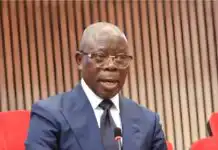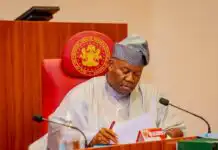


Senate President Godswill Akpabio has filed an appeal at the Court of Appeal in Abuja, challenging the Federal High Court ruling that ordered the recall of Senator Natasha Akpoti-Uduaghan to the Senate following her suspension.
The notice of appeal, dated July 14, 2025, seeks to overturn the July 4 judgment by Justice Binta Nyako, which described Akpoti-Uduaghan’s six-month suspension as “excessive” and lacking legal justification.
Grounds of Appeal
In the appeal, marked CA/A//2025, Akpabio’s legal team raises 11 grounds, arguing that:
-
The Federal High Court lacks jurisdiction over the internal affairs of the National Assembly, citing Section 251 of the 1999 Constitution.
-
Parliamentary procedures—including suspensions and plenary debates—are protected under the Legislative Houses (Powers and Privileges) Act and are not subject to judicial interference.
-
Akpoti-Uduaghan failed to exhaust internal remedies, such as approaching the Senate Committee on Ethics, Privileges and Public Petitions, as required by the Senate Standing Orders, 2023.
-
The trial court breached his right to fair hearing by raising issues not argued by either party, particularly the claim that the suspension was “excessive.”
-
The court erred in merging interlocutory applications with the substantive suit, and in failing to uphold the requirement of a three-month notice to the Clerk of the National Assembly under Section 21 of the Legislative Houses Act.
Reliefs Sought
Akpabio is urging the appellate court to:
-
Set aside the Federal High Court judgment.
-
Dismiss Akpoti-Uduaghan’s suit for lack of jurisdiction and procedural irregularities.
-
Strike out duplicated reliefs in her applications.
-
Reject the High Court’s advisory directives on parliamentary rule changes or member recall.
-
Invoke Section 15 of the Court of Appeal Act to rule on his preliminary objection and resolve the matter without further trial.
Background
Senator Natasha Akpoti-Uduaghan, representing Kogi Central, was suspended earlier in 2025 following a controversial plenary session. She challenged her suspension, and the Federal High Court ruled in her favor, describing the Senate’s actions as unconstitutional.
This case now raises constitutional questions about judicial oversight over legislative conduct and could set a precedent for future disputes involving lawmakers and parliamentary privileges.