

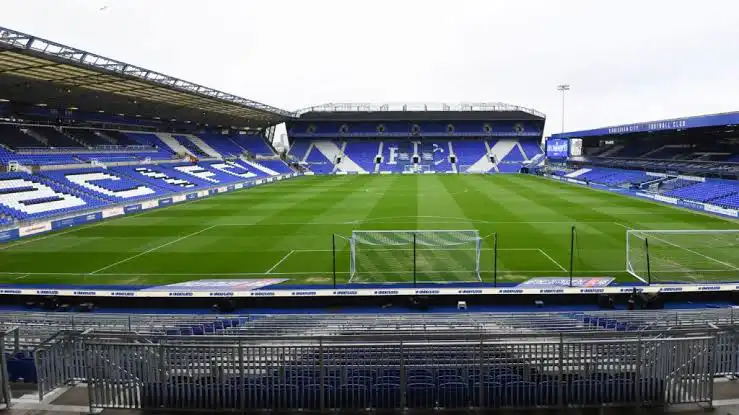
Birmingham City Football Club has revealed bold plans to build a state-of-the-art, 60,000-capacity stadium, with a £3 billion price tag and futuristic features including a retractable pitch, marking a significant step toward their long-term ambition of returning to the Premier League.
Unveiled as part of the club’s annual review, the project includes a broader vision to create a “sports quarter” in the city, aiming to transform Birmingham into a hub for sports, culture, entertainment, retail, and education.
The new stadium, inspired by Tottenham Hotspur’s modern ground, is set to feature multi-use functionality, allowing it to host major non-sporting events such as concerts and exhibitions.
“A Sporting Coliseum”
Speaking on the ambitious proposal, club CEO Jeremy Dale said:
“The centrepiece of this £3billion project is a 60,000-seat multi-purpose stadium, the like of which will not have been seen before.
“The world’s leading architects are competing for the contract to design the stadium, which will include a retractable pitch, to allow non-sporting events like concerts to take place.
“The vision is that it will become an iconic ‘sporting coliseum’, respectful of local heritage, and provide an all-year location for sport, culture, leisure, entertainment, retail and education.”
Timeline and Vision
- Planning submission: 2026
- Construction start date: 2028
Dale confirmed that over 75 consultants are already working on the masterplan and business model, adding:
“We have been on this for a year… It is super exciting.”
Backed by Tom Brady
The project is also backed by NFL legend Tom Brady, who remains a minority owner of the club. His involvement has added global attention to Birmingham’s off-pitch transformation.
Transfer Ambitions
On the field, Birmingham continue preparations for the 2025/26 campaign, having already signed nine new players this summer, including the high-profile addition of former Celtic striker Kyogo Furuhashi.
The announcement signals Birmingham’s intent to reclaim top-flight status after 14 years outside the Premier League, while creating a legacy infrastructure to rival the biggest clubs in Europe.