
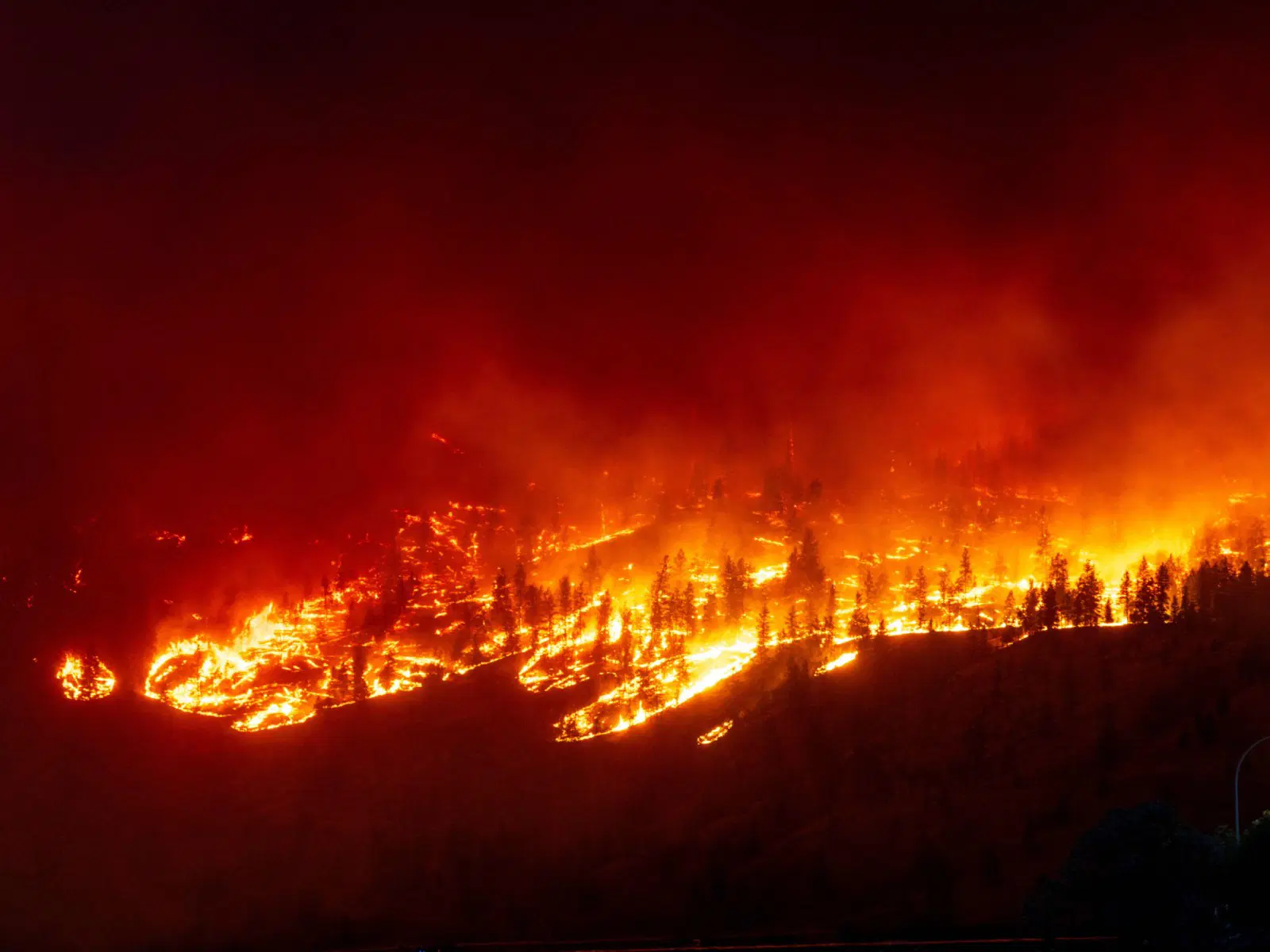
Canada is facing yet another devastating wildfire season, with more than 13.6 million acres (5.5 million hectares) of land already burned in 2025 — an area roughly the size of Croatia, officials announced on Friday. This marks one of the country’s most destructive fire seasons on record.
As of mid-July, over 3,000 wildfires have been recorded this year, with 561 currently burning, according to data from Canada’s national fire monitoring agency.
“This is one of the highest cumulative areas burned for this time of year, behind the record-setting fire season of 2023,” said Michael Norton, an official with Canada’s natural resources ministry.
In 2023, wildfires destroyed a staggering 42.9 million acres, the worst in the nation’s history and a wake-up call on the accelerating impacts of climate change.
While 2025’s wildfire activity is more in line with historical trends — unlike 2023’s unprecedented fire intensity that continued late into the season — officials caution that July and August are typically the most active fire months.
This year’s blazes have been especially severe in Manitoba and Saskatchewan, fueled by elevated temperatures and dry conditions during the spring.
Now, authorities are closely monitoring British Columbia and other western regions, where forecasts indicate conditions remain favorable for further fire outbreaks.
The fires have had a disproportionate impact on Indigenous communities, displacing at least 39,000 First Nation residents so far this year.
Canada is warming at twice the global average, scientists say — a trend linked to more intense and frequent wildfires. Rising temperatures are shortening winters, reducing snow cover, and ushering in earlier, drier summers — all of which create ideal conditions for wildfires to ignite and spread rapidly.
If current trends persist, 2025 could soon surpass 1995, which recorded 17.5 million acres burned, as the second most destructive wildfire season in Canada’s history.