
The Nigerian National Petroleum Company Limited (NNPC) may sell off some of its long-troubled refineries as part of a strategic overhaul, according to the Group Chief Executive Officer, Bayo Ojulari.
Speaking during an interview with Bloomberg at the 9th OPEC International Seminar in Vienna on Thursday, Ojulari revealed that the NNPC is in the midst of a comprehensive review of its refinery operations, which is expected to conclude before the end of 2025.
“So we’re reviewing all our refinery strategies now. We hope before the end of the year, we’ll be able to conclude that review,” Ojulari stated. When asked directly about the possibility of selling some of the state-owned facilities, he responded, “Sale is not out of the question. All the options are on the table.”
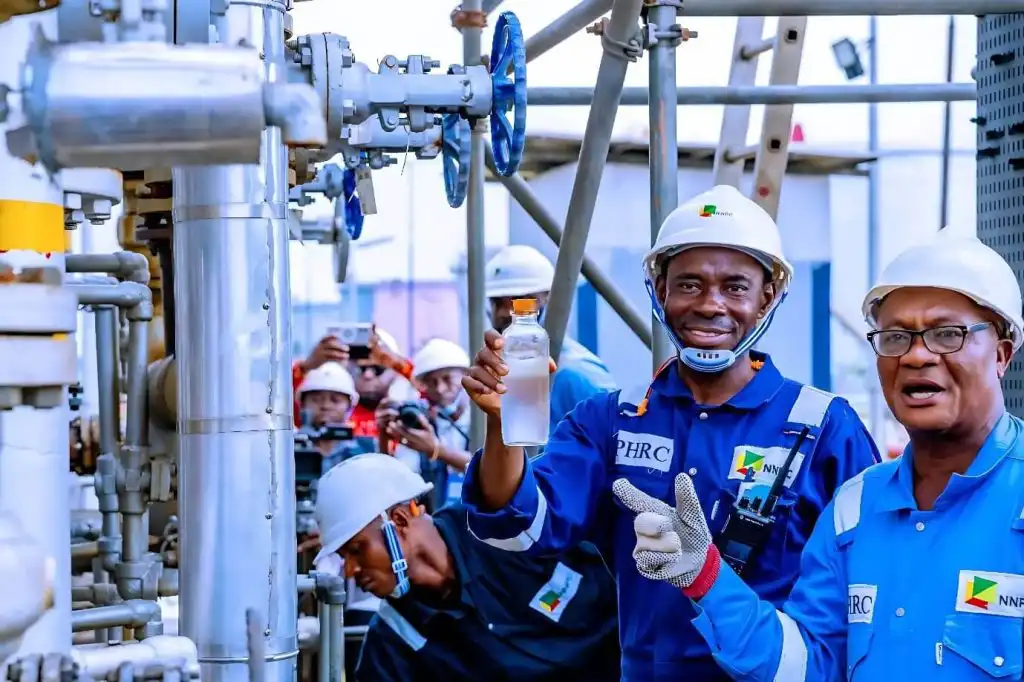
This revelation marks a significant shift for Nigeria, which has long invested in the rehabilitation of its Port Harcourt, Warri, and Kaduna refineries—despite limited success. Notably, the Port Harcourt plant, which briefly resumed operations in November 2023 after extensive repairs, was shut down again in May for maintenance.
Ojulari acknowledged that the rehabilitation process has been hampered by outdated infrastructure and underperforming technology. “Some of those technologies have not worked as we expected so far. Refining very old refineries that have been abandoned for some time is becoming a little bit more complicated,” he explained.
Beyond the refinery issues, Ojulari also addressed broader operational concerns in the oil sector. He revealed that Nigeria’s crude production currently faces high operating costs ranging from $25 to $30 per barrel. A significant portion of this expense, he said, is tied to investments made in pipeline security.
“We have 100 per cent availability of our pipelines today, but that came out of significant investment. With time and stability, we believe those costs will begin to decline,” he noted.
Despite the mounting challenges, Ojulari expressed cautious optimism, stating that the NNPC remains committed to increasing Nigeria’s oil output to 1.9 million barrels per day before the end of the year.