

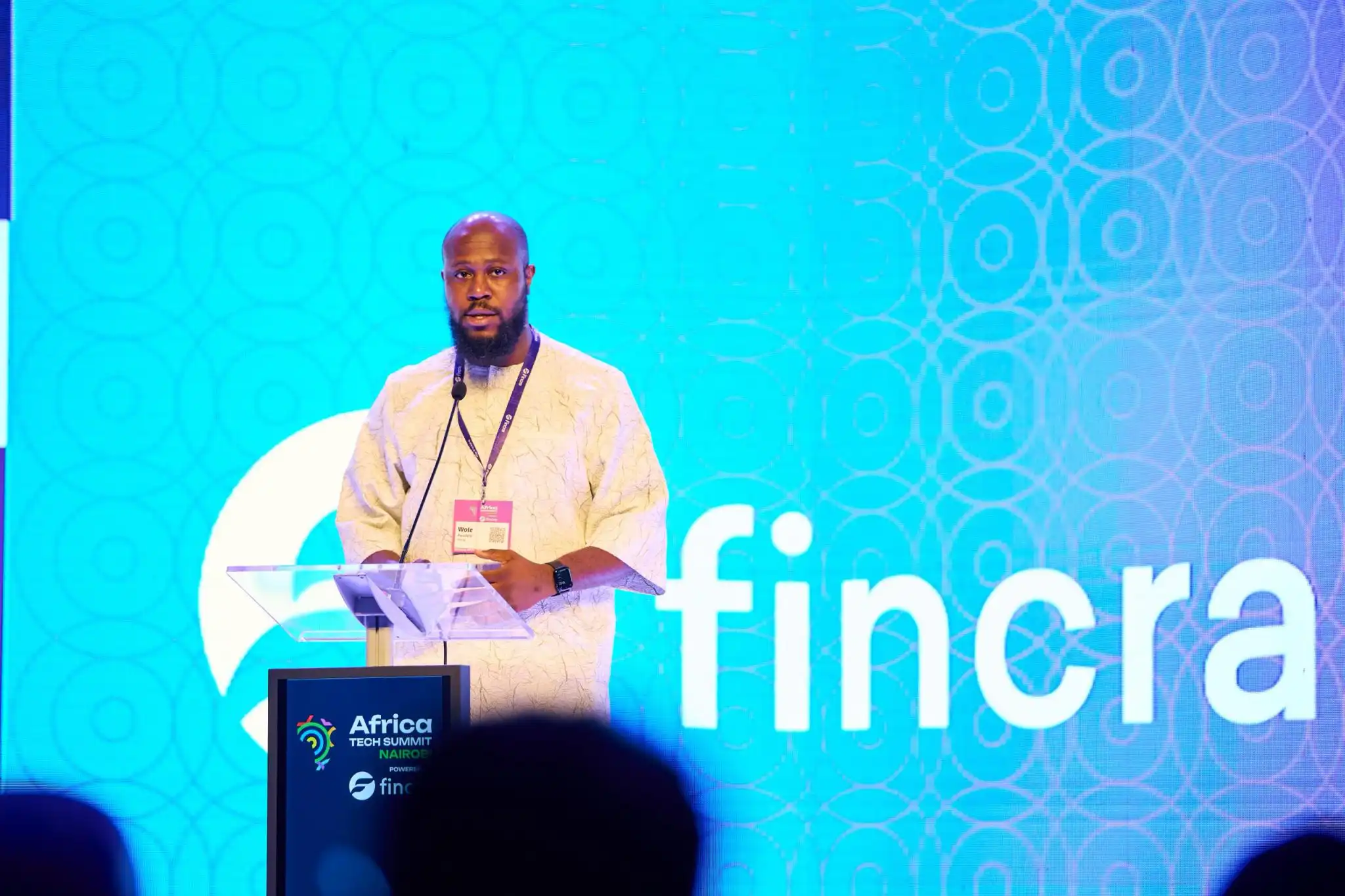
Fincra is accelerating its expansion across Africa after securing a Payment Service Provider license in the enhanced category from the Bank of Ghana, which gives it direct access to the country’s financial system.
The approval allows Fincra to process transactions locally in Ghana, collect payments in cedis, and facilitate inbound transfers without relying on intermediaries.
In practical terms, this means businesses using its platform can now operate within Ghana’s payment ecosystem more quickly and with fewer friction points.
The development comes just two months after the company obtained a similar licence in Canada, reinforcing a broader strategy focused on building regulated payment rails across key markets rather than simply expanding reach without infrastructure.
At the center of that strategy is CEO Wole Ayodele, who has consistently argued that the next phase of African fintech growth will be defined by systems that can move money efficiently at scale. Ghana, with its rapidly evolving digital economy, now serves as a critical test case for that thesis.
“Ghana’s digital economy is accelerating rapidly, but the infrastructure to support enterprise scale payment aggregation and inbound transfers is still too fragmented,” Ayodele said.
“Getting the green light from the Bank of Ghana means we can finally give our merchants a direct, high speed rail into this market.”
The timing is significant. Ghana’s mobile money ecosystem has grown into one of the most active in Africa, with transaction volumes reaching GH¢1.912 trillion in 2023.
At the same time, cross-border trade within the region continues to expand, with informal trade flows alone hitting GH¢7.4 billion in the fourth quarter of 2024, according to the Ghana Statistical Service.
Fincra’s entry into this environment is designed to bridge existing gaps.
With the new license, businesses can accept payments through local channels such as MTN MoMo, Telecel, AirtelTigo, and bank transfers.
At the same time, global platforms can send funds directly into Ghanaian accounts and mobile wallets. This reduces dependency on multiple intermediaries, a longstanding challenge in African cross-border payments.
The infrastructure also supports automated business-to-business transactions. Companies can create local collection accounts in cedis and automatically reconcile payments through a single API integration.
That level of consolidation is particularly valuable for enterprises operating across multiple African markets, where fragmented systems often increase cost and complexity.
Fincra’s move also reflects a broader competitive shift within the fintech space. Rather than focusing solely on user acquisition, leading players are increasingly prioritizing regulatory approvals and localized infrastructure.
The company now joins firms like Flutterwave and Paystack that have secured similar licenses in Ghana, intensifying competition around who can build the most efficient payment rails across the continent.
Founded in 2021 by Ayodele and Gideon Orovwiroro, Fincra already operates in more than 20 markets, connecting payment flows across Africa, Europe, and North America.
Its expansion strategy suggests a long-term bet on interoperability, enabling businesses to move money across borders with minimal friction, regardless of location.
The significance of this license goes beyond Ghana. It signals a maturing phase in African fintech, where regulatory compliance, infrastructure depth, and cross-border capability are becoming the defining metrics of success.
As more companies pursue similar pathways, the competitive edge will likely shift toward those that can combine scale with seamless integration, turning fragmented financial systems into connected networks.